
What's Happening?
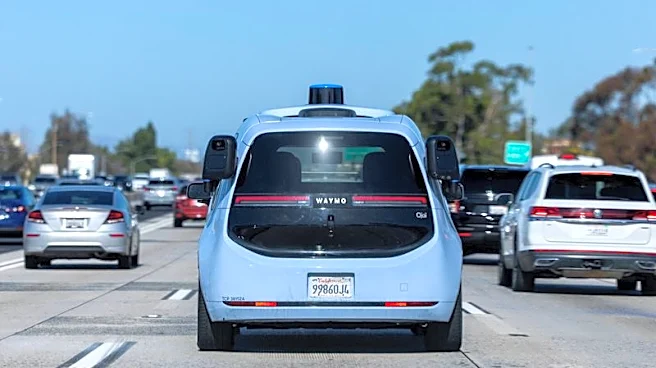
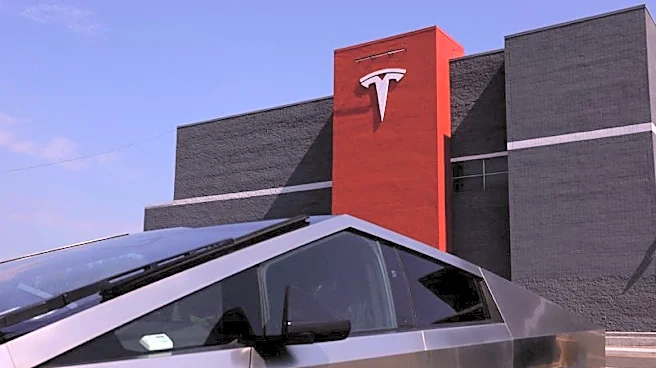
Tesla Robotaxi, LLC has officially surpassed Waymo in the number of registered autonomous vehicles in Texas. As of November 10, Tesla lists 1,302 registered vehicles, narrowly exceeding Waymo's 1,297.
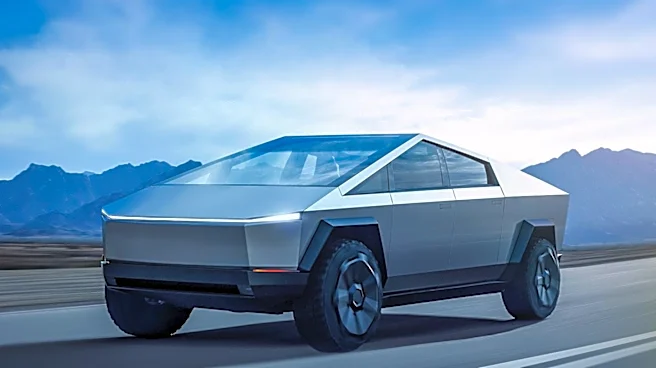
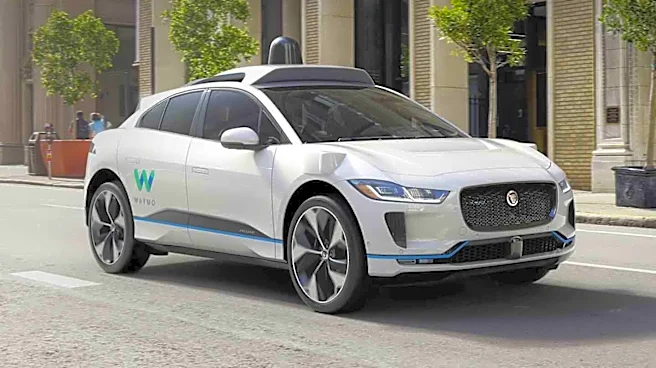
This milestone marks a significant expansion for Tesla, which had only 42 registered vehicles when the Texas Department of Motor Vehicles (TxDMV) registry became public in late May 2026. Tesla's fleet now comprises 729 Model Ys and 573 purpose-built Cybercab vehicles. In contrast, Waymo's fleet primarily consists of Jaguar I-PACE vehicles and Zeekr-based Ojai minivans. The TxDMV registry tracks the number of vehicles each company is permitted to operate, indicating capacity and regulatory positioning rather than active ride volume or specific service areas.
Why It's Important?
This shift in Texas autonomous vehicle registrations is important as it signals Tesla's aggressive expansion in the robotaxi sector and its growing authorized fleet capacity. While registration numbers do not directly equate to operational vehicles or ride volume, they reflect a company's readiness and regulatory approval to deploy a larger number of autonomous vehicles. Tesla's rapid increase in registrations, multiplying its fleet by over thirty times since May 2026, suggests a strategic push to dominate the autonomous ride-hailing market. This development could intensify competition in the burgeoning robotaxi industry, potentially leading to faster deployment of self-driving services and increased accessibility for consumers in Texas and beyond. The expansion also highlights Tesla's commitment to its Cybercab initiative, positioning it as a key player in the future of urban mobility.
What's Next?
Tesla is expected to continue leveraging its growing authorized fleet to expand its unsupervised robotaxi service beyond its initial Austin geofence, with plans to enter cities like San Antonio and Dallas. The company has also indicated broader deployment plans for its Cybercab vehicles, aiming to introduce them in new states and territories. The narrow margin between Tesla and Waymo's registered vehicles suggests that the lead could fluctuate with future registrations from either company. Stakeholders, including consumers, regulators, and competitors, will closely monitor the operational expansion and safety records of these autonomous fleets. The ongoing competition between Tesla and Waymo in Texas could serve as a bellwether for the wider U.S. autonomous vehicle market, influencing regulatory frameworks and technological advancements in the sector.
Beyond the Headlines
The rapid growth of Tesla's robotaxi fleet in Texas points to a broader trend of increasing investment and competition in autonomous vehicle technology. This development raises deeper questions about the future of transportation, urban planning, and employment in the ride-hailing industry. As autonomous vehicles become more prevalent, there will be significant implications for infrastructure development, insurance models, and public perception of self-driving technology. Ethical considerations regarding accident liability, data privacy, and the impact on human drivers will also become more pressing. The push for widespread robotaxi deployment could accelerate the transition away from private car ownership in urban centers, fundamentally altering how people commute and interact with transportation services. This technological shift could also spur innovation in related fields, such as artificial intelligence, sensor technology, and smart city solutions.