






What's Happening?
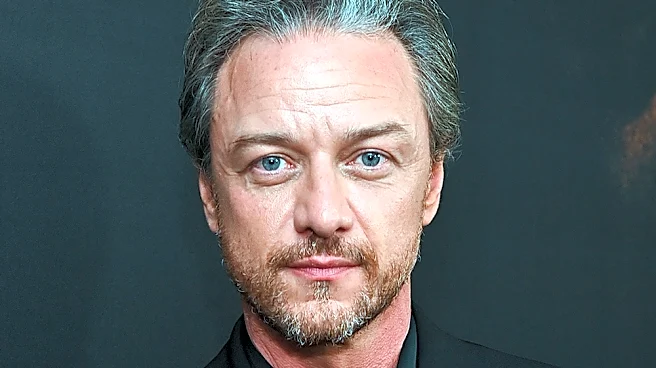
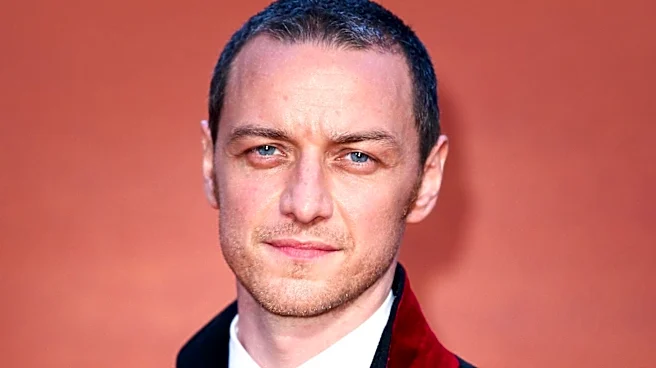
Actor James McAvoy has revealed that he was bullied on the set of the HBO mini-series 'Band of Brothers' when he was 22 years old. During an appearance on 'Watch What Happens Live!', McAvoy recounted an incident on his first day as a professional actor
out of acting school where an unnamed actor, along with his friends, pointed and laughed at him for approximately three minutes. McAvoy stated that this occurred during a bar scene that involved the entire cast. He noted that many of the other actors had been on set for nine to ten months and were frustrated with having minimal lines, while he, as a newcomer for a single episode, had a significant arc and numerous lines. McAvoy narrowed down the potential bully to one of seven actors pictured in a promotional photo from the show: Donnie Wahlberg, Kirk Acevedo, Scott Grimes, Neal McDonough, Adam James, Frank John Hughes, and Ross McCall. He explicitly clarified that David Schwimmer was not the individual who bullied him.
Why It's Important?
This revelation highlights the potential for unprofessional and hostile work environments even in high-profile productions. For emerging actors, such experiences can be particularly impactful, potentially affecting their confidence and early career trajectory. McAvoy's account sheds light on the power dynamics within a film set, where established cast members might resent newcomers perceived as receiving preferential treatment. The incident underscores the importance of fostering respectful and supportive workplaces in the entertainment industry, especially for young professionals. While the specific impact on McAvoy's career was not detailed, such experiences can contribute to broader discussions about workplace conduct and the need for accountability, regardless of an individual's status or tenure on a project. The public nature of this disclosure also brings attention to the personal challenges actors can face behind the scenes, contrasting with the often glamorous perception of Hollywood.
What's Next?
Following James McAvoy's disclosure, there may be increased speculation within the entertainment industry and among the public regarding the identity of the alleged bully. While McAvoy has chosen not to name the individual directly, his narrowing of the suspect list to seven actors could lead to further discussion and scrutiny of those individuals. It is unlikely that a formal investigation will be launched given the time elapsed since the incident and McAvoy's decision to keep the name private. However, this type of public statement often encourages broader conversations about workplace behavior and bullying in the entertainment sector. Other actors might be prompted to share similar experiences, contributing to a larger dialogue about set etiquette and the treatment of cast and crew members, particularly those new to the industry. The incident serves as a reminder of the lasting impact of such experiences on individuals.
Beyond the Headlines
McAvoy's account touches upon deeper issues within the entertainment industry, particularly the unspoken hierarchies and potential for resentment among cast members. The scenario he described—where a new actor with a significant role faces animosity from those with smaller parts—illustrates the competitive and sometimes cutthroat nature of the profession. This incident can be viewed as a micro-example of broader workplace bullying dynamics, where perceived threats to status or opportunity can manifest in hostile behavior. It also raises questions about the responsibility of production companies and senior cast members to ensure a professional and respectful environment for all, especially those in vulnerable positions. The fact that McAvoy remembers this incident decades later underscores the psychological impact of such experiences, highlighting the need for robust support systems and clear codes of conduct on film and television sets to prevent and address bullying.