








What's Happening?
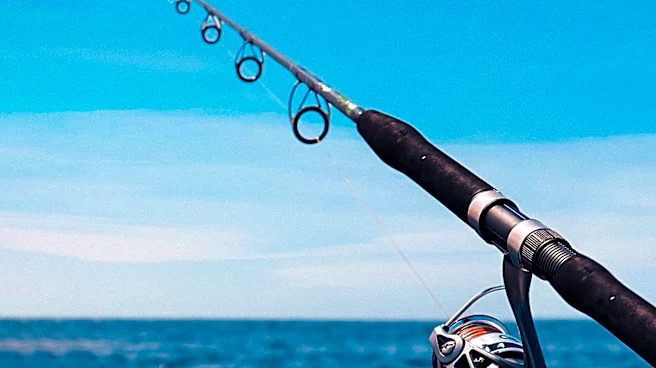
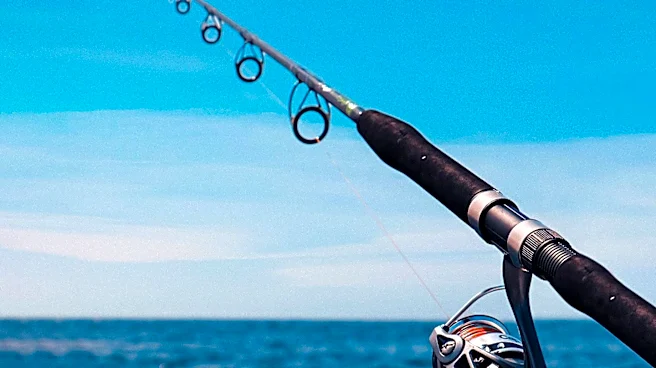
A comprehensive guide for beginner saltwater anglers has been released, focusing on the essential equipment needed to start fishing effectively without overspending. The guide highlights that a practical beginner setup should include a dependable rod
and reel, appropriate fishing line and leader, basic terminal tackle, a few useful tools, and an organized way to carry everything. It advises against immediately purchasing specialized gear, instead recommending a versatile rod-and-reel setup for learning fundamental techniques such as casting, knot tying, rigging, bite detection, hook removal, and fish handling. Key components detailed include selecting a versatile fishing rod, a matching reel (with spinning reels often recommended for beginners due to ease of use), and considering a rod and reel combo for simplicity. The guide also covers the importance of choosing the right fishing line (monofilament or braided), adding leader material for abrasion resistance, and carrying a basic selection of hooks, sinkers, swivels, and snaps. For lures, it suggests starting with a small, versatile selection, or using natural bait. Essential tools like fishing pliers and line cutters are also emphasized for their utility in handling tackle and ensuring clean cuts. The guide stresses the importance of organization, suggesting a fishing backpack for shore-based anglers, and sun protection due to extended exposure to sunlight and reflective water.
Why It's Important?
This guide is important for the U.S. recreational fishing industry and new enthusiasts as it promotes a sensible and cost-effective entry into saltwater fishing. By advising beginners to start with essential, versatile gear rather than a large, specialized collection, it can reduce the initial financial barrier, potentially attracting more participants to the sport. This approach helps new anglers avoid common mistakes like buying too much equipment prematurely or selecting incompatible gear, which can lead to frustration and disengagement. For businesses in the fishing tackle market, this guide encourages thoughtful purchasing, potentially fostering long-term customer relationships as beginners gradually expand their gear based on experience. Emphasizing proper fish-handling and hook-removal techniques also contributes to responsible angling practices, which is crucial for marine conservation efforts and the sustainability of fish populations. Furthermore, the focus on safety, including sun protection and appropriate flotation equipment, underscores the importance of angler well-being, potentially reducing incidents and promoting a safer recreational environment.
What's Next?
New saltwater anglers are encouraged to build their initial fishing kit by prioritizing a versatile rod and reel, suitable fishing line, leader material, and basic terminal tackle. The next step involves acquiring essential tools like pliers and line cutters, and organizing all equipment in a practical tackle box or backpack. As beginners gain experience, they can gradually introduce more specialized rods, reels, lures, and accessories tailored to their preferred fishing environments and target species. The guide suggests that personal experience will be the best indicator for identifying truly useful equipment. Manufacturers and retailers in the fishing industry may see a continued demand for beginner-friendly combos and essential gear kits. Educational initiatives focusing on responsible fishing practices, including proper gear maintenance for saltwater environments, are likely to become more prevalent to support this growing demographic of new anglers. Continued emphasis on safety and environmental awareness will also be crucial as more individuals engage in saltwater fishing.
Beyond the Headlines
Beyond the immediate practical advice, this guide subtly addresses broader themes of consumer behavior and environmental stewardship within the recreational industry. By advocating for a minimalist and experience-driven approach to gear acquisition, it challenges the consumerist tendency to over-purchase, promoting a more mindful engagement with the hobby. This could lead to a shift in marketing strategies within the fishing industry, moving from promoting vast arrays of specialized products to highlighting the value of foundational, versatile equipment. Ethically, the emphasis on proper fish handling and hook removal techniques reinforces the importance of animal welfare and sustainable fishing practices, fostering a sense of responsibility among new anglers. Culturally, it supports the idea that outdoor recreational activities should be accessible and enjoyable without requiring significant upfront investment, potentially broadening the appeal of fishing to a more diverse demographic. In the long term, a more informed and responsible community of anglers could contribute positively to conservation efforts and the overall health of marine ecosystems.