




What's Happening?
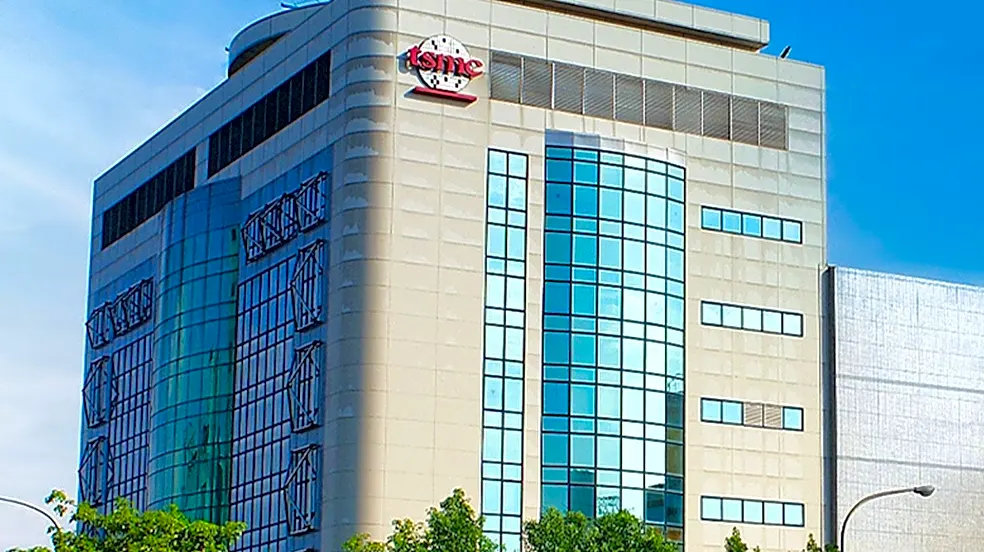
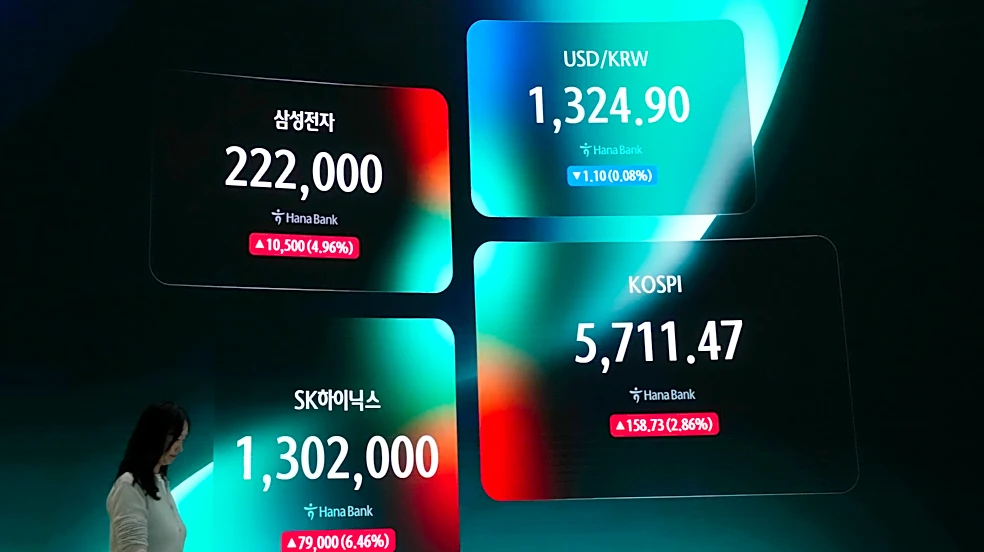
North Asian economies, particularly South Korea and Taiwan, are projected to maintain robust semiconductor exports, with growth rates expected to remain above their long-term potential at 3.0% and 6.5% respectively. This resilience is largely attributed
to the ongoing global boom in Artificial Intelligence (AI) infrastructure spending. Malaysia and Singapore are also anticipated to benefit from this trend. While global growth is generally resilient, supported by healthy labor markets and steady earnings, there are expectations for a gradual moderation in Asian economic growth over the coming quarters. Despite this, the demand for technology exports and AI investment continues to underpin economic activity across the region. The Eastspring report indicates that policy support is expected to sustain China's GDP growth at 4.5% in 2027, and Japan's profit and capital expenditure cycle should keep its growth near 0.9%. India's growth is projected to moderate from 7.6% to 6.8% next year.
Why It's Important?
The sustained demand for semiconductors, driven by global AI infrastructure spending, is crucial for the U.S. technology sector and its supply chains. As a major consumer and innovator in AI, the U.S. relies heavily on the global semiconductor market, with North Asia being a primary supplier. The continued strength of semiconductor exports from this region ensures a stable supply of critical components necessary for advancing AI technologies, data centers, and high-performance computing within the U.S. This stability helps mitigate potential disruptions and supports the growth of U.S. tech companies. Conversely, any significant downward shock to AI spending could weaken growth across the region, potentially impacting the availability and pricing of semiconductors for U.S. industries. The geopolitical stability of key semiconductor-producing nations like Taiwan is also a critical factor, as disruptions could have far-reaching economic consequences for the U.S. and its technological leadership.
What's Next?
Looking ahead, the trajectory of global AI infrastructure spending will be a key determinant for the semiconductor market. While AI capital expenditure growth is expected to remain high, a moderation is anticipated as the installed capital expenditure base rises. This suggests that while demand will continue, the rate of acceleration might slow. Policymakers and businesses in the U.S. will likely monitor these trends closely to anticipate potential shifts in supply and demand. Continued investment in AI and related infrastructure is expected, but companies may need to adapt to a more measured growth environment. Furthermore, the Eastspring report highlights two key risks: a potential downward shock to AI spending and the vulnerability of certain Asian economies to El Nino-related agricultural damage, which could indirectly affect regional economic stability and, consequently, the broader semiconductor supply chain. U.S. companies involved in AI and technology will need to remain agile in their supply chain strategies.
Beyond the Headlines
The reliance on North Asian countries for semiconductor manufacturing, particularly for advanced AI applications, underscores a broader geopolitical and economic vulnerability for the U.S. While the current outlook is positive due to AI demand, the concentration of production in a few regions presents strategic challenges. The push for supply chain resilience, as noted in other reports, becomes even more critical in this context. The long-term implications include potential shifts in global manufacturing strategies, with increased efforts to diversify semiconductor production geographically to reduce dependence on single points of failure. This could lead to significant investments in domestic semiconductor manufacturing capabilities within the U.S. and allied nations, driven by national security and economic competitiveness concerns. The ethical considerations surrounding AI development also play a role, as the foundational hardware for these technologies is deeply intertwined with global trade and geopolitical dynamics.