








What's Happening?
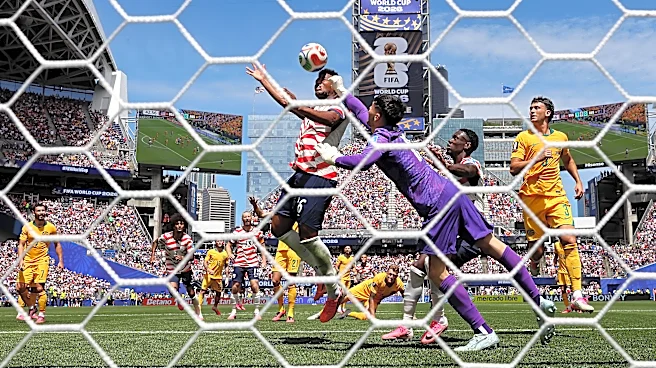
The 2026 FIFA World Cup is set to take place from June 11 to July 19, 2026, marking the first time the tournament will be hosted by three countries: the United States, Canada, and Mexico. This edition of the World Cup will see an expansion from the traditional
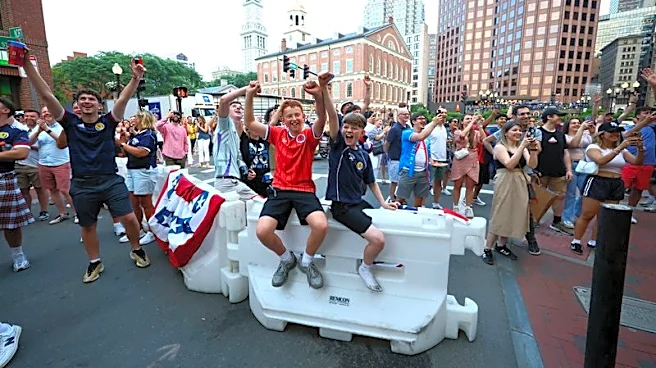
32-team format to 48 teams, allowing for more matches and a broader range of participating nations. The host cities in the United States include Atlanta, Boston, Dallas, Houston, Kansas City, Los Angeles, Miami, New York/New Jersey, Philadelphia, San Francisco, and Seattle. In Canada, matches will be held in Toronto and Vancouver, while Mexico will host games in Guadalajara, Mexico City, and Monterrey. This expansion aims to increase global participation and viewership, with the United States automatically qualifying as one of the host nations.
Why It's Important?
The expansion of the World Cup to 48 teams is significant as it reflects FIFA's efforts to make the tournament more inclusive and globally representative. This change is expected to boost the popularity of soccer in North America, particularly in the United States, where the sport has been growing steadily. The increased number of matches will likely lead to higher economic benefits for the host cities through tourism and global media exposure. Additionally, the automatic qualification of the United States, Canada, and Mexico as host nations provides these countries with a unique opportunity to showcase their infrastructure and hospitality on a global stage. The expanded format also allows smaller nations to participate, potentially increasing the competitive diversity of the tournament.
What's Next?
As the tournament approaches, preparations in the host cities will intensify, focusing on infrastructure improvements and logistical planning to accommodate the influx of international visitors. FIFA and the organizing committees will continue to work on finalizing the match schedules and ensuring that all venues meet the required standards. The expansion may also prompt discussions on the future format of the World Cup and its impact on the global soccer calendar. Stakeholders, including national soccer federations and sponsors, will be closely monitoring the developments to maximize their engagement and investment opportunities.