







What's Happening?
Walmart is expanding its debt-free career training programs, offering pathways to higher-paying jobs for its frontline associates, specifically targeting Gen Z workers who are wary of college debt. The initiative aims to train associates for roles such
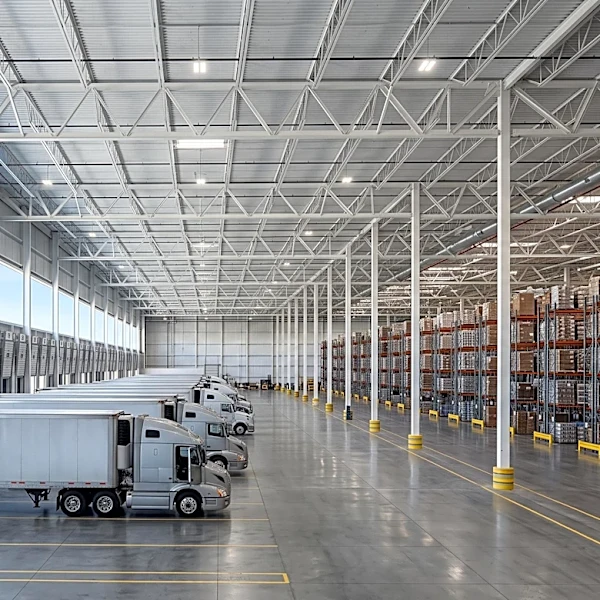
as truck drivers, skilled technicians, and licensed opticians. The flagship 'Associate to Driver' program, launched in 2022, pays eligible employees while they earn a commercial driver’s license, with first-year drivers potentially earning up to $115,000 annually. Over 1,000 employees have transitioned into driving roles through this program. The average total cost of a four-year degree is $108,584, making traditional college an increasingly unaffordable option for many. Betsy Mayotte, President and Founder of The Institute of Student Loan Advisors, states that education for education's sake is no longer affordable. Walmart's program addresses both the rising cost of education and labor shortages in critical fields, directly connecting training to the company's staffing needs. The 'Associate to Technician' program aims to place 4,000 technicians by 2030, with associates potentially increasing their hourly wage from $16-$20 to $35-$40. The 'Associate to Optician' program, currently in pilot, combines on-the-job apprenticeship with online coursework, saving participants an estimated $20,000 in tuition costs.
Why It's Important?
This initiative by Walmart signifies a significant shift in the U.S. labor market and education landscape, particularly for Gen Z. It offers a tangible alternative to the traditional four-year college degree, which has become increasingly burdensome due to escalating costs and student loan debt. For Gen Z, who are often skeptical of the return on investment for a college education, these programs provide a direct path to well-paying jobs without incurring debt. This model could influence other major corporations to develop similar in-house training programs, potentially reshaping the future of vocational education and workforce development. It also addresses critical labor shortages in sectors like trucking and skilled trades, benefiting industries that have struggled to find qualified workers. The program empowers frontline workers with opportunities for upward mobility, fostering economic stability and career progression within the company. This approach challenges the long-held societal expectation that a college degree is the sole route to a successful career, highlighting the value of skilled trades and practical training.
What's Next?
Walmart is expected to continue expanding these career pathways, adapting to workforce needs and employee feedback. The success of these programs could encourage other large employers to invest in similar debt-free training initiatives, potentially leading to a broader trend of corporate-sponsored vocational education. This could result in a more diversified educational landscape, where high school graduates have more viable options beyond traditional college. Policymakers might also take note, potentially exploring incentives for companies that offer such programs or re-evaluating funding for vocational training. The long-term impact could include a reduction in student loan debt for future generations and a more skilled workforce tailored to specific industry demands. However, the challenge will be ensuring the quality and transferability of these skills, as well as maintaining competitive wages to attract and retain talent. The growth of these programs could also lead to increased competition for entry-level positions within companies offering such pathways.
Beyond the Headlines
Walmart's investment in debt-free career training programs touches upon deeper societal issues concerning economic mobility, educational equity, and the evolving value of different career paths. It implicitly questions the societal premium placed on a college degree, especially when its cost outweighs its practical benefits for many. This initiative could help destigmatize vocational training and skilled trades, encouraging more young people to consider these fields as legitimate and lucrative career options. Ethically, it raises questions about corporate responsibility in workforce development and whether such programs adequately prepare individuals for broader economic changes beyond the specific needs of one company. Culturally, it could lead to a re-evaluation of what constitutes a 'good job' or a 'successful career,' shifting focus from academic credentials to practical skills and earning potential. The long-term implications include a potential rebalancing of the labor market, with increased demand and respect for skilled trades, and a more pragmatic approach to education that prioritizes direct employment outcomes over traditional academic pursuits.