




What's Happening?
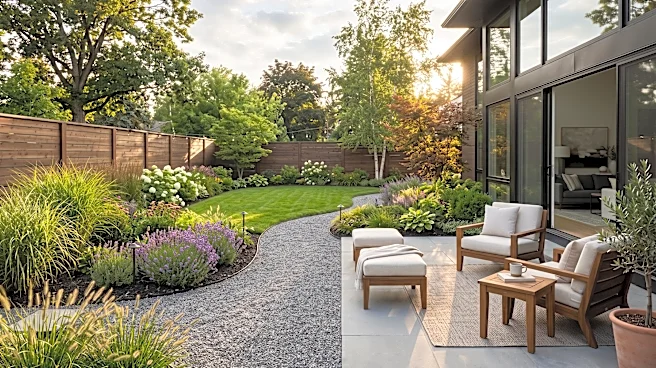
Homeowners planning professional landscape projects are encouraged to engage in thoughtful planning to ensure successful outcomes. A well-designed outdoor space integrates various elements such as living plants, trees, lawns, pathways, fencing, irrigation,
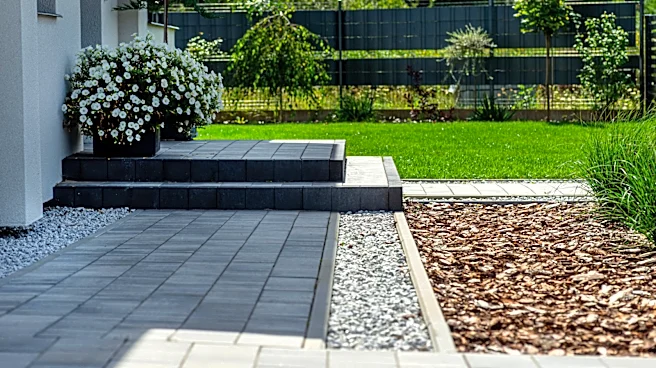
decorative features, and functional areas. The initial step involves defining the purpose of the landscaping, whether it's for an attractive entrance, a gathering area, improved privacy, easier maintenance, or a more organized yard. Without a clear plan, individual improvements can appear disconnected or lead to future maintenance challenges. Effective planning considers existing property conditions, including available space, drainage, sunlight, soil, and access points, as well as the relationship between different outdoor areas. It also helps in determining the placement of hardscape (non-living elements like patios and walkways) and softscape (living elements like plants and trees) features. The local climate significantly influences plant selection and maintenance requirements, making it crucial to choose suitable plants and organize them according to their growing needs.
Why It's Important?
The strategic planning of landscape projects holds significant importance for homeowners, impacting both the aesthetic appeal and long-term functionality of their properties. A well-executed landscape design can enhance property value, create usable outdoor living spaces, and reduce future maintenance burdens. Conversely, a lack of planning can result in costly mistakes, such as unsuitable plant choices for the local climate, inefficient irrigation systems, or hardscaping that doesn't integrate seamlessly with the natural environment. Understanding the distinction between hardscaping and softscaping allows for a balanced design that provides both structure and natural beauty. Moreover, considering factors like drainage and tree care during the planning phase can prevent issues like water accumulation or damage to established vegetation, safeguarding the investment made in the landscape. This proactive approach ensures that the outdoor space remains attractive and functional through changing seasons, aligning with the homeowner's lifestyle and environmental conditions.
What's Next?
Homeowners should prioritize consulting with experienced landscapers to translate their visions into practical plans. During these consultations, it is crucial to discuss immediate needs and long-term expectations, including specific areas for change, features to preserve, required maintenance levels, irrigation organization, appropriate plant selections, drainage solutions, and the necessity of fencing or privacy features. The discussion should also cover how existing trees and vegetation will be incorporated and what seasonal services might be needed post-installation. By asking pertinent questions, homeowners can establish realistic expectations and ensure the landscape design aligns with their property's unique characteristics and their personal preferences. This collaborative approach with professionals will help in creating an outdoor environment that is not only visually appealing but also sustainable and manageable over time.
Beyond the Headlines
Beyond the immediate aesthetic and functional benefits, thoughtful landscape planning contributes to broader environmental and community well-being. By selecting native and climate-appropriate plants, homeowners can support local ecosystems, conserve water, and reduce the need for chemical interventions, thereby promoting biodiversity. The integration of green spaces can also mitigate urban heat island effects and improve air quality. Furthermore, well-designed landscapes can foster a sense of community by creating inviting outdoor areas that encourage social interaction and neighborhood engagement. The long-term impact extends to property values, as attractive and sustainable landscaping can significantly enhance curb appeal and marketability. This holistic approach to landscaping transforms individual properties into valuable components of a larger, healthier urban or suburban environment, reflecting a commitment to both personal enjoyment and ecological responsibility.