





What's Happening?
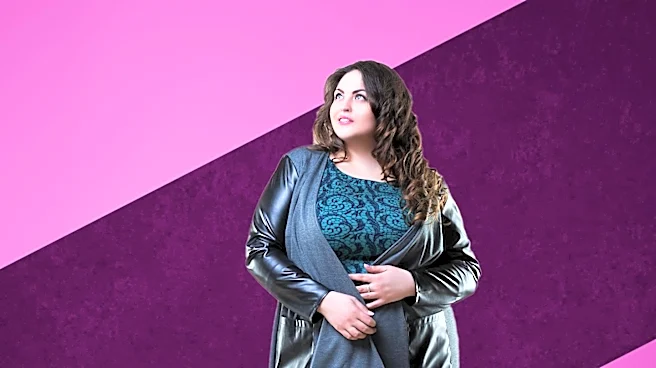
The fashion industry continues to face challenges in adequately serving plus-size women, particularly those above a size 18. Despite the growing demand, many brands fail to offer well-fitting and stylish options for curvier bodies. The industry often
treats plus-size women as a monolith, ignoring the diversity of body shapes and sizes. This results in poorly fitting garments that do not meet consumer needs. The reluctance to invest in proper pattern grading and the misconception of low consumer demand contribute to the lack of options. Additionally, many retailers limit larger sizes to online platforms, further alienating plus-size consumers.
Why It's Important?
The fashion industry's inability to cater to plus-size women represents a significant missed opportunity, both socially and economically. With over 68% of American women wearing size 14 and above, the demand for inclusive fashion is substantial. By not addressing this market, brands are leaving billions of dollars on the table. The lack of inclusivity also perpetuates outdated beauty standards and contributes to the marginalization of plus-size individuals. Addressing these issues could lead to a more inclusive fashion landscape, benefiting both consumers and businesses.
Beyond the Headlines
The fashion industry's struggle with inclusivity highlights broader societal issues related to body image and representation. The persistent focus on thinness as the ideal standard excludes a significant portion of the population from mainstream fashion. This exclusion not only affects consumer choices but also impacts self-esteem and body positivity. A shift towards more inclusive practices could foster a cultural change, promoting acceptance and diversity in fashion. Additionally, educating future designers on the importance of inclusivity could lead to long-term improvements in the industry.