






What's Happening?
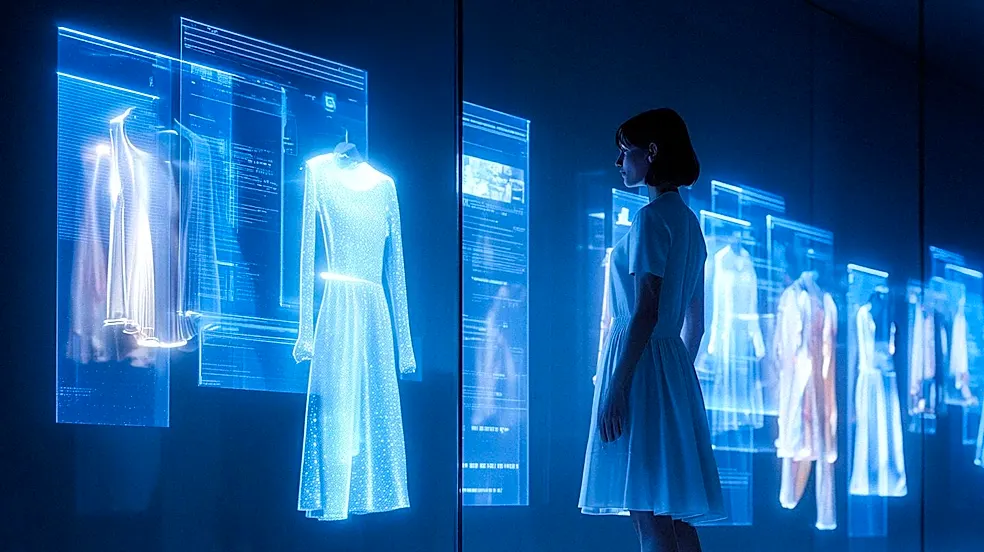
Augmented reality (AR) fitting rooms are revolutionizing the retail experience by allowing customers to virtually visualize products in their own environments. Companies like Amazon and IKEA have implemented AR tools to enhance online shopping. Amazon's
'View in Your Room' feature enables users to place virtual furniture within their physical spaces, offering a realistic preview before purchase. Similarly, IKEA Place allows customers to see how furniture items would look in their homes. These AR applications provide an interactive method for exploring products, moving beyond traditional static images and descriptions. The technology aims to bridge the gap between online browsing and the in-store experience, offering a more immersive and informed purchasing journey for consumers.
Why It's Important?
The integration of augmented reality into retail is significant because it addresses key challenges in online shopping, particularly the inability to physically interact with products. By enabling virtual try-ons and placements, AR tools enhance customer engagement and support better purchasing decisions. This technology can reduce product returns, which are a major cost for e-commerce businesses, as customers gain a clearer understanding of how an item will fit or look in their space. For consumers, it offers convenience and confidence, allowing them to experiment with different products without leaving their homes. This shift impacts the competitive landscape of retail, pushing more companies to adopt AR solutions to meet evolving customer expectations and maintain market relevance in the digital age.
What's Next?
The adoption of augmented reality in retail is expected to expand as more companies recognize its benefits for customer experience and operational efficiency. Future developments may include more sophisticated AR features, such as personalized recommendations based on virtual try-ons, or integration with other emerging technologies like artificial intelligence for even more tailored shopping experiences. As AR technology becomes more accessible and refined, it could become a standard offering for online retailers, further blurring the lines between physical and digital shopping. This trend will likely drive innovation in AR development, leading to more realistic visualizations and seamless user interfaces, ultimately reshaping how consumers interact with brands and make purchasing decisions.
Beyond the Headlines
Beyond the immediate retail benefits, the widespread adoption of augmented reality in shopping has deeper implications for consumer behavior and digital literacy. It fosters a new way of interacting with products, moving from passive viewing to active, personalized engagement. This could lead to a greater demand for immersive digital experiences across various sectors. Ethically, it raises questions about data privacy and how companies use the spatial data collected from users' homes. Culturally, it signifies a growing comfort with blending digital overlays into our physical realities, potentially influencing design, advertising, and even how we perceive our own living spaces. The long-term shift could see AR becoming an integral part of daily life, extending its influence far beyond just shopping.