


What's Happening?
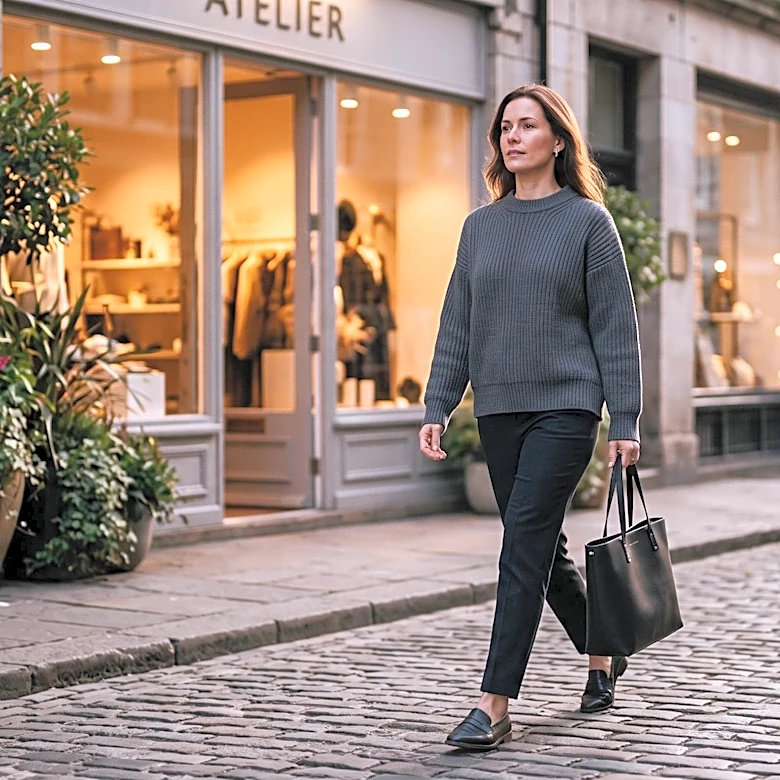
A growing trend known as 'quiet luxury' is reshaping various industries, including fashion, technology, hospitality, and design. This movement prioritizes understated elegance, high-quality craftsmanship, and subtle aesthetics over conspicuous branding
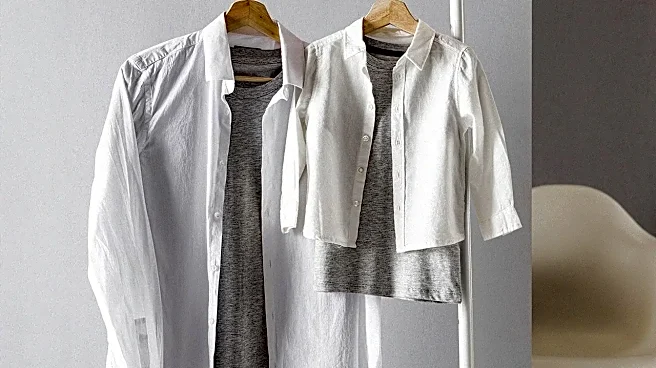
and overt marketing. Brands like Bottega Veneta exemplify this shift, having removed logos from their products to let distinctive craftsmanship, such as woven leather, serve as the identifier. This approach signals a confidence that the product's intrinsic value and recognition are sufficient without explicit branding. The trend extends beyond apparel, with technology and enterprise service providers operating quietly behind client brands through white-label arrangements, and hospitality and design sectors favoring unmarked storefronts and unbranded interiors. This strategy suggests that once a brand has established recognition, visible branding becomes optional, allowing the product or service to speak for itself.
Why It's Important?
The 'quiet luxury' trend signifies a significant evolution in consumer behavior and brand strategy across U.S. industries. It reflects a shift away from status-driven consumption towards a more personal and refined understanding of luxury, where quality and subtlety are paramount. For businesses, this means that investing in superior craftsmanship, unique design, and an authentic brand narrative can be more impactful than traditional logo-centric marketing. Companies that have built strong recognition and reputation stand to gain by adopting this approach, as it resonates with consumers who are increasingly discerning and marketing-literate. Conversely, newer or less established brands may find it challenging to implement 'quiet luxury' effectively, as it relies on pre-existing recognition and trust. This trend could lead to a re-evaluation of marketing budgets, with a greater emphasis on product development and customer experience over overt promotional activities, potentially impacting advertising and branding agencies.
What's Next?
The 'quiet luxury' trend is expected to continue influencing brand strategies across diverse sectors. Brands will likely further explore ways to communicate value and exclusivity through design, material quality, and unique experiences rather than relying on prominent logos. This could lead to an increase in collaborations with artisans, a focus on sustainable and ethically sourced materials, and personalized customer interactions. For consumers, the trend suggests a continued demand for products that offer intrinsic value and a sense of personal connection, moving away from fleeting trends. We may see more brands, particularly in the luxury segment, strategically reducing their visible branding to project an image of confidence and sophistication. However, the success of this approach will depend on a brand's ability to maintain high standards of quality and to cultivate a strong, recognizable identity through means other than overt logos.
Beyond the Headlines
The 'quiet luxury' movement has deeper implications beyond mere aesthetics, touching upon psychological and cultural shifts in how value is perceived. In a market saturated with information and constant self-promotion, understated branding can signal authenticity and a rejection of superficiality. This trend suggests a growing consumer sophistication, where audiences are more adept at distinguishing genuine quality from marketing hype. Ethically, it could encourage brands to focus on the longevity and craftsmanship of their products, potentially leading to more sustainable practices and a reduction in fast fashion or disposable goods. Culturally, it reflects a desire for discretion and a move away from ostentatious displays of wealth, aligning with a broader societal appreciation for subtlety and personal expression over overt status symbols. This shift challenges traditional notions of luxury and branding, prompting a re-evaluation of what truly constitutes 'premium' in the modern marketplace.