


What's Happening?
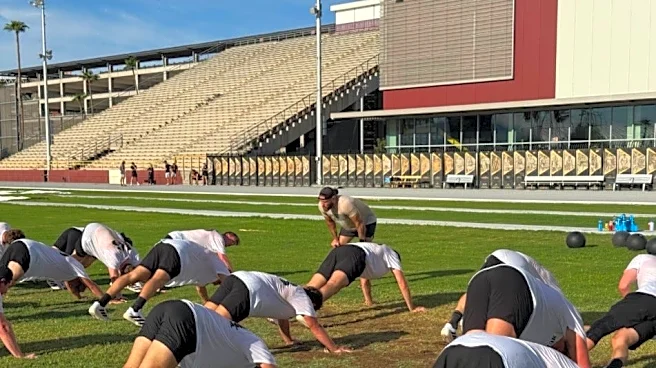
Arizona State University (ASU) has appointed Scott Bales, a former chief justice of the Arizona Supreme Court, to lead an independent review into the collapse of hockey player Matthew Mayich. Mayich collapsed during an outdoor workout in August, suffering
from exertional heat stroke, which has reportedly reduced oxygen flow to his brain and may lead to permanent injury. The incident occurred on the first day NCAA allows official activities. James Rund, ASU senior vice president of educational outreach and student services, stated that Bales will review ASU's findings and information provided by attorneys for the Mayich family, hockey team members, and law enforcement. Bales is tasked with making recommendations on the planning, approval, staffing, policies, and procedures for outdoor athletic activities, as well as the use of outside consultants in strength and conditioning practices. The university has requested the review be completed by early December. ASU also placed hockey coach Greg Powers on administrative leave as the investigation continues, preventing him from joining the team's season opener.
Why It's Important?
This independent review is crucial for several reasons, primarily concerning athlete safety and institutional accountability in collegiate sports. The incident highlights the severe risks associated with exertional heat stroke during athletic training, especially when proper protocols may not be followed. The Mayich family's dissatisfaction with the scope of the review, arguing it should investigate 'what went wrong' and 'who is responsible' rather than just future policy, underscores a broader concern about transparency and justice for injured athletes. This case could set a precedent for how universities handle similar incidents, potentially influencing NCAA regulations and institutional oversight of athletic programs. The family's comparison to the death of Maryland football player Jordan McNair in 2018, which led to external investigations and public findings, emphasizes the need for comprehensive and unbiased inquiries. The outcome of this review could lead to significant changes in how collegiate athletic departments manage training, particularly regarding heat-related illnesses and the supervision of external consultants, impacting the well-being of student-athletes nationwide.
What's Next?
The independent review led by Scott Bales is expected to conclude by early December, at which point his recommendations regarding ASU's policies and procedures for outdoor athletic activities will be presented. However, the Mayich family and their attorney, Rob Carey, are advocating for an expanded mandate for Bales, urging him to investigate the specific circumstances of Matthew's collapse, including why the workout was allowed, why it wasn't stopped despite visible distress among players, and which rules were violated. They also suggest that Bales should report to the Arizona Board of Regents, rather than ASU's administration, to ensure impartiality. If the university does not broaden Bales's scope, the family has called for a second independent investigator to examine institutional and personnel failures. The administrative leave of hockey coach Greg Powers will continue as the investigation progresses, and further personnel actions could follow based on the review's findings. This situation could lead to legal actions from the Mayich family, depending on the thoroughness and findings of the ongoing investigations.
Beyond the Headlines
The Matthew Mayich incident at Arizona State University extends beyond a single athletic injury, touching upon critical ethical and systemic issues within collegiate sports. The family's concerns about the narrow scope of the independent review highlight a persistent tension between institutional self-preservation and the pursuit of justice for student-athletes. The call for an investigation into 'who is responsible' rather than just policy adjustments points to a deeper demand for accountability from coaches and university staff. This case also brings to light the potential for power imbalances, where student-athletes and their families may fear retribution for speaking out, as evidenced by the anonymous letter from seven players. The reliance on external consultants, like the former Green Beret Timothy Ziesel, without proper oversight from university strength and conditioning coaches, raises questions about the vetting and integration of such personnel into athletic programs. Ultimately, this situation could catalyze a broader re-evaluation of athlete welfare, institutional transparency, and the ethical responsibilities of universities in protecting their student-athletes from preventable harm.