




What's Happening?
A new Korean beauty trend, 'bloom skin,' is gaining favor among dermatologists, replacing the previously popular 'glass skin' aesthetic. While 'glass skin' aimed for a smooth, reflective, almost lacquered complexion often achieved through extensive multi-step
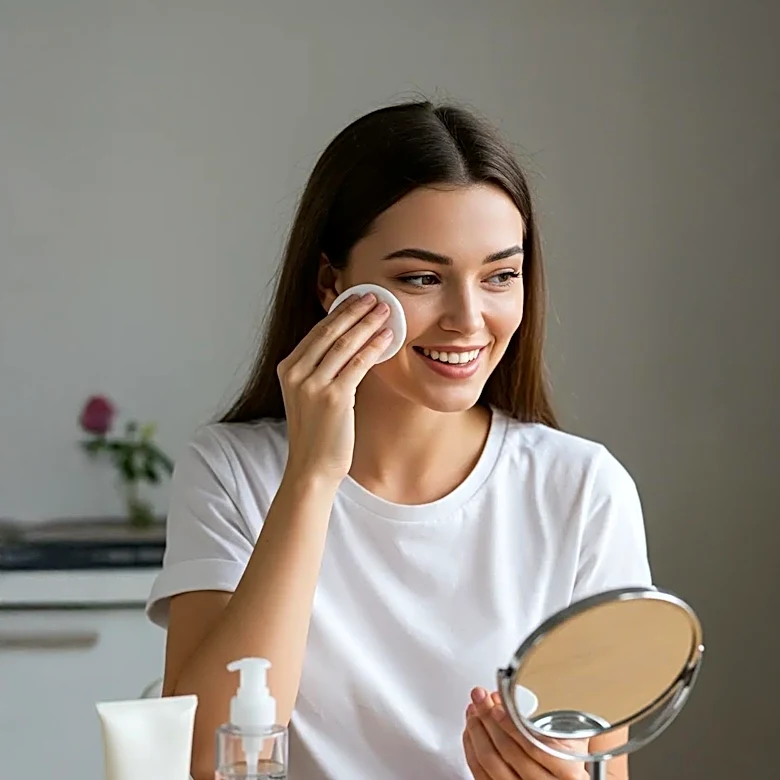
routines, 'bloom skin' emphasizes a healthy, plump, and softly radiant appearance. According to Dr. Pearl Ugwu-Dike, a board-certified dermatologist in New York City, 'bloom skin' allows skin to look like skin again, focusing on natural luminosity, hydration, and overall health rather than an overly glossy finish. Dr. Jane Yoo, another board-certified dermatologist, highlights that 'bloom skin' prioritizes skin barrier health, hydration, and addressing actual skin concerns. This shift is seen as a more realistic and attainable goal, especially for individuals with acne or sensitive skin who may have found the 'glass skin' ideal unachievable. The routine for 'bloom skin' is notably simpler, typically involving a gentle cleanser, a moisturizer, and daily sunscreen, with additional treatment products only if necessary for specific concerns.
Why It's Important?
This shift in beauty trends from 'glass skin' to 'bloom skin' signifies a broader movement towards prioritizing skin health and natural appearance over an artificial, perfected look. For consumers, this means a potentially less complex and less expensive skincare routine, as the emphasis moves away from numerous products to a few effective ones that support the skin's natural functions. Dermatologists like Dr. Ugwu-Dike and Dr. Yoo endorse 'bloom skin' because it promotes a strong skin barrier, which is crucial for protecting against irritants and maintaining hydration. This focus on foundational skin health can lead to fewer instances of irritation, dryness, and dullness often associated with over-exfoliation or excessive product use in pursuit of 'glass skin.' The trend also makes healthy skin goals more inclusive, as it is achievable for a wider range of skin types, including those with sensitivities or conditions like acne, who might have felt excluded by the 'glass skin' ideal.
What's Next?
The growing endorsement of 'bloom skin' by dermatologists suggests a continued move towards simplified, health-focused skincare routines in the beauty industry. Consumers can expect to see more product formulations that emphasize barrier repair, hydration, and gentle ingredients, rather than those promising immediate, superficial radiance. Skincare brands may adapt their marketing strategies to align with this trend, highlighting the long-term benefits of skin health over temporary cosmetic effects. Educational content from beauty influencers and experts is also likely to shift, promoting minimalist routines and the importance of core skincare principles like sun protection and gentle cleansing. This could lead to a more informed consumer base that prioritizes sustainable skin health practices over fleeting beauty fads, potentially influencing product development and consumer purchasing habits in the coming years.
Beyond the Headlines
The transition from 'glass skin' to 'bloom skin' reflects a deeper cultural shift in beauty standards, moving away from an idealized, often unattainable perfection towards a more authentic and healthy aesthetic. This evolution challenges the notion that more steps or more products equate to better skin, instead advocating for a 'less is more' approach. Ethically, this trend is significant as it promotes realistic beauty goals, potentially reducing the psychological pressure on individuals to achieve an 'flawless' complexion that might require extensive effort or be genetically impossible. It also underscores the importance of professional dermatological advice in guiding beauty trends, as experts are steering consumers towards practices that genuinely benefit skin health rather than just its appearance. This could foster a more sustainable and health-conscious approach to beauty, encouraging individuals to embrace their natural skin while nurturing its well-being.