




What's Happening?
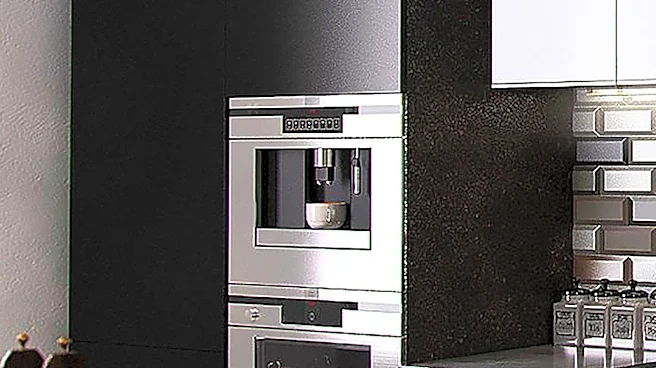
The development of connected kitchens involves integrating smart appliances such as ovens, dishwashers, and laundry equipment with cloud connectivity. These appliances necessitate specific hardware and software considerations due to the unique kitchen environment.
Key requirements include durable displays, wide-temperature range components, and sealed front faces to withstand kitchen conditions. Furthermore, these smart devices rely on pre-certified module architectures and coordinated testing to meet various regulatory approvals, including safety, electromagnetic compatibility (EMC), wireless communication standards, and energy efficiency. Cloud and application integration are central to their functionality, often utilizing Linux or RTOS control boards equipped with Wi-Fi/Bluetooth capabilities, MQTT/HTTP cloud agents for communication, and over-the-air (OTA) update frameworks to ensure continuous functionality and security. This comprehensive approach addresses the technical complexities of bringing smart technology into the home kitchen.
Why It's Important?
The rise of connected kitchens signifies a significant shift in the home appliance industry, impacting manufacturers, consumers, and technology developers. For manufacturers, it means a greater investment in research and development to produce appliances that are not only functional but also smart, secure, and compliant with a myriad of certifications. This drives innovation in component design, software integration, and testing protocols. Consumers stand to benefit from enhanced convenience, energy efficiency, and potentially new culinary experiences through automated and interconnected kitchen ecosystems. However, it also introduces concerns regarding data privacy, cybersecurity, and the longevity of software support for these devices. The demand for specialized components and rigorous certification processes could also influence pricing and market accessibility, potentially creating a premium segment for these advanced appliances. The integration of cloud services and OTA updates also means a continuous relationship between the consumer and the manufacturer, extending beyond the initial purchase.
What's Next?
Looking ahead, the connected kitchen market is expected to see continued advancements in artificial intelligence and machine learning to offer more personalized and predictive functionalities. This could include appliances that learn cooking preferences, suggest recipes based on available ingredients, or even anticipate maintenance needs. The industry will likely focus on standardizing communication protocols to ensure seamless interoperability between different brands and types of appliances, moving towards a more cohesive smart home ecosystem. Regulatory bodies may also introduce new guidelines or certifications specifically for connected appliances, addressing concerns around data security, energy consumption, and product lifespan. Furthermore, the development of more robust and user-friendly interfaces will be crucial for broader consumer adoption, as will addressing the perceived complexity and cost associated with these advanced kitchen systems. The evolution of cloud infrastructure and edge computing will also play a vital role in enhancing the responsiveness and reliability of connected kitchen devices.
Beyond the Headlines
The proliferation of connected kitchens extends beyond mere convenience, touching upon broader societal and ethical considerations. The collection of user data by smart appliances, for instance, raises questions about privacy and how this data is stored, used, and protected. There's a potential for these devices to create a more sustainable lifestyle by optimizing energy use and reducing food waste through smart inventory management. However, it also introduces a digital divide, where access to these advanced technologies might be limited to certain socioeconomic groups. The long-term environmental impact of manufacturing and disposing of increasingly complex electronic appliances also warrants consideration. Moreover, the reliance on software updates and cloud services means that the functionality of these appliances is tied to ongoing support from manufacturers, potentially leading to obsolescence if support is discontinued. This shift also redefines the traditional role of the kitchen, transforming it from a purely functional space into a highly intelligent and interactive hub within the home.