





What's Happening?
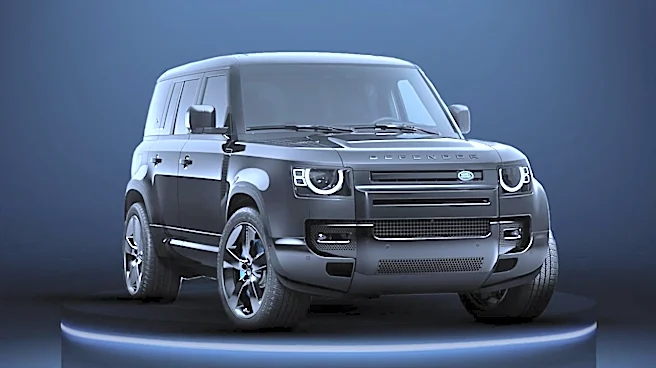
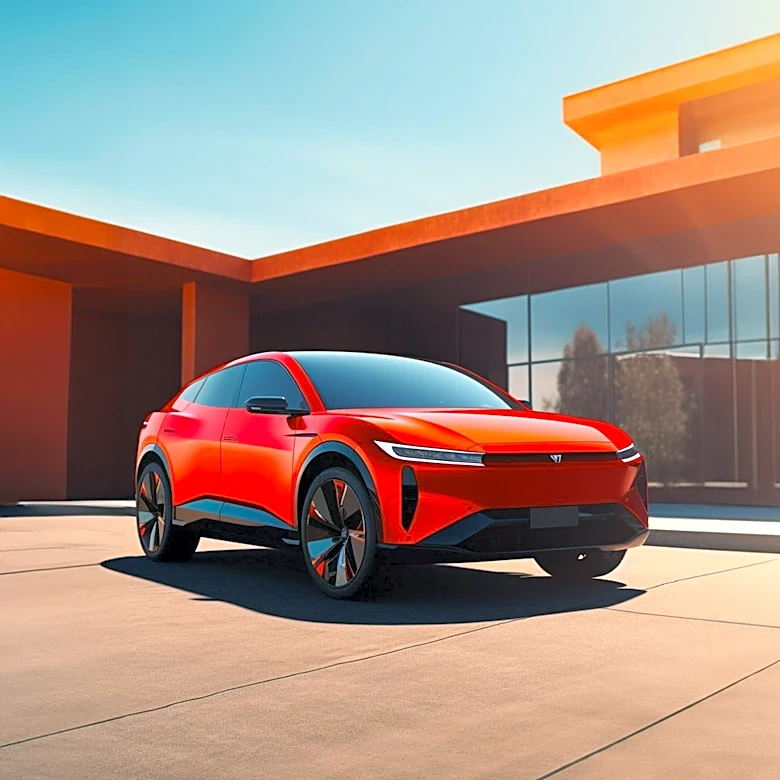
A Dutch court has granted a preliminary EU-wide injunction against Chinese car manufacturer BYD, finding that its Fangchengbao Ti7 SUV infringes upon Jaguar Land Rover's (JLR) registered design for the Land Rover Defender. JLR introduced the new generation
Defender in September 2019, having registered several EU designs to protect its appearance. In September 2025, BYD launched its Ti7 in China and subsequently announced plans to introduce it in the UK and Europe. JLR initiated summary proceedings in September 2026, arguing that the Ti7 infringed its design rights. The District Court of The Hague, on November 20, 2026, provisionally ruled that the Ti7 reproduced the dominant features of JLR's design almost identically, despite BYD highlighting numerous differences. The court determined that the combination of features in JLR's design, such as rounded corners, pronounced shoulders, and a distinctive rear panel, distinguished it from earlier vehicle designs. The injunction prohibits ten EU-based BYD companies from importing, manufacturing, selling, or trading the Ti7 throughout the EU, with potential penalty payments for non-compliance.
Why It's Important?
This ruling underscores the critical importance of intellectual property rights in the global automotive industry and sets a precedent for design protection within the European Union. For JLR, the injunction provides a significant victory in safeguarding its distinctive design language and market position against alleged infringements. It reinforces the value of registered designs as a tool to prevent competitors from leveraging established brand aesthetics. For BYD, a rapidly expanding player in the electric vehicle market, this injunction could disrupt its European expansion plans for the Ti7, potentially leading to significant financial losses and reputational damage. The decision also signals to other automotive manufacturers that design similarities will be scrutinized, potentially influencing future vehicle design strategies and cross-border market entries. The case highlights the complexities and legal challenges associated with global product launches and intellectual property enforcement.
What's Next?
The injunction requires the affected BYD companies to comply within one week of the judgment's service, with daily penalty payments of EUR 100,000, up to a maximum of EUR 10 million, for non-compliance. BYD has announced its intention to appeal the decision, maintaining that the Ti7 was developed independently and does not infringe JLR's intellectual property rights. JLR has six months from the judgment date to initiate proceedings on the merits, which would lead to a more comprehensive trial on the infringement claim. The injunction does not extend to the UK, as the court lacked jurisdiction over BYD's UK company. The outcome of BYD's appeal and any subsequent proceedings on the merits will be closely watched, as it could further define the scope of design protection and enforcement in the automotive sector across Europe.
Beyond the Headlines
This case delves into the nuanced aspects of design infringement, particularly the concept of 'overall impression' on an 'informed user.' The court's detailed analysis of specific design elements and their combination, rather than individual features, highlights the sophistication required in intellectual property disputes. It also brings to the forefront the challenges faced by global companies in protecting their designs across different jurisdictions, as evidenced by the injunction's limitation to the EU. The dispute could influence how automotive companies approach design innovation, potentially leading to more distinct visual differentiation to avoid legal challenges. Furthermore, it underscores the growing tension between established automotive brands and emerging manufacturers, particularly from China, as they expand into international markets, making intellectual property a key battleground in the competitive landscape.