









What's Happening?
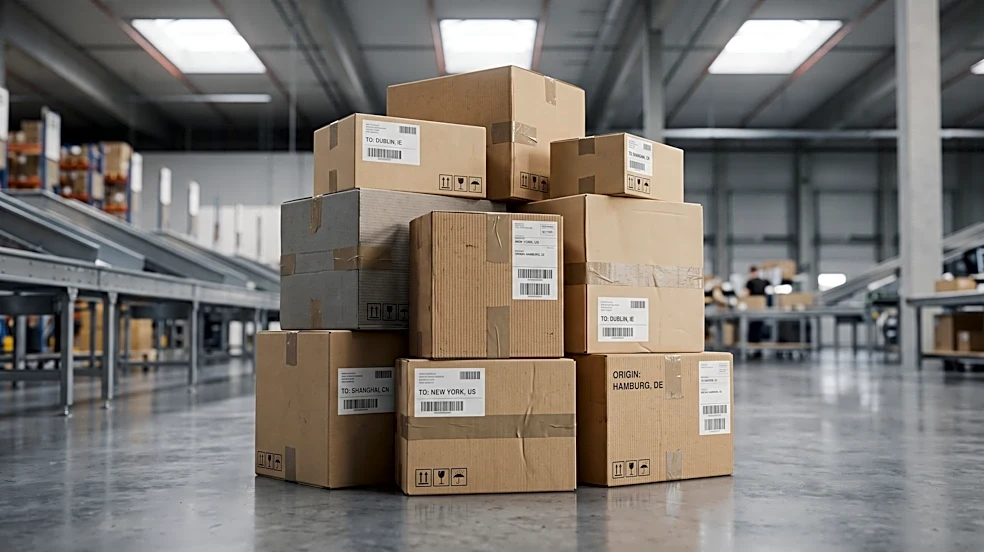
Latvia is introducing a new import duty of three euros, effective July 1, which will apply to each category of goods in a shipment from outside the European Union. This means that if a single shipment contains items from different categories, the three-euro
duty will be levied for each distinct category, not just once per shipment. For example, three phone cases, if classified under a single code, would incur a three-euro charge, but if fabric and leather shoes are purchased in the same shipment, each would be charged three euros. This duty targets goods purchased and shipped directly from third countries, including Norway, Switzerland, and the United Kingdom. However, goods shipped from an EU warehouse, even if the online store is outside the EU, will not be subject to this new duty, as they would have already cleared customs. Gifts sent between private individuals are also exempt. The primary goal of this new fee is to foster fair competition by preventing non-EU merchants from having a price advantage over EU businesses that fully comply with tax regulations. Most customers are expected to pay this duty at the time of placing their order through the online store.
Why It's Important?
This new import duty in Latvia is significant for several reasons. Firstly, it aims to level the playing field for businesses within the EU by mitigating the competitive edge previously held by third-country merchants who did not face the same tax obligations. This could lead to a slight increase in prices for consumers purchasing goods from outside the EU, potentially shifting consumer behavior towards EU-based online retailers. Secondly, the policy highlights a broader trend among nations to regulate and tax cross-border e-commerce more effectively, ensuring that all goods entering the market contribute to the local economy through taxation. This could serve as a model or precedent for other EU member states or even countries outside the EU looking to protect their domestic markets and ensure tax fairness. The measure also underscores the increasing complexity of international online shopping, requiring consumers to be more aware of potential additional costs beyond the listed product price. The impact on small businesses within Latvia and the EU could be positive, as it reduces the price disparity with larger international online retailers.
What's Next?
As the new import duty takes effect on July 1, consumers in Latvia will need to be more vigilant about the origin of their online purchases and the potential for additional costs. Online stores shipping to Latvia from outside the EU are expected to integrate this new duty into their checkout processes, allowing customers to pay it upfront. However, there may be instances where shipments require direct customs clearance by the recipient, either through the State Revenue Service’s electronic declaration system or via paid services from postal or express mail customs brokers. Authorities are also anticipating an increase in scam attempts, with fraudsters potentially impersonating shipping companies to request payments. Therefore, consumers will need to exercise caution and verify the legitimacy of any payment requests related to customs duties. The long-term effects will likely include a re-evaluation by consumers of the cost-effectiveness of purchasing from non-EU vendors and a potential boost for local and EU businesses.
Beyond the Headlines
The implementation of this import duty in Latvia reflects a growing global challenge in the digital age: how to fairly tax and regulate e-commerce that transcends national borders. This move is not just about revenue generation but also about the ethical implications of fair competition and supporting local economies. The 'de minimis' thresholds, which previously allowed low-value goods to enter without duties, are being re-evaluated by many countries as the volume of online shopping from international vendors has surged. This policy could be seen as part of a larger effort to adapt traditional tax frameworks to the realities of a globalized digital marketplace. It also raises questions about consumer awareness and education regarding international shipping regulations and potential hidden costs. The shift could encourage more sustainable consumption patterns by making consumers more conscious of the true cost of goods, including their environmental footprint and the economic impact on local businesses. The policy's success in promoting fair competition and its influence on consumer behavior will be closely watched.