


What's Happening?
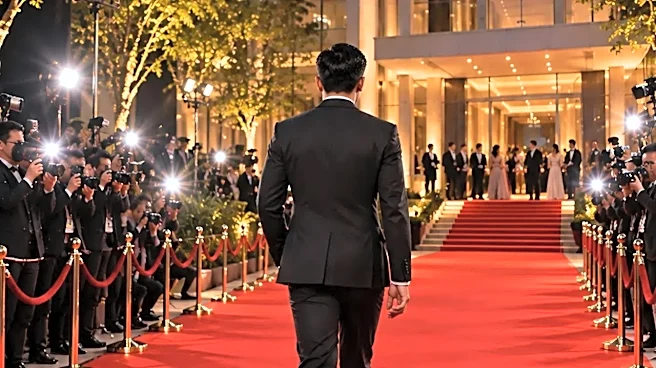
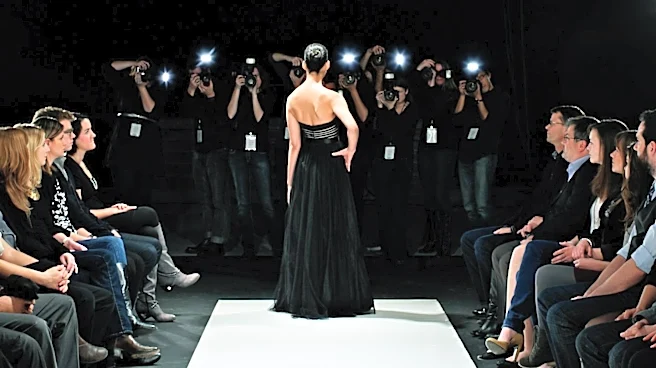
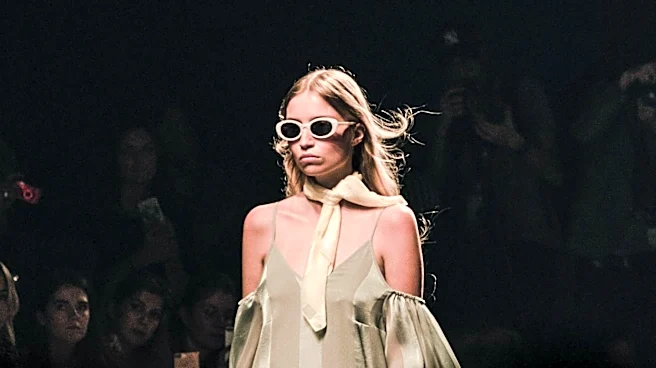
Independent designers aiming to participate in New York Fashion Week (NYFW) need a strategic approach to stand out amidst the event's complexities. NYFW occurs twice annually, in February for Fall/Winter collections and September for Spring/Summer, across
various New York City neighborhoods such as Tribeca, the Meatpacking District, Chelsea, and Brooklyn. Designers must familiarize themselves with the Council of Fashion Designers of America (CFDA) calendar, which lists official dates, designer lineups, and showtimes. Securing a spot on the official NYFW schedule involves applying to the CFDA months in advance of the May deadline and, crucially, building relationships with show producers. These producers are instrumental in managing all aspects of a show, from lighting and venue spaces to guest management and PR. Partnering with an independent producer is highly recommended to ensure a well-executed show and make a memorable impression on the runway, as their schedules may differ from the CFDA's official listings.
Why It's Important?
For independent designers, successfully navigating NYFW is critical for career advancement and brand visibility within the competitive fashion industry. The event offers a significant platform to showcase designs, connect with a broader audience, and establish a brand narrative. Strategic positioning, including selecting appropriate venues and time slots that align with the target audience, can significantly impact a show's success. Furthermore, incorporating themes like sustainability and diversity can help a brand differentiate itself and resonate with eco-conscious and inclusive-minded fashion advocates. Beyond the runway shows, NYFW provides extensive networking opportunities through afterparties, street style events, pop-ups, and panel discussions. These interactions with other designers, editors, and influencers are invaluable for pitching brands, exchanging contact information, and building lasting professional relationships that extend beyond the event itself.
What's Next?
Independent designers planning to participate in future New York Fashion Week events should begin by closely monitoring the CFDA calendar for upcoming deadlines and official schedules. The next steps involve preparing applications for the official CFDA schedule well in advance of the May deadline. Simultaneously, designers should focus on cultivating relationships with experienced show producers, as their expertise is vital for logistical execution and securing a prime spot. Designers are also encouraged to develop a clear brand identity that incorporates elements like sustainability and diversity to enhance their appeal. Actively engaging in networking opportunities during NYFW, beyond just the runway shows, will be crucial for maximizing exposure and fostering industry connections. Future success hinges on a combination of strategic planning, effective partnerships, and proactive engagement within the fashion community.
Beyond the Headlines
The emphasis on strategic navigation for independent designers at NYFW highlights a broader shift in the fashion industry towards greater accessibility and the need for robust business acumen alongside creative talent. The advice to build relationships with show producers underscores the intricate, often behind-the-scenes, power dynamics that shape major fashion events. This also points to the increasing importance of professional event management and PR in a designer's success, moving beyond just the quality of the collection itself. The call for designers to incorporate sustainability and diversity reflects evolving consumer values and the industry's growing awareness of social and environmental responsibility. This suggests that future success in fashion will not only be about aesthetic innovation but also about ethical practices and inclusive representation, pushing designers to consider their brand's impact on a wider societal and environmental scale.