






What's Happening?
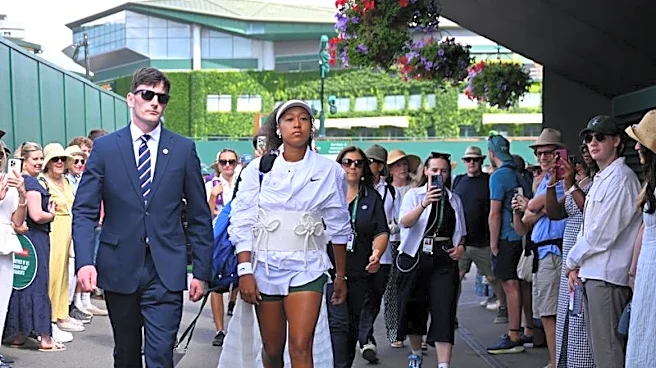
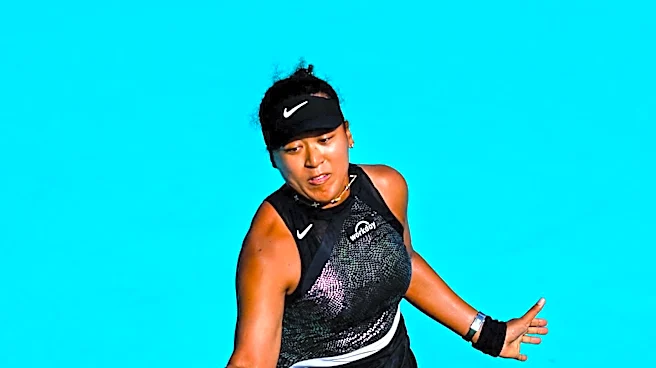
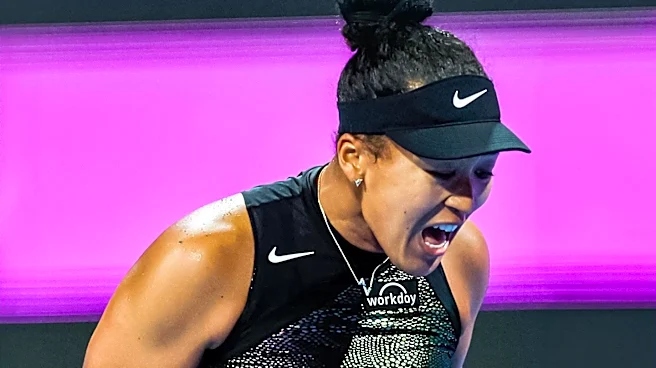
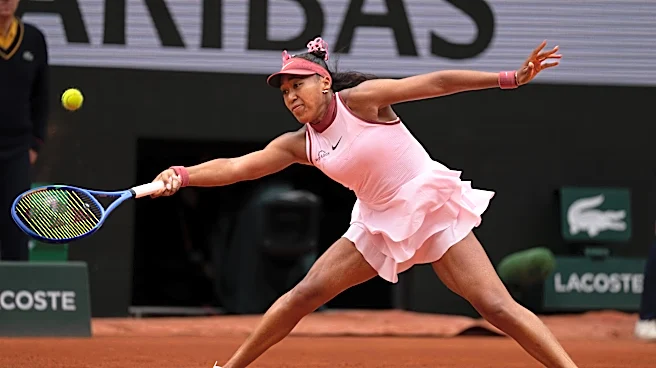
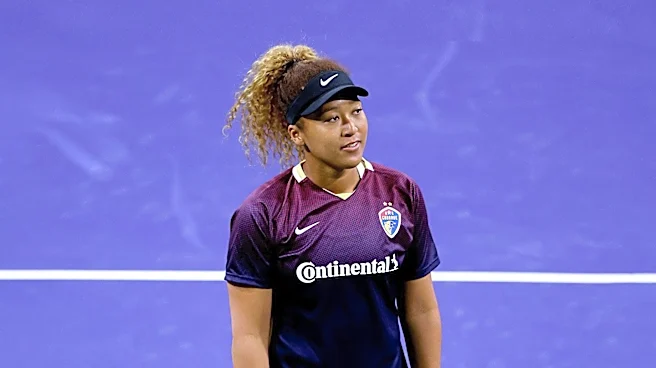
Naomi Osaka has made headlines at Wimbledon 2026 with her striking fashion choices that blend high fashion with cultural heritage. On the third day of the tournament, Osaka wore a cascading tulle skirt paired with an embellished Nike shirt, continuing
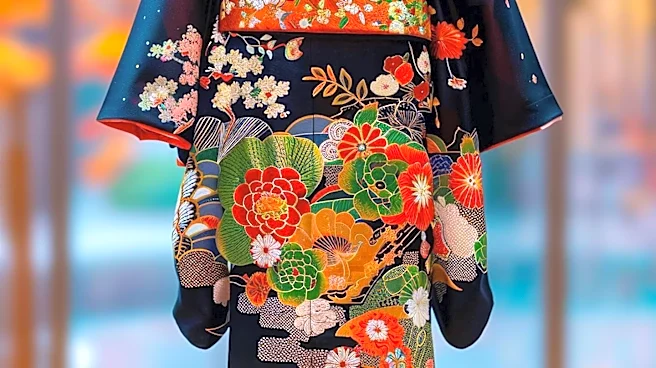
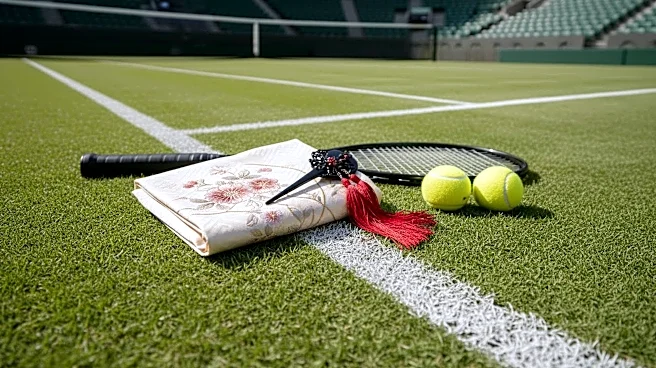
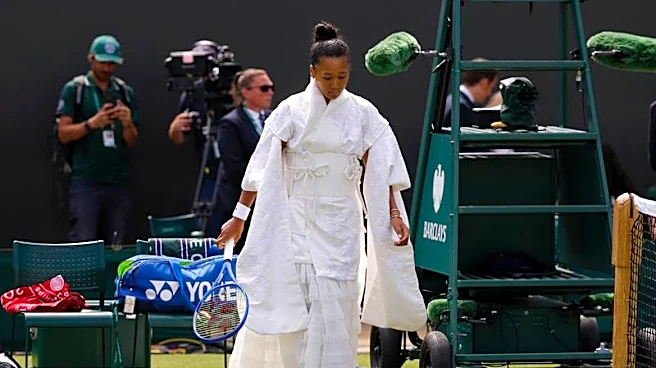
her trend of making bold fashion statements on the court. Earlier, she had donned a traditional Japanese ceremonial outfit designed by Hana Yago, complete with a kanzashi hair ornament. This outfit was notable for its detachable layers, allowing Osaka to transition seamlessly into her tennis attire. Her fashion choices at Wimbledon are part of a broader trend where tennis players are increasingly using their attire to make personal and cultural statements, a practice that has historical roots in the sport.
Why It's Important?
Osaka's fashion choices at Wimbledon are significant as they reflect a growing trend in sports where athletes use their platform to express personal and cultural identities. This shift towards more personalized and culturally significant attire in tennis highlights the evolving nature of sports fashion, where players are not just athletes but also cultural icons. For Osaka, a Japanese-Haitian athlete, her attire serves as a celebration of her heritage, potentially inspiring others to embrace and showcase their cultural backgrounds. This trend also challenges traditional norms in sports attire, pushing the boundaries of what is considered acceptable and encouraging a more inclusive and diverse representation in sports.
What's Next?
As athletes like Osaka continue to push the boundaries of sports fashion, it is likely that we will see more players adopting similar approaches, using their attire to make statements beyond the game. This could lead to changes in dress codes and regulations in sports, as organizations may need to adapt to accommodate these evolving expressions of identity. Additionally, fashion brands and designers may increasingly collaborate with athletes to create unique, culturally significant sportswear, further blurring the lines between sports and fashion industries.
Beyond the Headlines
Osaka's fashion choices also raise questions about the role of cultural representation in sports. By wearing outfits that pay homage to her Japanese heritage, Osaka is not only making a personal statement but also contributing to a broader conversation about diversity and representation in sports. This could have long-term implications for how cultural identities are perceived and celebrated in the sports world, potentially influencing future generations of athletes to embrace and showcase their own cultural backgrounds.