






What's Happening?
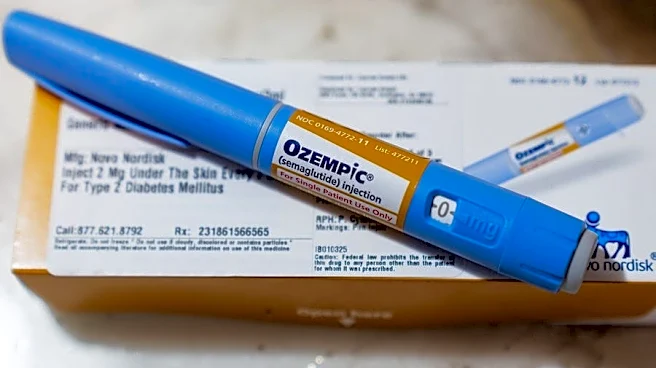
American tennis player Amanda Anisimova has publicly addressed and denied accusations of using Ozempic, a prescription weight-loss medication, following significant online commentary regarding her recent body transformation. The scrutiny intensified after
her withdrawal from the Singapore Open due to a wrist injury. Anisimova, who was last seen competing at the U.S. Open where she exited in the third round, took to Instagram to firmly ask critics to cease commenting on her physical appearance. This is not the first instance of Anisimova pushing back against online trolls; she previously responded to body-shaming remarks, emphasizing her frustration with the constant analysis of her body on social media. Her coach, Hendrik Vleeshouwers, has noted that Anisimova has been engaged in extensive fitness work over the past few years to build her physical and emotional stability on the court.
Why It's Important?
This situation highlights the intense public and media scrutiny faced by athletes, particularly female athletes, regarding their physical appearance and health. The prevalence of social media amplifies these pressures, allowing for widespread, often unfounded, speculation and criticism. Anisimova's public denial of Ozempic use and her plea for privacy underscore the mental health challenges athletes encounter when their bodies become subjects of public debate. It also brings to light the broader societal conversation around weight-loss drugs like Ozempic and the ethical implications of speculating on individuals' medical choices. For professional sports, such incidents can detract from an athlete's performance and well-being, shifting focus from their athletic achievements to their personal lives and physical changes.
What's Next?
Anisimova's immediate focus will likely be on recovering from her wrist injury and preparing for future tournaments. Her public statement may lead to a temporary reduction in direct online commentary, but the broader issue of body shaming and speculation about athletes' health is likely to persist. The tennis community and sports organizations may face increased pressure to address and implement stricter guidelines against online harassment and body shhaming directed at athletes. This incident could also spark further discussions within the medical and sports communities about the responsible use and public perception of weight-loss medications, especially in high-profile contexts. Anisimova's continued performance and public presence will be observed, with ongoing attention to how she manages both her career and public image amidst such scrutiny.
Beyond the Headlines
The incident with Amanda Anisimova delves into deeper societal issues concerning body image, privacy, and the impact of social media on public figures. It reflects a culture where physical appearance is often prioritized over athletic prowess or personal well-being, particularly for women in sports. The ease with which individuals can make speculative and critical comments online, often anonymously, creates a hostile environment that can significantly affect mental health. This situation also touches upon the ethical boundaries of public discourse, questioning where the line should be drawn between legitimate public interest in an athlete's career and intrusive commentary on their personal health and body. It serves as a reminder of the need for greater empathy and respect in online interactions, especially when discussing sensitive topics like health and body changes.