


What's Happening?
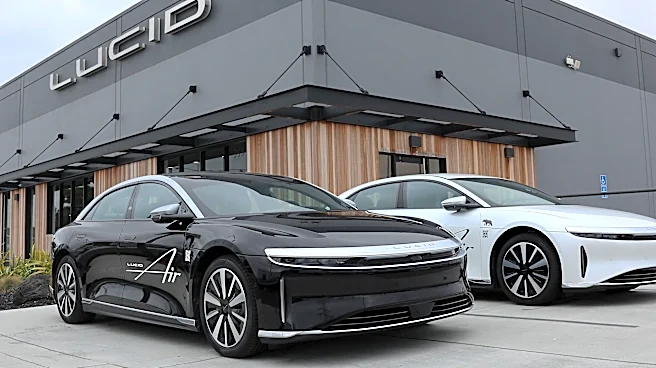
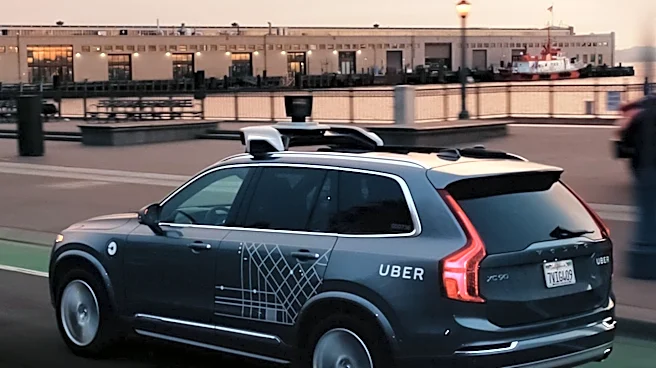
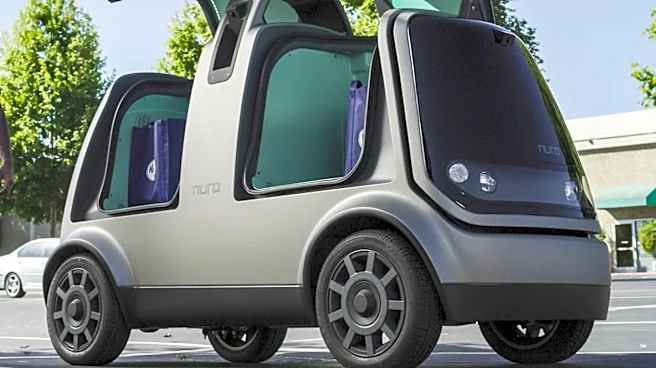
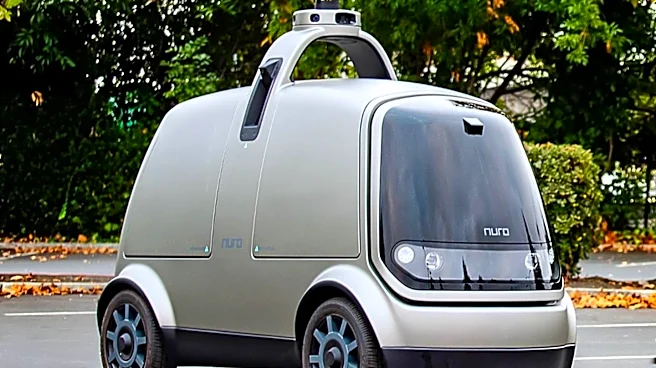
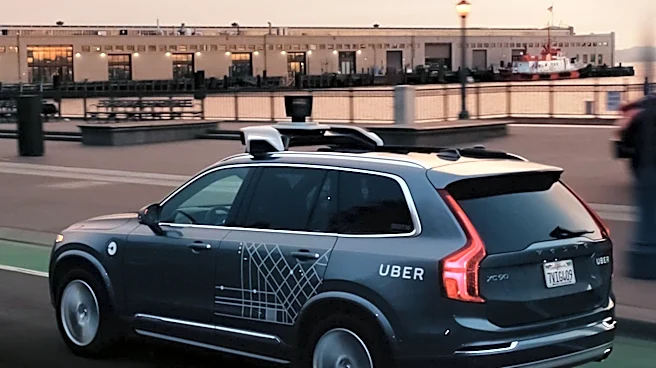
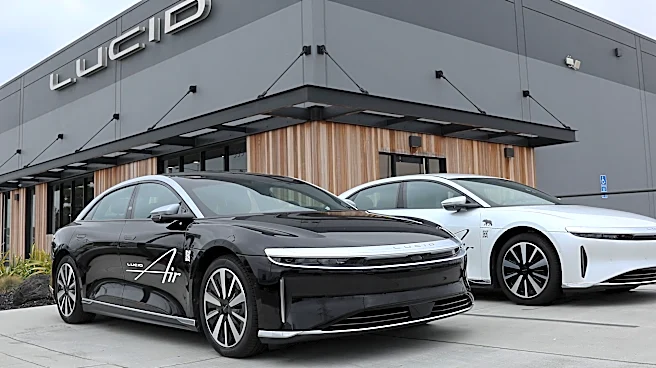
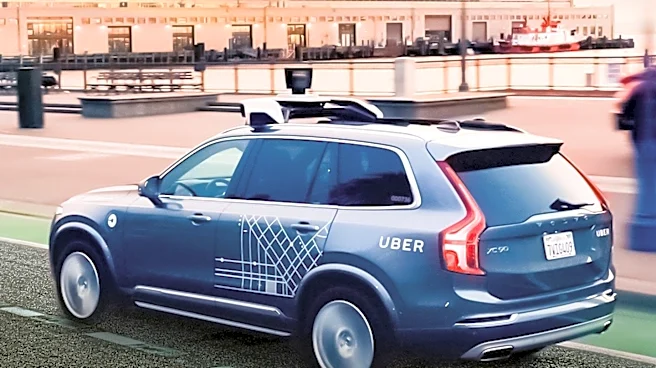
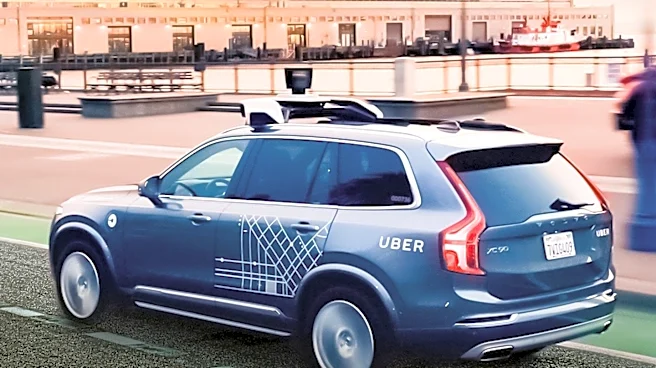
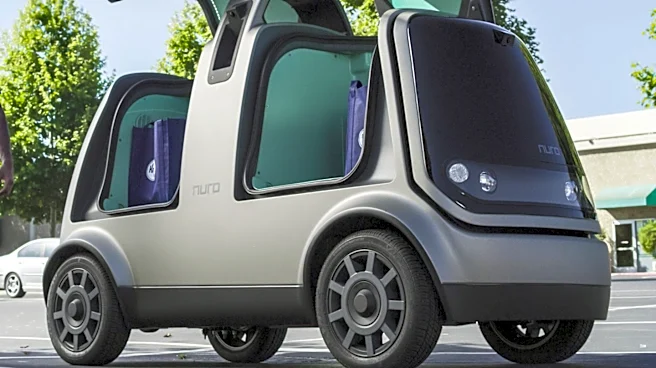
Uber Technologies, Inc., in collaboration with Nuro, Inc., and Lucid Group, Inc., has commenced fully driverless vehicle testing on public roads within the San Francisco Bay Area. This initiative marks a significant step in the advancement of autonomous
vehicle technology and its integration into urban environments. The companies announced the start of these operations, indicating a move towards deploying self-driving capabilities in a real-world setting. This development follows ongoing efforts by various technology and automotive firms to bring autonomous driving to commercial viability, focusing on safety, efficiency, and regulatory compliance. The San Francisco Bay Area serves as a key testing ground due to its complex urban landscape and supportive technological ecosystem.
Why It's Important?
The commencement of driverless testing by Uber, Nuro, and Lucid holds substantial importance for the future of transportation and technology in the U.S. This collaboration could accelerate the development and deployment of autonomous vehicles, potentially transforming ride-sharing, logistics, and personal transportation sectors. For Uber, integrating driverless technology could significantly reduce operational costs associated with human drivers, impacting its business model and profitability. For Nuro, a company focused on autonomous delivery, and Lucid, an electric vehicle manufacturer, this testing provides crucial data and real-world validation for their respective autonomous systems. Success in these trials could set precedents for regulatory frameworks and public acceptance of driverless technology across other U.S. cities, influencing urban planning, infrastructure development, and employment in the transportation industry.
What's Next?
Following the initiation of driverless testing, the next phase will likely involve extensive data collection and analysis to refine the autonomous systems. The companies will focus on evaluating vehicle performance, safety protocols, and passenger or cargo interactions in diverse traffic and environmental conditions. Regulatory bodies will closely monitor these tests, potentially leading to new guidelines or amendments to existing regulations governing autonomous vehicles. Public perception and acceptance will also be critical, with companies likely engaging in public awareness campaigns to build trust. Future expansions could include increasing the operational area, integrating more vehicles into the fleet, and eventually moving towards commercial deployment of driverless services, pending successful testing and regulatory approvals.
Beyond the Headlines
The deployment of driverless vehicles by these companies extends beyond mere technological advancement; it touches upon broader societal and ethical considerations. Issues such as job displacement for human drivers, the legal framework for liability in autonomous vehicle accidents, and the ethical programming of AI in decision-making scenarios will become increasingly prominent. Furthermore, the environmental impact of widespread autonomous electric vehicles, potential changes in urban mobility patterns, and the accessibility of transportation for various demographics will be significant long-term implications. This testing phase represents a critical juncture in shaping the future of urban living and the relationship between technology and society, prompting deeper discussions on policy, ethics, and economic restructuring.