
What's Happening?
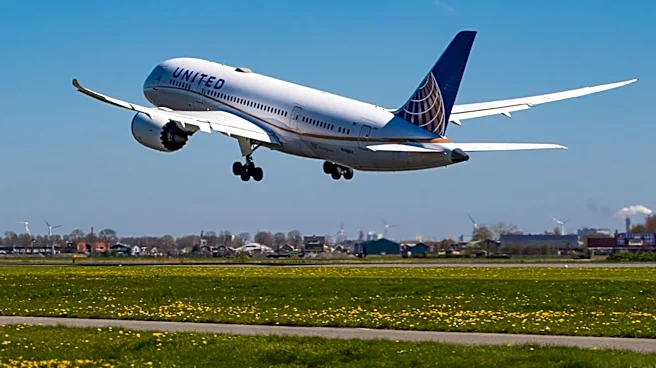
United Airlines has updated its Contract of Carriage to prohibit passengers from using third-party AI agents, such as OpenAI’s Dots and Meta’s Muse, for booking, changing, or managing flights. This policy
applies even if the passenger is supervising the transaction. Violating this new rule can lead to the cancellation of trips without notice, confiscation of frequent flyer miles, and denial of boarding. The airline justifies this ban by citing concerns over data security, the risk of 'unintended purchases,' and federal regulations that require passengers to personally confirm their bags do not contain explosives during check-in. This move comes amidst a broader trend in the travel industry where airlines have increasingly automated customer service roles with their own AI systems.
Why It's Important?
This policy change by United Airlines highlights a growing tension between corporations and consumers regarding the use of artificial intelligence. While airlines have adopted AI to streamline operations and reduce human customer service, they are now restricting passengers from using their own AI tools to navigate complex booking processes or find better deals. This creates a double standard where companies leverage AI for their benefit, but disallow consumers from doing the same. The ban could significantly impact travelers who rely on AI agents to manage their travel, potentially making it harder to find optimal fares, apply credits, or rebook flights, thereby reinforcing the airline's control over the customer experience and pricing strategies.
What's Next?
The ban by United Airlines is likely to be observed by other industries, including banks, retailers, and hotels, potentially leading to similar restrictions on consumer-side AI usage. This could spark a broader debate about consumer rights in the age of AI and the ethical implications of companies selectively applying AI technology. Passengers may face increased challenges in managing their travel independently, potentially leading to greater reliance on airline-controlled systems or a return to more traditional, often less efficient, methods of customer interaction. The long-term impact could be a shift in how consumers interact with service industries, with companies maintaining a dominant position in AI adoption and usage.
Beyond the Headlines
The core issue extends beyond mere convenience; it touches upon the power dynamics between corporations and individuals in the digital age. By banning third-party AI, United Airlines is effectively preventing consumers from using tools that could level the playing field against the sophisticated AI systems airlines use for dynamic pricing and customer management. This raises questions about digital autonomy and whether consumers should have the right to employ technology to advocate for their own interests, especially when companies are simultaneously reducing human support. The situation underscores a potential future where access to advanced AI tools becomes a battleground for consumer advocacy and fair market practices.