




What's Happening?
A new beauty trend, dubbed 'tired girl make-up,' is gaining significant traction, particularly among Generation Z. This aesthetic celebrates natural skin texture, subtle dark circles, smudged eye makeup, and a slightly messy finish, moving away from the previously
popular 'clean girl' aesthetic that emphasized a polished and fresh look. The trend suggests that individuals do not need to conceal every dark circle or correct every perceived imperfection. It reflects a broader shift towards alternative beauty styles, including grunge and gothic looks, indicating a desire for more character, experimentation, and freedom in makeup application. This approach contrasts with years of minimalist makeup, promoting a more relaxed and authentic presentation.
Why It's Important?
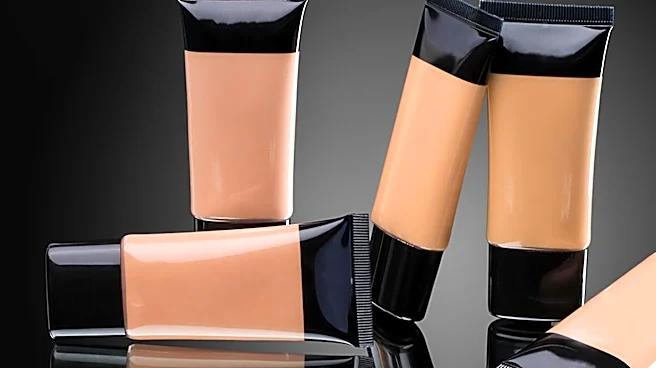
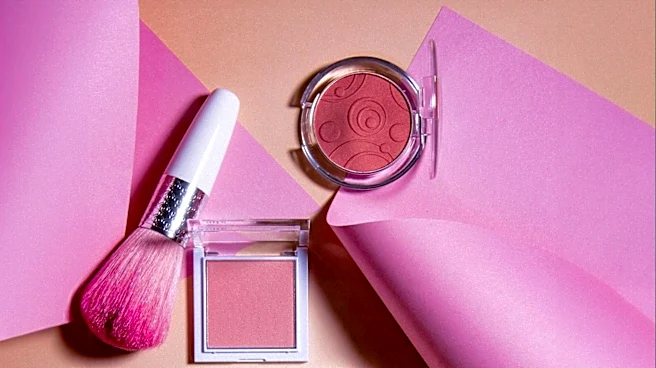
This emerging beauty trend signifies a notable shift in societal beauty standards, particularly impacting the cosmetics industry and consumer behavior in the U.S. The embrace of 'tired girl make-up' challenges the long-standing pressure to achieve flawless, 'perfect' skin, potentially reducing demand for heavy coverage foundations, concealers, and extensive color-correcting products. Instead, it may boost interest in products that enhance natural features, such as subtle eyeliners, cream blushes, and lip balms in natural shades. For consumers, this trend offers a liberating alternative, promoting self-acceptance and reducing the time and effort traditionally associated with elaborate beauty routines. Brands that adapt to this shift by offering products that support a more natural, less 'perfected' look stand to gain, while those heavily invested in the 'flawless' aesthetic may need to re-evaluate their marketing strategies.
Beyond the Headlines
The 'tired girl make-up' trend extends beyond mere aesthetics, touching upon deeper cultural and psychological implications. It can be seen as a form of rebellion against unrealistic beauty ideals often perpetuated by social media and advertising, fostering a more inclusive definition of beauty. By normalizing visible signs of fatigue or natural imperfections, it encourages a healthier relationship with one's appearance and potentially reduces body image pressures. This movement aligns with a growing desire for authenticity and individuality, suggesting a broader cultural shift where vulnerability and realness are valued over curated perfection. It also highlights the cyclical nature of beauty trends, where minimalist phases often give way to more expressive and experimental styles, reflecting evolving societal attitudes towards self-expression and identity.