



What's Happening?
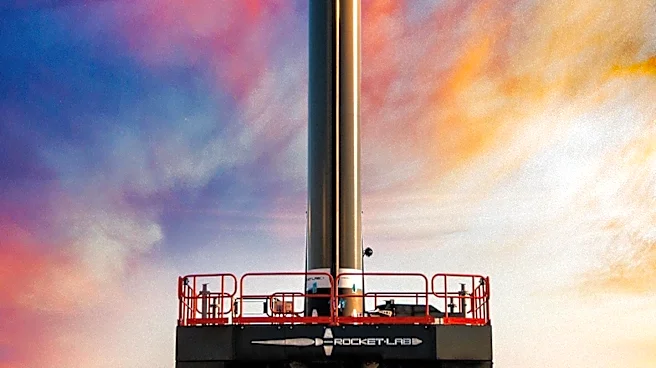
Rocket Lab's Chief Financial Officer, Adam Spice, anticipates a potential increase in pricing for the company's Electron launches within the next six to nine months. This projection comes as satellite operators are reportedly finding it increasingly difficult
to secure rideshare slots on SpaceX's Falcon 9 for missions scheduled in 2029 and beyond. According to Spice, the tightening availability in SpaceX's Transporter and Bandwagon rideshare programs is compelling mission planners to seek alternative launch solutions much earlier than their satellites are ready for flight. SpaceX's rideshare missions, which allow operators to purchase space on a shared Falcon 9 starting at $350,000 for a 50-kilogram payload to sun-synchronous orbit, have reportedly stopped accepting new reservations past late 2028 or early 2029. This situation is expected to drive demand towards Rocket Lab's dedicated Electron launches, which offer customers greater control over launch dates and destinations. Rocket Lab booked a record 54 launches in the third quarter across its Electron, HASTE, and Neutron programs, with customers already paying higher prices on new orders.
Why It's Important?
This development is significant for the U.S. space launch industry, indicating a potential shift in market dynamics and pricing power. As SpaceX's rideshare capacity becomes constrained, Rocket Lab stands to benefit from increased demand for its Electron rockets, positioning it as a primary alternative for satellite operators. This could lead to higher revenues and improved financial performance for Rocket Lab, which recently saw its shares jump over 9% in pre-market trading. The anticipated price hike for Electron launches reflects a growing demand for dedicated launch services and less reliance on shared missions, offering greater flexibility and control to satellite operators. This trend could also spur further investment in Rocket Lab's production capabilities, as CEO Peter Beck noted the existing Electron line is designed for 52 rockets annually, with potential expansion to 100 units within two years with additional factory space and skilled technicians. The competitive landscape is evolving, with Rocket Lab's Neutron rocket also being positioned as a valuable option even with Starship's potential availability.
What's Next?
Rocket Lab expects satellite operators planning missions for the end of the decade to actively seek alternatives in the second half of 2027, which would provide the company with an opportunity to raise prices well before those satellites are ready for launch. The company's CFO, Adam Spice, believes Electron is the 'next best alternative' to SpaceX's Transporter or Bandwagon programs, which are becoming less accessible. This anticipated increase in demand and pricing could further bolster Rocket Lab's financial outlook and market position. On the production front, Rocket Lab may consider expanding its factory space by 50,000 to 75,000 square feet to increase Electron output to approximately 100 rockets annually within two years. However, the primary challenge for this expansion would be securing enough skilled technicians rather than machinery. The company will likely continue to emphasize the value proposition of its dedicated Electron launches and the upcoming Neutron rocket in a competitive market.
Beyond the Headlines
The evolving landscape in the small satellite launch market highlights a broader trend towards diversification in space access. While SpaceX has significantly driven down launch costs, the increasing demand for dedicated or more flexible launch options is creating opportunities for companies like Rocket Lab. This situation underscores the importance of redundancy and varied launch solutions for satellite operators, particularly as the number of satellites being deployed continues to grow. The potential for Rocket Lab to increase its launch prices could also influence the overall cost structure for deploying small satellites, potentially impacting the business models of satellite constellation operators. Furthermore, the emphasis on hiring skilled technicians for increased production points to a growing need for specialized labor in the aerospace manufacturing sector, which could have implications for workforce development and STEM education initiatives in the U.S.