







What's Happening?
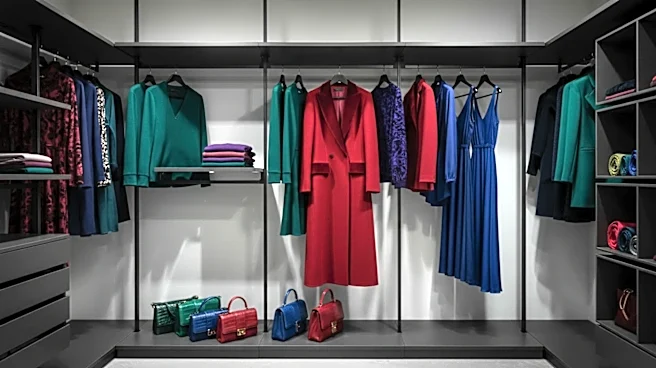
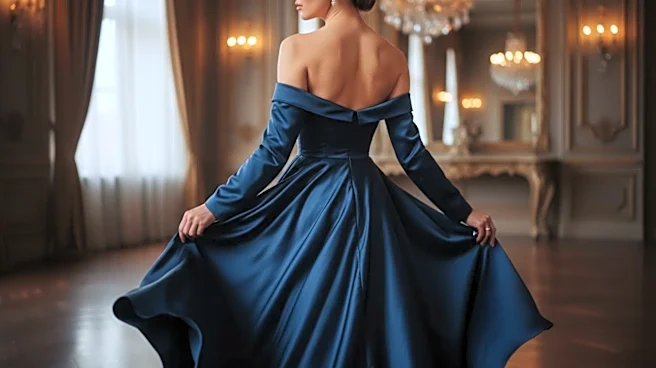
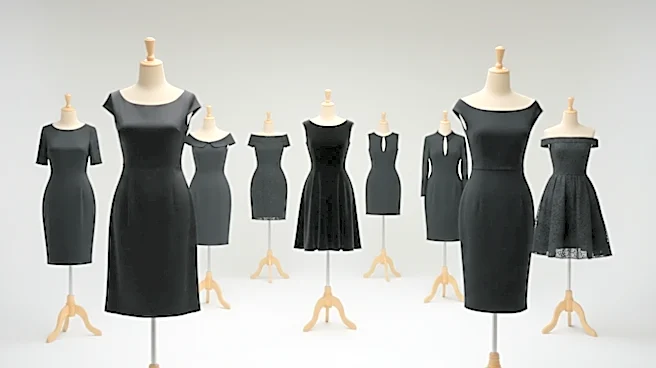
The Curvy Fashionista has published a guide offering style tips for expectant mothers on how to make existing wardrobes work during pregnancy. The article emphasizes the importance of choosing fluid silhouettes, such as A-line dresses and trapeze shapes,
which accommodate changing body shapes without the need for maternity-specific clothing. It also highlights the use of stretch knitwear, oversized shirts, and wrap dresses as versatile options that can adapt to a growing midsection. The guide suggests practical strategies like layering oversized shirts and using elastic waistbands to maintain comfort and style. The focus is on utilizing existing wardrobe pieces to manage the economic strain of pregnancy while maintaining a personal aesthetic.
Why It's Important?
This guide is significant as it addresses the financial pressures faced by expectant parents, particularly the high cost of childcare, which can exceed $15,000 annually. By offering practical fashion advice, the article provides a way for pregnant individuals to manage their wardrobe without incurring additional expenses. This approach not only helps in financial planning but also supports personal style and confidence during pregnancy. The emphasis on investment-grade basics and versatile clothing pieces reflects a broader consumer trend towards sustainable and cost-effective fashion choices. This trend is particularly relevant in the current economic climate, where many families are re-evaluating their spending priorities.
What's Next?
As the fashion industry continues to evolve, there may be an increased focus on creating adaptable clothing lines that cater to the needs of expectant mothers. Designers might explore more inclusive sizing and versatile designs that can transition from pregnancy to postpartum. Retailers could also expand their offerings of investment-grade basics that provide long-term value. Additionally, the growing interest in sustainable fashion may lead to more innovative solutions for wardrobe adaptability, reducing the need for frequent purchases and promoting environmental responsibility.
Beyond the Headlines
The guide's emphasis on using existing wardrobe pieces highlights a shift towards more sustainable fashion practices. This approach not only benefits individual consumers but also contributes to reducing the environmental impact of fast fashion. By encouraging the use of versatile and high-quality clothing, the article aligns with a broader movement towards conscious consumerism. This trend may influence future fashion industry practices, encouraging brands to prioritize durability and adaptability in their designs.