


What's Happening?
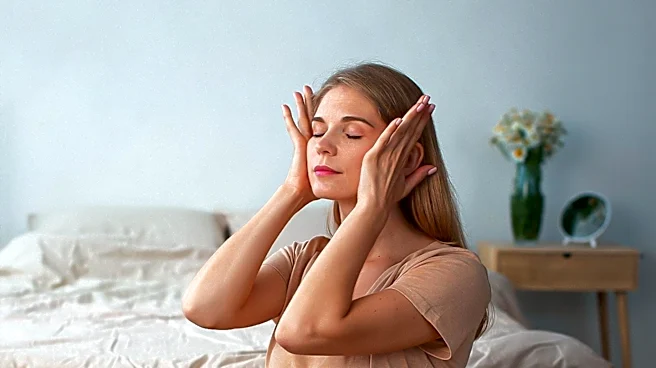
Alice Daffonchio, a facial yoga instructor and holistic beauty expert, advocates for facial yoga as a non-invasive self-care practice aimed at improving facial tone and appearance. She emphasizes that facial yoga combines exercises to mobilize facial muscles
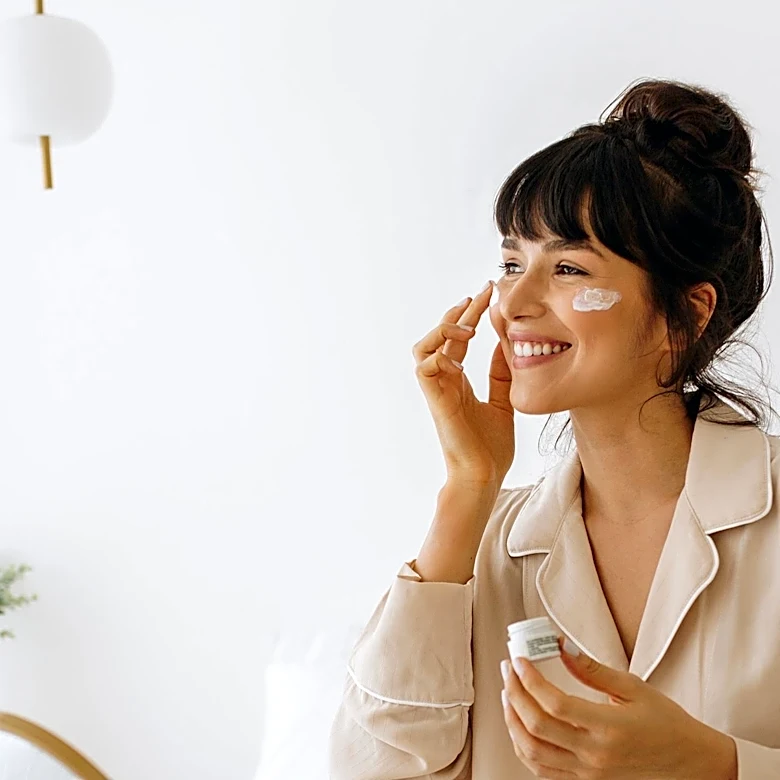
with self-massage and relaxation techniques. Daffonchio integrates principles from holistic beauty and traditional Chinese medicine, including practices like gua sha and facial massage, to stimulate the area, promote drainage, and reduce puffiness. She stresses the importance of regular, consistent practice over sporadic, lengthy sessions, suggesting that dedicating a few minutes daily is more effective. Daffonchio also highlights the need for realistic expectations, stating that while facial yoga can lead to visible improvements, it cannot halt the aging process or restore the face to its appearance decades prior.
Why It's Important?
The growing interest in non-invasive beauty and wellness practices in the U.S. makes facial yoga, as promoted by Alice Daffonchio, particularly relevant. As consumers increasingly seek natural alternatives to cosmetic procedures, Daffonchio's approach offers a method for self-care that aligns with holistic health trends. Her emphasis on consistency and realistic outcomes provides a grounded perspective in an industry often characterized by exaggerated claims. This approach can empower individuals to take a proactive role in their well-being and appearance, fostering a healthier relationship with aging. For the beauty and wellness industry, it signals a demand for practices that offer tangible benefits without resorting to invasive methods, potentially influencing product development and service offerings that support such routines.
What's Next?
As awareness of facial yoga and holistic beauty practices grows, it is likely that more individuals will explore these methods as part of their daily self-care routines. Alice Daffonchio's advocacy for consistency and realistic expectations may help shape public perception of anti-aging practices, moving away from quick fixes towards sustainable habits. This could lead to an increase in demand for facial yoga instructors, workshops, and related products like gua sha tools. The integration of traditional Chinese medicine techniques into mainstream wellness also suggests a continued trend towards diverse, culturally-informed health practices. Future developments may include more scientific research into the efficacy of facial yoga and its specific techniques, further solidifying its place within the broader wellness landscape.
Beyond the Headlines
Beyond its aesthetic benefits, facial yoga, as described by Alice Daffonchio, delves into deeper psychological and cultural dimensions of aging and self-perception. Daffonchio views the face as a 'map of our physical and emotional health,' suggesting that facial expressions and tensions reflect inner states. This perspective encourages a more mindful approach to self-care, where addressing facial tension becomes a way to acknowledge and release emotional stress. It challenges the prevailing cultural narrative that often frames aging as something to be aggressively fought against, instead promoting acceptance and a healthier relationship with one's evolving appearance. By focusing on self-awareness and consistent, gentle care, facial yoga offers a pathway to reconcile with the natural process of aging, fostering a sense of inner peace and self-acceptance rather than solely pursuing external perfection.