





What's Happening?
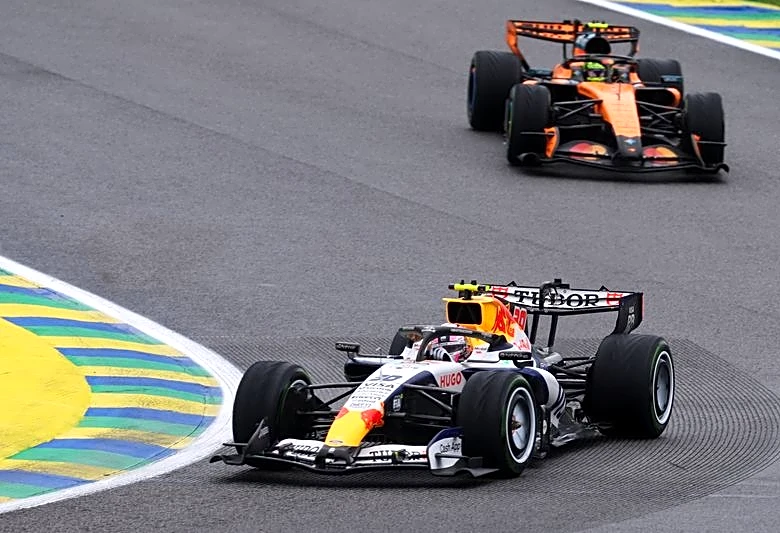
Racing Bulls CEO Peter Bayer has indicated that while Liam Lawson has performed sufficiently to retain his Formula 1 seat for 2027, the team's core mission as a talent developer means his position is not guaranteed. This statement comes after Lawson's
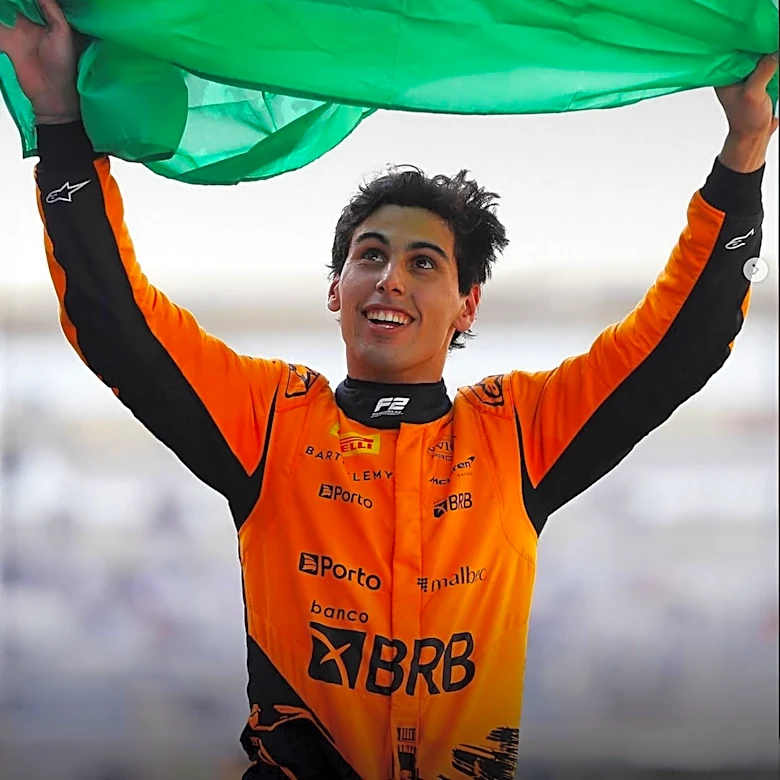
impressive recovery drive to P7 in Mexico City, despite starting from the pit lane and benefiting from penalties to other drivers, including Franco Colapinto. Bayer highlighted the strong performance of Nikola Tsolov, who replaced Lawson during FP1 in Mexico and impressed in F2, as a potential threat to Lawson's future with the Red Bull sister team. Bayer praised Tsolov's FP1 debut, where he finished P12, just one-tenth off his teammate. The final decision on the 2027 driver lineup rests with team principal Alan Permane, who will announce it when he deems appropriate. Bayer emphasized Racing Bulls' history of bringing 22 drivers into Formula 1, including notable names like Sebastian Vettel and Max Verstappen.
Why It's Important?
This situation underscores the intense competition and high-stakes environment within Formula 1, particularly for emerging talents in feeder teams like Racing Bulls. For Liam Lawson, despite demonstrating strong on-track performance, the team's strategic focus on continuous talent development creates uncertainty. This dynamic means that even successful drivers must constantly prove their worth against a pipeline of promising young talent. The emphasis on promoting new drivers could lead to a more fluid driver market, potentially offering opportunities for new faces but also increasing pressure on established, yet still developing, drivers. This approach by Racing Bulls, a key developer for Red Bull, influences the broader F1 landscape by consistently introducing new talent, which can shift team dynamics and competitive balances across the grid. The decision will impact not only Lawson's career trajectory but also the strategic direction of Racing Bulls and potentially other teams looking for new talent.
What's Next?
The immediate future for Liam Lawson remains uncertain, with the decision on his 2027 F1 seat pending an announcement from Racing Bulls team principal Alan Permane. Lawson himself acknowledges the lack of assurance regarding his future, stating he is doing his best but recognizes the tough nature of the sport. Nikola Tsolov's strong performance in FP1 and F2 positions him as a significant contender for a future F1 seat, potentially at Racing Bulls. The team's commitment to its role as a talent developer suggests that new drivers will continue to be evaluated and potentially promoted. This ongoing evaluation process will likely keep the F1 driver market active, with other teams monitoring the situation for potential opportunities to sign either Lawson or other emerging talents from the Red Bull junior program. The upcoming F1 season and driver performances will be crucial in shaping these decisions.
Beyond the Headlines
The Racing Bulls' strategy of prioritizing continuous talent development, even at the expense of seemingly performing drivers, highlights a broader philosophical approach in elite sports. This model, which has successfully launched careers for multiple F1 champions, suggests that a constant influx of fresh talent is seen as more beneficial than long-term stability for individual drivers within the feeder team. This could lead to a more ruthless environment where drivers are under immense pressure to perform immediately and consistently, with little room for error or extended development periods. It also raises questions about the balance between nurturing talent and securing consistent performance, and how this impacts driver loyalty and team cohesion. The emphasis on 'leading developer of talent' could also be a strategic move to maintain a competitive edge by always having a strong pool of drivers ready for the senior Red Bull team or to be sold to other F1 teams.