





What's Happening?
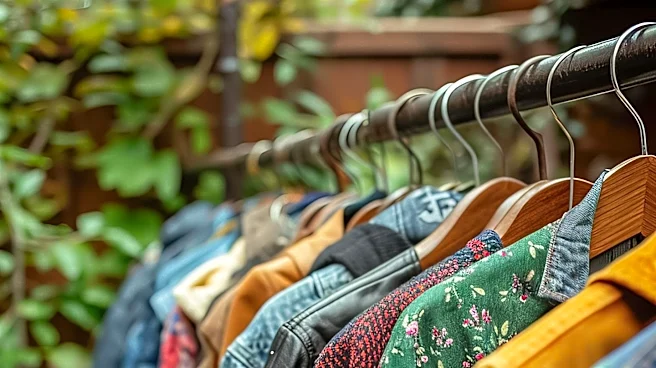
The second-hand fashion market is undergoing rapid expansion, fueled by increasing consumer preferences for sustainability and fast-changing tastes. This growth is significantly reshaping various industries by promoting resale, reuse, and circular consumption
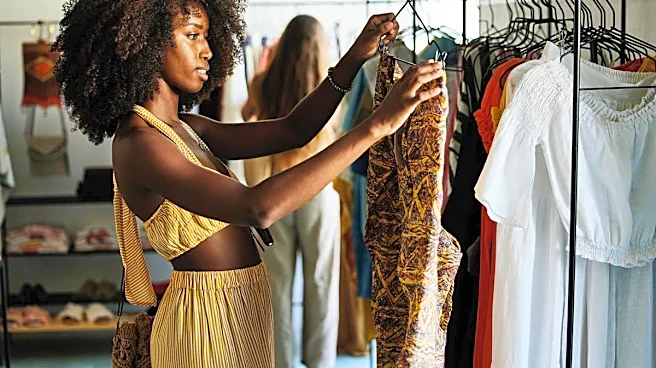
models, particularly within the retail and fashion sectors for clothing, shoes, and accessories. In North America, the United States is a leading market due to its high digital adoption rates and strong demand for fashion, electronics, and luxury goods. European countries such as Germany, France, the U.K., Italy, and Russia are also demonstrating robust demand for circular commerce, premium used items, and peer-to-peer resale platforms. This trend has made thrifted fashion increasingly popular among Gen Z, influenced by social media, environmental consciousness, and the desire for unique vintage pieces. Thrifting offers an affordable and eco-friendly shopping alternative, expanding consumer choices and fostering creative personal styles.
Why It's Important?
The surge in the second-hand fashion market holds significant implications for U.S. industries, particularly retail and e-commerce. This shift indicates a broader consumer movement towards sustainable practices and value-driven purchasing, which could pressure traditional fast fashion retailers to adapt their business models. Companies that embrace circular economy principles, such as offering resale programs or utilizing recycled materials, stand to gain market share and enhance brand loyalty. Conversely, businesses heavily reliant on new product sales and rapid consumption cycles may face challenges. The growth of this market also creates new opportunities for technology and logistics companies that can support authentication, shipping, and platform management for pre-owned goods. Economically, it promotes a more efficient use of resources, potentially reducing waste and extending product lifecycles, which aligns with broader environmental goals and could influence policy discussions around sustainable consumption and waste management.
What's Next?
The second-hand fashion market is expected to continue its upward trajectory, with further innovation in authentication technologies, recommendation engines, and social commerce features. Platforms will likely focus on enhancing user experience, improving logistics for returns and inspections, and building trust between buyers and sellers to overcome challenges like quality uncertainty and fraud risk. We can anticipate increased partnerships between established brands and resale platforms, as well as the expansion of subscription-based resale services. Data analytics will play a crucial role in matching supply with demand, optimizing pricing, and personalizing recommendations for consumers. Regulatory bodies may also introduce new guidelines concerning consumer protection, data privacy, and the trade of pre-owned goods, further shaping the market's evolution. The continued influence of social media and Gen Z's purchasing power will likely drive further adoption and normalization of second-hand shopping.
Beyond the Headlines
Beyond the immediate economic and retail impacts, the rise of second-hand fashion signifies a deeper cultural and ethical shift in consumer behavior. It challenges the traditional linear consumption model of 'buy, use, dispose' by promoting a circular economy where products are valued for their longevity and potential for reuse. This movement fosters a more conscious approach to consumption, encouraging individuals to consider the environmental and social impact of their purchases. The emphasis on unique, vintage pieces also reflects a desire for individuality and authenticity, moving away from mass-produced trends. Ethically, it addresses concerns about textile waste and the environmental footprint of the fashion industry. This cultural embrace of 'thrifting' as 'cool' could lead to long-term changes in societal perceptions of ownership, value, and sustainability, potentially influencing other sectors to adopt similar circular models and fostering a broader appreciation for pre-owned goods.