


What's Happening?
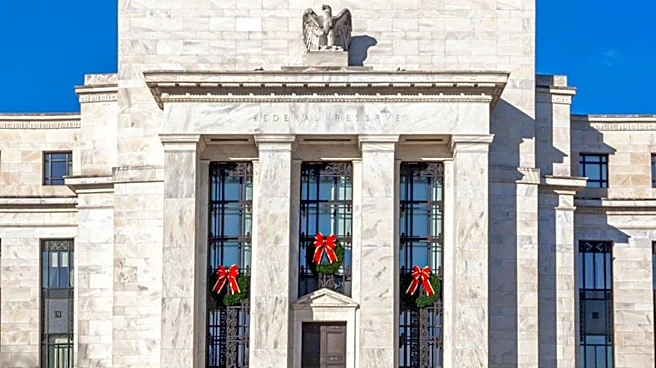
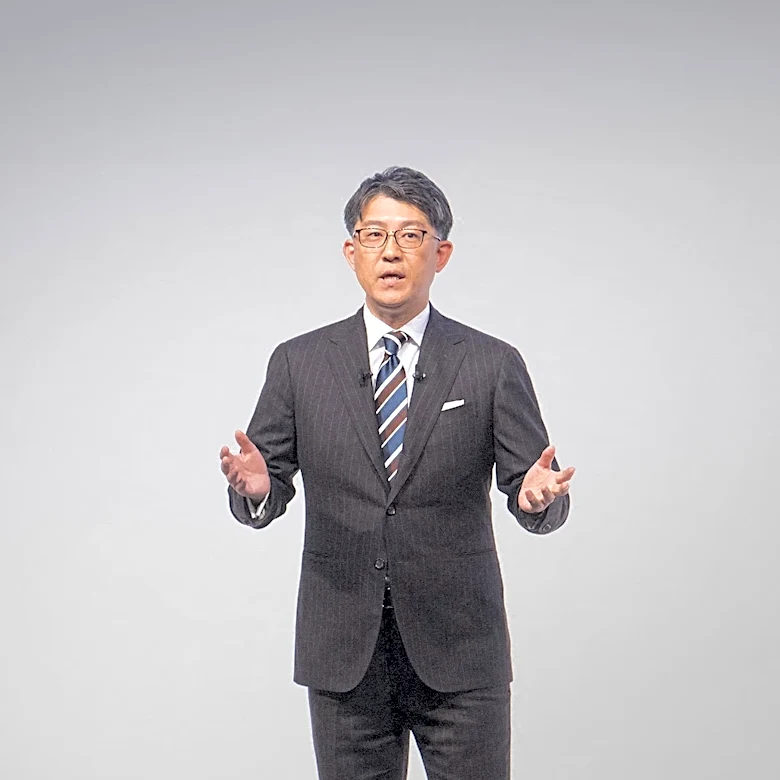
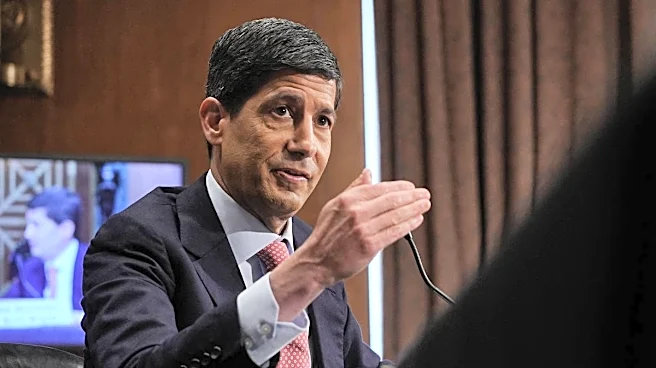
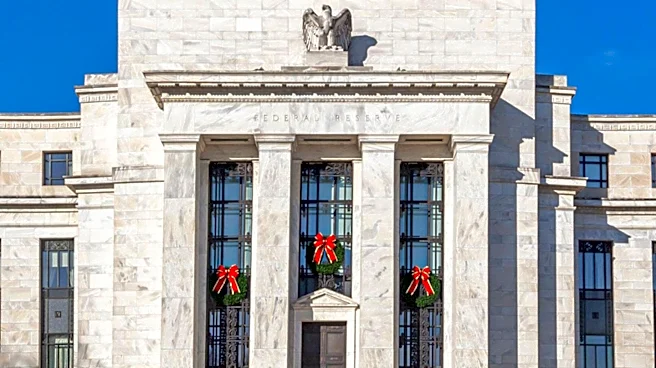
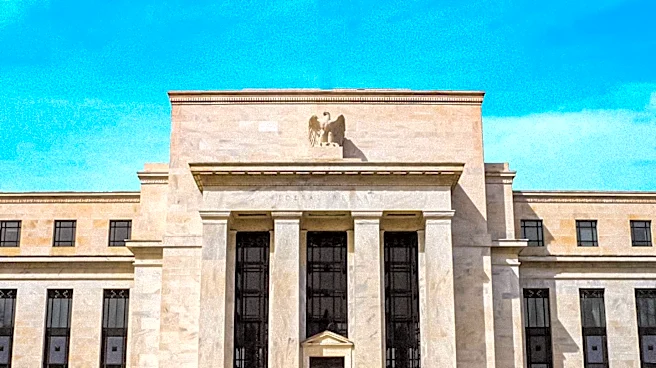
The Federal Open Market Committee (FOMC) is facing heightened stakes under the leadership of new Federal Reserve Chairman Kevin Warsh. Unlike his predecessors, Warsh is introducing a strategy of maximum uncertainty, leaving markets more volatile. This
approach involves keeping each Fed meeting 'live,' allowing policymakers to make decisions based on the most current data available. This week's meeting is particularly significant as it coincides with the release of the Personal Consumption Expenditures (PCE) report, which is due the day after the Fed's decision. The market is currently pricing in a 36% chance of a rate hike, with further hikes anticipated in September. Warsh's strategy is a departure from the previous chairs who aimed to reduce volatility by providing clear guidance on rate moves.
Why It's Important?
Warsh's approach could have significant implications for the U.S. economy and financial markets. By fostering an environment of uncertainty, the Fed may inadvertently increase market volatility, affecting investor confidence and stock market stability. This strategy could also impact the U.S. dollar and bond yields, as markets adjust to the lack of clear guidance. The potential for unexpected rate hikes could lead to increased borrowing costs, affecting businesses and consumers. Additionally, the Fed's ability to manage inflation expectations in real-time is challenged by fluctuating oil prices and an ongoing capital expenditure boom in AI and data centers, which could have inflationary effects.
What's Next?
The immediate focus will be on the outcome of the FOMC meeting and Warsh's subsequent press conference. Market participants will be closely watching for any hints of future rate hikes or changes in monetary policy. The Fed's handling of the PCE report and its implications for inflation will also be critical. In the longer term, the market will need to adapt to Warsh's strategy of uncertainty, which could lead to more frequent adjustments in expectations and increased volatility. Stakeholders, including businesses and investors, will need to navigate this new landscape, potentially leading to shifts in investment strategies and economic planning.