






What's Happening?
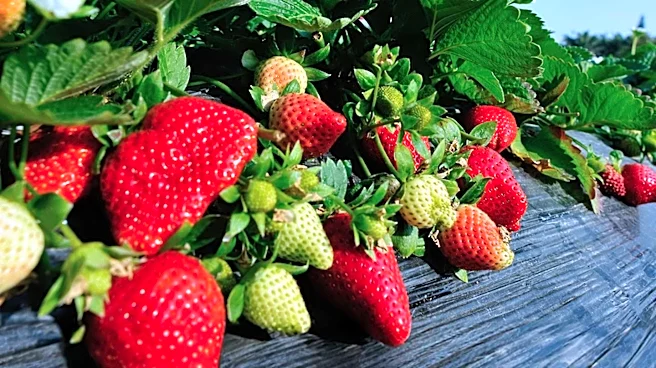
A recent gardening segment has highlighted the utility of strawberries as an edible ground cover in gardens. This approach offers multiple benefits, including the reduction of weeds, stabilization of soil temperature, and conservation of moisture. The
segment differentiated between June-bearing and day-neutral or everbearing strawberry varieties, providing examples such as Mara des Bois, Gasana F1, Pineberry, and Tarpan F1. It also discussed their growth habits, noting whether they produce runners or grow in clumps. Essential care guidelines were provided, emphasizing the need for full sun exposure, moist, well-drained soil in USDA zones 3–9. Additionally, the segment advised on frost protection methods, such as using floating row covers and leaf mulch, and addressed common wildlife challenges from birds, slugs, and chipmunks. Harvesting advice focused on picking strawberries when they are most fragrant, just before reaching full color, to ensure optimal taste and quality. This information aims to help gardeners create resilient beds that balance effective ground cover with seasonal harvests.
Why It's Important?
The promotion of strawberries as an edible ground cover is significant for home gardeners and sustainable landscaping practices across the U.S. By reducing weed growth, gardeners can minimize their reliance on chemical herbicides, leading to healthier soil and ecosystems. The ability of strawberries to regulate soil temperature and retain moisture can also decrease water consumption, which is particularly beneficial in regions facing drought conditions or water restrictions. This method offers an environmentally friendly alternative to traditional mulching materials, providing both ecological benefits and a food source. For individuals interested in self-sufficiency and reducing their carbon footprint, integrating edible ground covers like strawberries can enhance garden productivity and sustainability. Furthermore, the educational aspect of distinguishing between different strawberry types and their care requirements empowers gardeners to make informed choices, fostering more successful and resilient edible landscapes.
What's Next?
Gardeners are encouraged to consider incorporating strawberries as ground cover in their planting schemes, utilizing the provided guidance on variety selection and care. The information on frost protection and wildlife management will be crucial for successful cultivation, especially as seasons change. Local nurseries and gardening centers may see an increased demand for specific strawberry cultivars mentioned, such as Mara des Bois or Pineberry, as gardeners seek to implement these practices. Educational workshops and online resources are likely to further disseminate these sustainable gardening techniques, potentially leading to a broader adoption of edible ground covers. Continued research into other suitable edible ground cover plants could also emerge, expanding the options available to gardeners looking to maximize their garden's efficiency and ecological benefits.
Beyond the Headlines
The concept of edible ground cover extends beyond just strawberries, hinting at a broader shift towards more functional and sustainable landscaping. This approach challenges traditional ornamental gardening by integrating food production directly into the landscape, blurring the lines between aesthetics and utility. It reflects a growing interest in permaculture principles and food security, where every plant serves multiple purposes. Ethically, it promotes a more harmonious relationship with nature, reducing waste and fostering biodiversity. Culturally, it could lead to a resurgence of home gardening and community food initiatives, transforming urban and suburban spaces into productive ecosystems. This trend also has implications for public health, encouraging fresh food consumption and physical activity. The long-term impact could be a more resilient food system, less dependent on industrial agriculture and more connected to local communities.