




What's Happening?
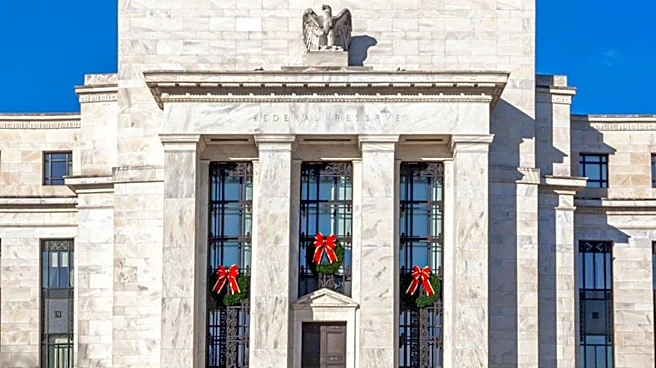
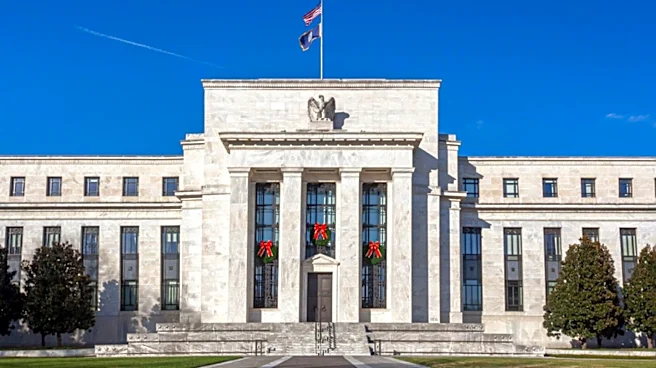
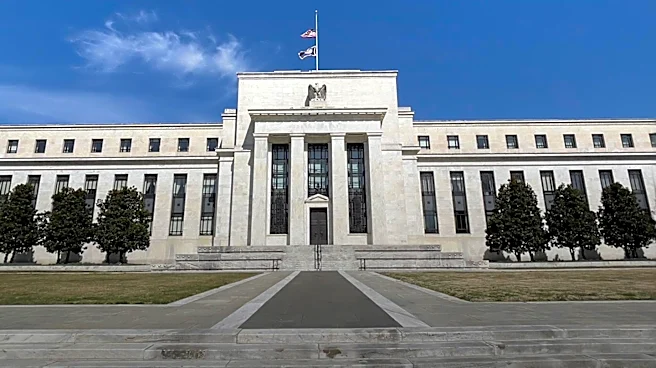
The Federal Reserve is anticipated to raise interest rates in response to ongoing inflation concerns, as indicated by futures traders and the bond market. The federal funds futures market suggests a 61% probability of at least two quarter-point rate hikes
by the end of the year. The bond market, particularly the two-year Treasury yield, reflects expectations of a 0.7 percentage point increase in rates, aligning with the potential for multiple rate hikes. This outlook is influenced by recent inflation data, which showed a decrease primarily due to a drop in energy costs. However, with energy prices rising again following geopolitical tensions, the market anticipates further rate adjustments to manage inflation.
Why It's Important?
The Federal Reserve's decision to potentially raise interest rates is significant for the U.S. economy as it directly impacts borrowing costs for consumers and businesses. Higher rates could slow economic growth by increasing the cost of loans, affecting sectors such as housing and consumer spending. Conversely, it could help control inflation, which has been a persistent issue. The Fed's actions are closely watched by investors and policymakers, as they influence financial markets and economic stability. The decision also reflects the Fed's commitment to its dual mandate of promoting maximum employment and stable prices.
What's Next?
The Federal Reserve's upcoming meetings will be crucial in determining the trajectory of interest rates. If inflation remains high, further rate hikes could be implemented, potentially leading to tighter financial conditions. Stakeholders, including businesses and consumers, will need to adjust to the changing economic environment. Additionally, geopolitical developments, such as energy price fluctuations, will continue to play a role in shaping the Fed's policy decisions. The market will closely monitor the Fed's communications for any indications of future policy shifts.