








What's Happening?
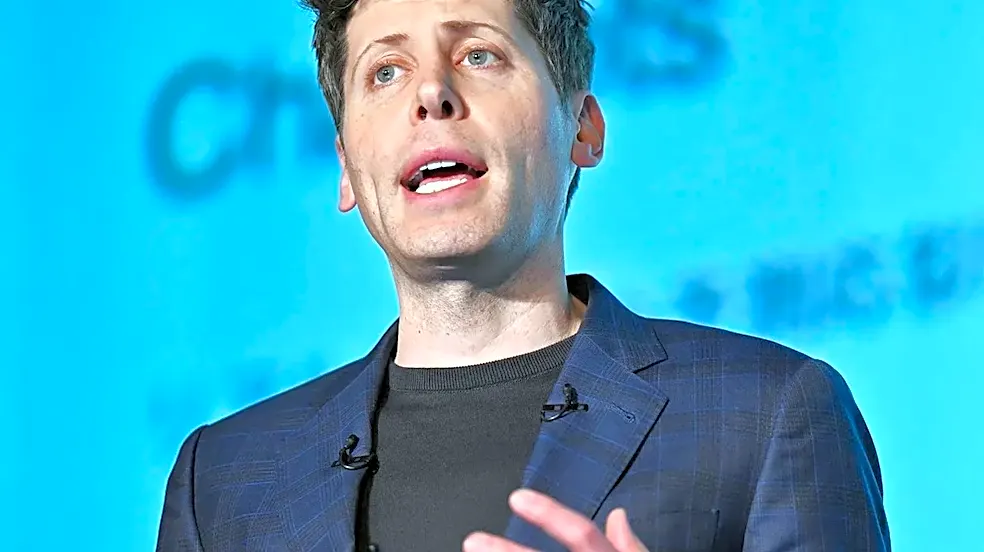
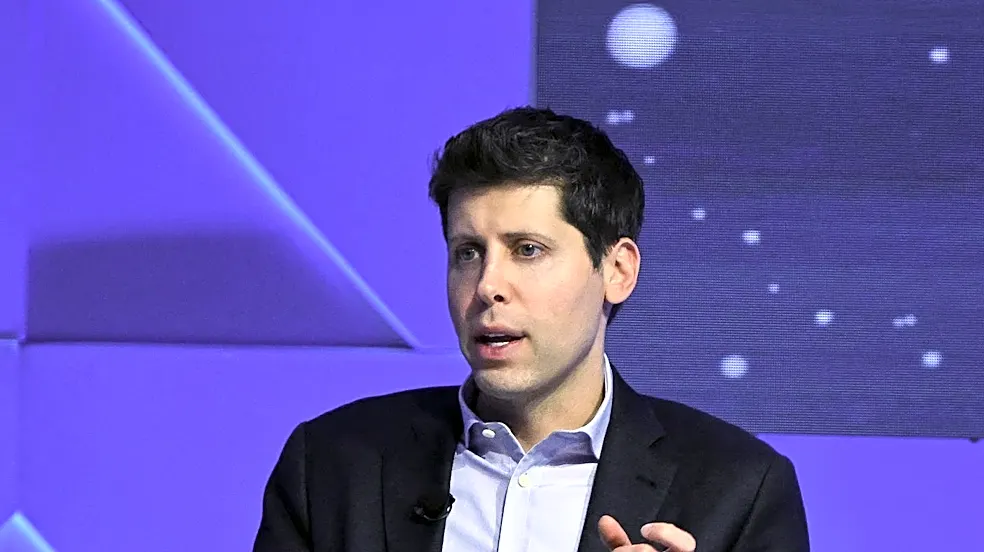
Sam Altman, CEO of OpenAI, has predicted the emergence of 'one-person unicorn' companies, valued at a billion dollars, made possible by advancements in artificial intelligence. This vision suggests that AI will enable individuals to achieve unprecedented
levels of productivity and responsibility, leading to highly valuable companies without extensive human teams. However, David Burt, Director of Entrepreneurship at UNSW Sydney, expresses skepticism about this prediction. Burt, who leads UNSW Founders and has extensive experience with startups, believes that while AI significantly enhances individual capabilities, the idea of a single person creating and running a billion-dollar company without any human assistance is unrealistic in the near future. He notes that investors still prioritize teams, as they seek accountability, shared risk, and continuity, which a sole founder cannot fully provide. Burt highlights that even with AI, companies still require human collaboration, albeit with reduced team sizes compared to pre-AI eras.
Why It's Important?
The debate surrounding 'one-person unicorns' is significant for the future of entrepreneurship, investment strategies, and the broader economic landscape. If Altman's vision were to fully materialize, it could drastically alter traditional business models, potentially leading to a more atomized workforce and a redefinition of what constitutes a successful enterprise. However, Burt's counter-argument underscores the enduring value of human collaboration, team dynamics, and shared responsibility in building sustainable and scalable businesses. This discussion impacts how venture capitalists allocate funds, how aspiring entrepreneurs plan their ventures, and how educational institutions prepare future business leaders. It also raises questions about the societal implications of extreme automation and the potential for increased cognitive load and stress on individuals attempting to manage such high-value, solitary ventures. The outcome of this debate will influence innovation, job creation, and the structure of future economies.
What's Next?
In the immediate future, the startup ecosystem will likely continue to experiment with AI integration to optimize efficiency and reduce team sizes, as suggested by Burt. Founders will increasingly leverage AI tools for various tasks, allowing them to achieve more with fewer personnel. However, the fundamental need for diverse skill sets, shared accountability, and strategic collaboration within teams is expected to persist, especially for ventures seeking significant investment. Investors will likely maintain their preference for well-rounded teams, even as they acknowledge the enhanced capabilities AI offers to individual contributors. The conversation will evolve to focus on finding the optimal balance between AI-driven efficiency and human-centric organizational structures. Further developments in AI capabilities and real-world case studies of highly successful, lean startups will continue to inform this ongoing discussion.
Beyond the Headlines
Beyond the immediate practicalities of startup formation and investment, this discussion touches upon deeper philosophical and societal questions regarding the role of human labor and collaboration in an increasingly AI-driven world. The concept of a 'one-person unicorn' challenges traditional notions of collective achievement and organizational structure, potentially leading to a re-evaluation of what constitutes a 'company' and 'work.' It also raises ethical considerations about the concentration of wealth and power in the hands of a few highly augmented individuals, and the potential for increased social stratification. The psychological impact on individuals bearing immense responsibility for billion-dollar enterprises, even with AI assistance, is another less obvious implication. This shift could also influence educational paradigms, emphasizing skills that complement AI rather than compete with it, and fostering a new understanding of human-AI symbiosis in professional contexts.