



What's Happening?
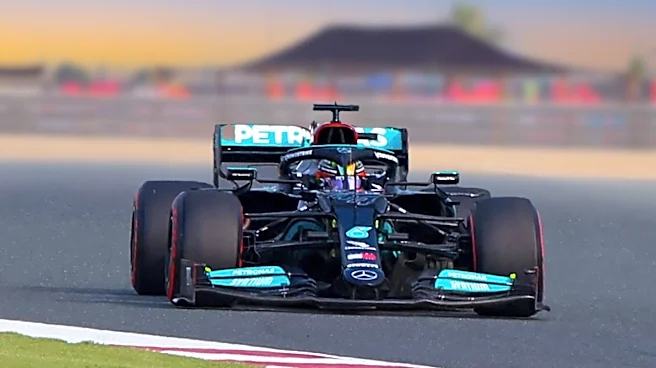
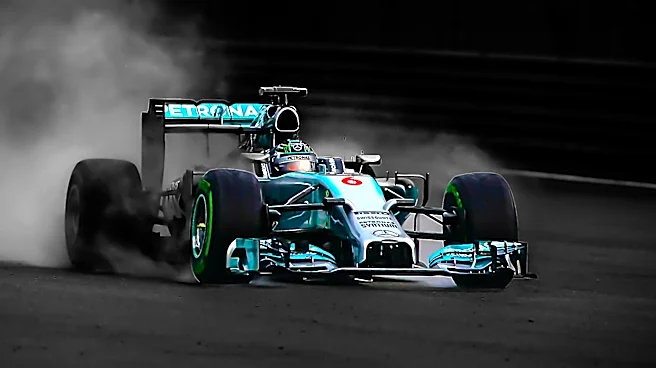
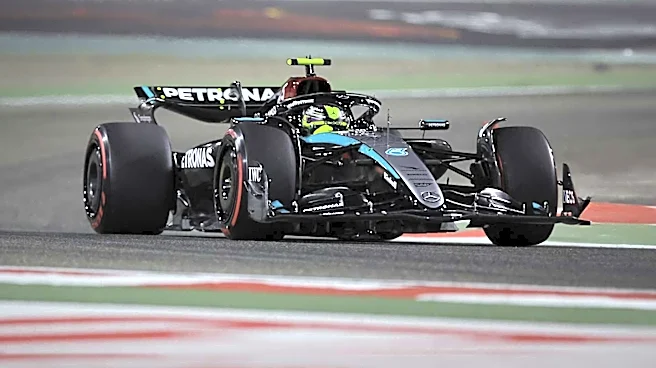
Toto Wolff, Mercedes team principal, is considering a strategic grid penalty for Kimi Antonelli at the upcoming Italian Grand Prix. Antonelli has reached the limit of allowed power units for the season, necessitating component replacements that will result
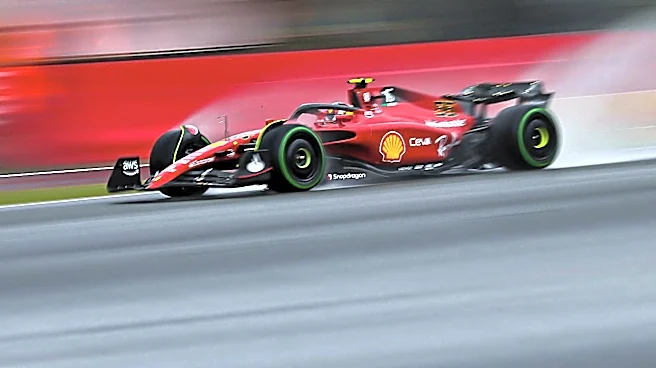
in a grid penalty. Wolff's intention is to alleviate pressure on Antonelli in front of his home crowd, potentially reducing expectations and allowing the driver to focus on performance. However, this strategy could benefit Ferrari, as Antonelli's starting position may impact Mercedes' championship standing.
Why It's Important?
The decision to impose a grid penalty on Antonelli reflects the strategic considerations teams must make in Formula 1. Balancing technical requirements with competitive pressures is crucial for maintaining championship standings. Wolff's approach highlights the importance of managing driver expectations and team dynamics, particularly in high-pressure environments. The potential impact on Ferrari underscores the interconnected nature of team strategies, where decisions can influence rival performance and championship outcomes.
Beyond the Headlines
Wolff's strategy raises questions about the balance between technical compliance and competitive advantage in Formula 1. As teams navigate component limits and grid penalties, the role of strategic planning becomes critical in shaping race outcomes. The decision to impose a penalty on Antonelli may prompt discussions about the broader implications of technical regulations and their impact on team strategies. The potential benefit to Ferrari highlights the competitive dynamics within the sport, where team decisions can have far-reaching consequences.