




What's Happening?
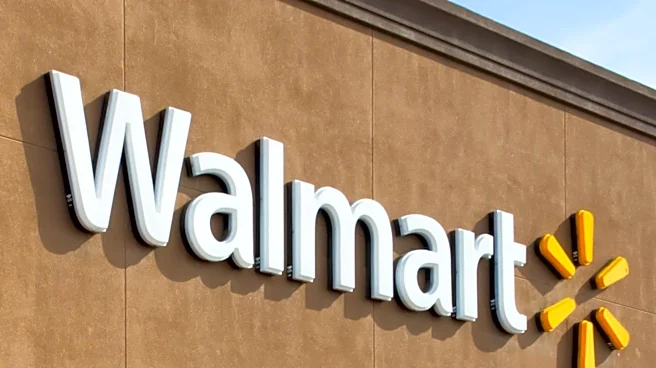
The Coachella Music Festival has initiated legal action against Walmart, filing a complaint in the U.S. District Court for the Central District of California on November 24. The lawsuit alleges that Walmart has engaged in repeated instances of trademark
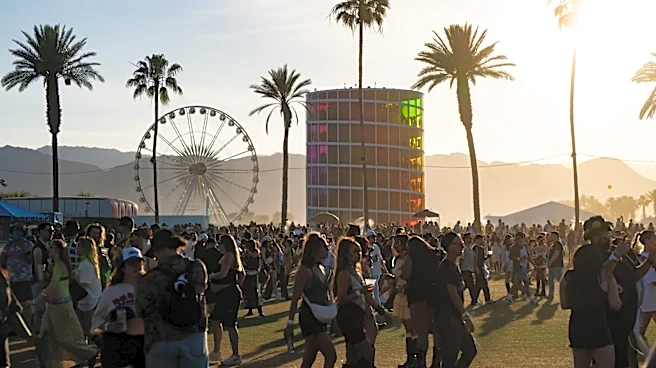
infringement spanning nearly a decade. According to the festival, Walmart has unauthorizedly used Coachella's logo and other associated imagery, including its iconic Ferris wheel, on various merchandise. The complaint details that infringing products, such as tumblers, bottles, wine glasses, and tank tops, have been sold both online and in stores since 2017, with instances reported as recently as this year. Additionally, some of these products were promoted using signage that allegedly violated Coachella's trademarks. The festival is seeking a temporary restraining order, preliminary and permanent injunctions to prevent future sales or advertising of infringing merchandise, and punitive damages.
Why It's Important?
This lawsuit highlights the critical importance of trademark protection for major events and brands in the U.S. The alleged actions by Walmart, a retail giant, could set a precedent regarding the enforcement of intellectual property rights against large corporations. For Coachella, a globally recognized music and arts festival, safeguarding its brand identity is crucial for maintaining its unique market position and revenue streams, which include merchandise sales and licensing. If Walmart is found liable, it could face significant financial penalties and reputational damage, underscoring the legal and ethical obligations of retailers to ensure their products do not infringe on existing trademarks. This case also serves as a reminder to consumers about the authenticity of branded merchandise and the legal battles behind protecting intellectual property.
What's Next?
Coachella is seeking immediate legal remedies, including a temporary restraining order and injunctions, to halt Walmart's alleged infringing activities. The legal proceedings will likely involve discovery, where both parties will present evidence to support their claims. The court will then determine whether Walmart's actions constitute trademark infringement and, if so, the appropriate penalties and injunctive relief. The outcome of this case could influence how other large retailers approach the sale of merchandise related to major events and brands, potentially leading to stricter internal compliance measures. The 2027 edition of Coachella is scheduled for April 9th-11th and 16th-18th, and the festival will continue its operations while the legal battle unfolds.
Beyond the Headlines
The dispute between Coachella and Walmart extends beyond a simple trademark infringement case; it touches upon the broader issue of brand dilution and the challenges faced by creators and event organizers in protecting their intellectual property in a vast retail landscape. The alleged long-standing nature of the infringement, dating back to 2017, raises questions about the effectiveness of existing monitoring and enforcement mechanisms for trademarks. This case could prompt a re-evaluation of how major brands and events can more effectively police their intellectual property against unauthorized commercial use, especially by large-scale retailers. It also underscores the potential for significant financial and brand equity losses when such infringements are allowed to persist over extended periods.