





What's Happening?
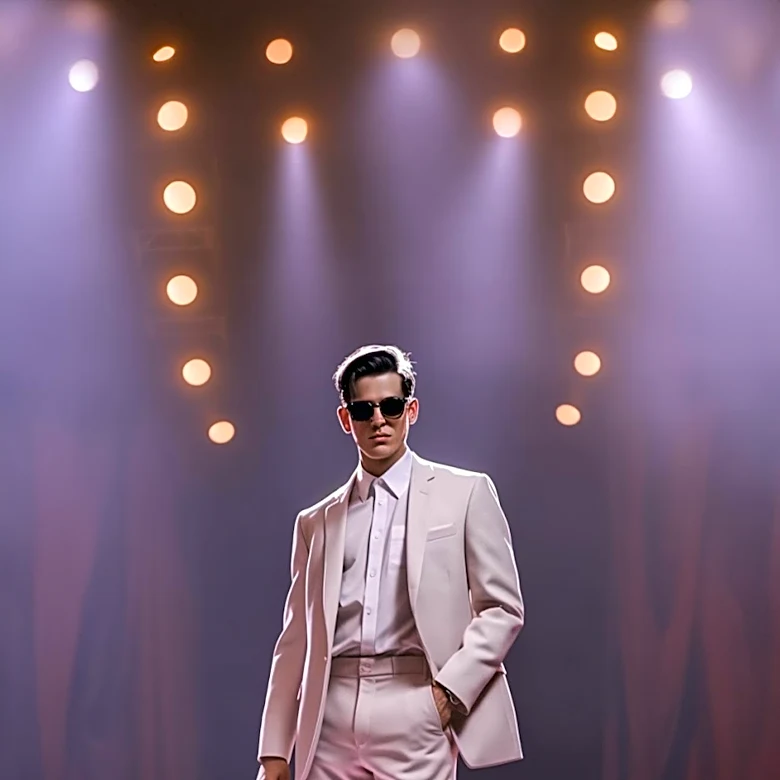
Milan Men's Fashion Week Spring/Summer 2027 showcased a strong trend towards nostalgic fashion, with designers incorporating elements from personal histories and family memories into their collections. British designer Paul Smith featured sea-glass pins
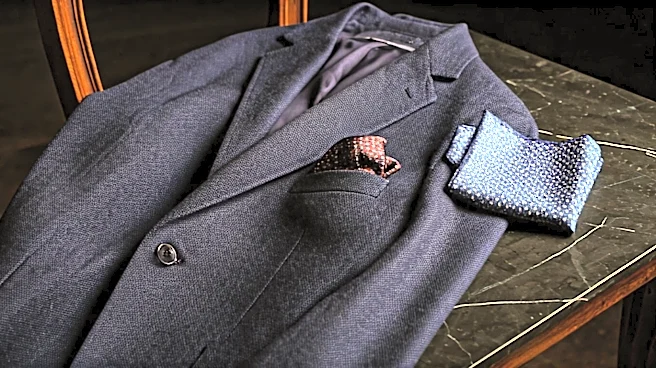
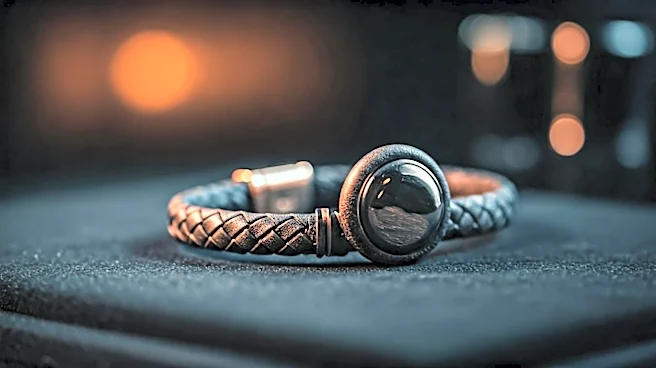
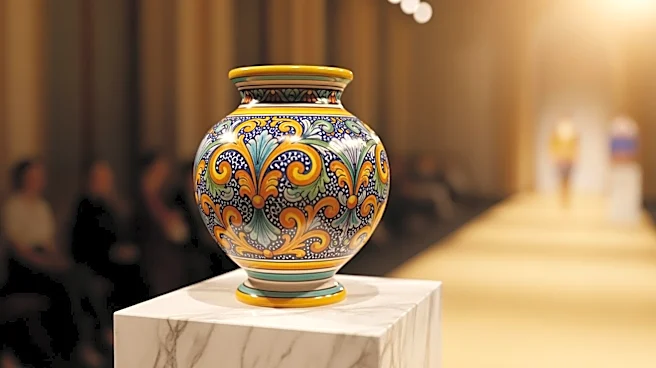
and nautical charms inspired by his late father's beachcombing habits. Dolce & Gabbana's 'Vacanze Siciliane' collection paid homage to the brand's Sicilian roots with embellishments reminiscent of the island's volcanic landscape. The event also saw a romantic makeover of menswear by Simone Rocha, who introduced floral details and feather boas. The collections emphasized small-scale design flourishes, such as pins, corsages, and feather boas, suggesting a more decorated look for men next summer.
Why It's Important?
The nostalgic fashion trend at Milan Men's Fashion Week reflects a broader movement in the fashion industry towards personalization and storytelling through clothing. By incorporating elements of personal history and cultural heritage, designers are creating collections that resonate on a deeper emotional level with consumers. This trend could influence U.S. fashion markets by encouraging designers to explore similar themes, potentially leading to a shift in consumer preferences towards more meaningful and personalized fashion choices. The emphasis on accessories and embellishments also suggests a potential increase in demand for these items, impacting related industries such as jewelry and accessory manufacturing.
What's Next?
As the nostalgic fashion trend gains traction, U.S. designers may begin to incorporate similar elements into their collections, potentially leading to collaborations with artisans and craftsmen who specialize in creating unique, personalized accessories. Fashion retailers might also adjust their inventory to include more embellished and personalized items to meet consumer demand. Additionally, fashion marketing strategies could shift to highlight the stories and inspirations behind collections, appealing to consumers' desire for authenticity and connection. The trend may also influence upcoming fashion weeks in the U.S., with designers showcasing collections that emphasize personal and cultural narratives.
Beyond the Headlines
The nostalgic fashion trend raises questions about sustainability and the fashion industry's impact on the environment. As designers focus on personal and cultural narratives, there may be a push towards using sustainable materials and ethical production methods to align with the values of conscious consumers. This shift could lead to long-term changes in how fashion is produced and consumed, with an emphasis on quality over quantity and a move away from fast fashion. Additionally, the trend highlights the role of fashion as a form of self-expression and cultural storytelling, potentially influencing how future generations perceive and engage with fashion.