



What's Happening?
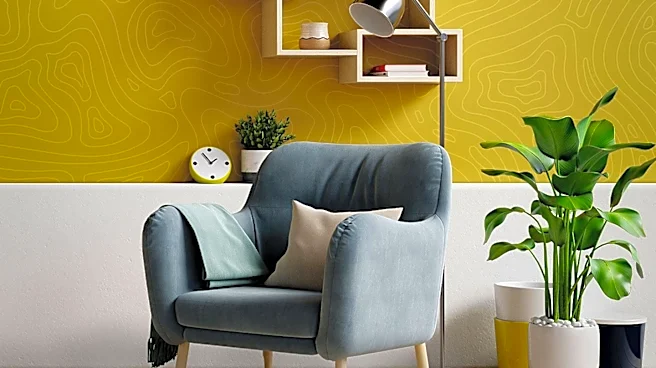
The enduring design principles of Dorothy Draper, as highlighted by her design director Rudy Saunders, remain highly relevant in contemporary interior decorating. Draper's aesthetic, characterized by vibrant hues, playful patterns, and luxurious upholstery,
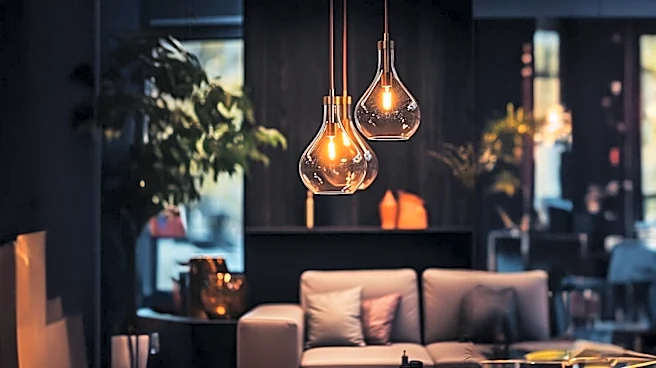
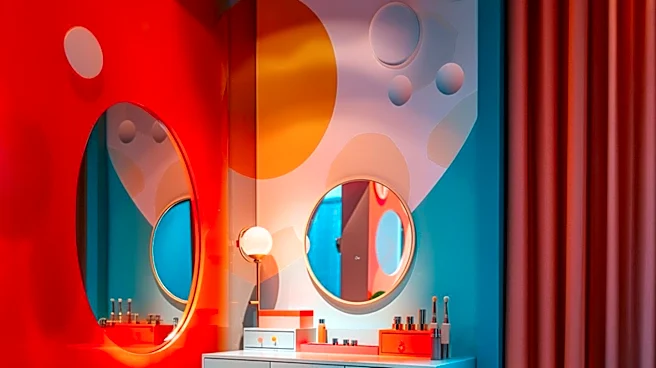
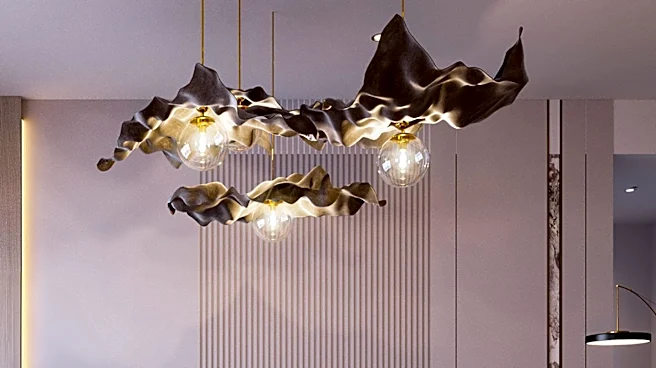
is exemplified at the Grand Hotel on Mackinac Island, Michigan. Key takeaways from her approach include the belief that anything can be repurposed into a lamp, emphasizing creative lighting solutions. Draper's team also stresses the importance of lightbulb choices, recommending 2700 Kelvin for a warmer, more flattering light, and consistency in color temperature within a single room. A cornerstone of her style is the juxtaposition of different style periods, which helps spaces evolve and avoid becoming dated. Furthermore, mirrors are considered crucial for enhancing light and making spaces feel larger, often found on columns, doors, and in lobbies. The art of mixing patterns is also central, with an emphasis on unified colors and varying scales to ensure visual harmony.
Why It's Important?
Dorothy Draper's design philosophy offers a significant counterpoint to transient design trends, promoting a timeless and evolving aesthetic that can reduce the need for frequent and costly renovations. Her emphasis on mixing eras and patterns encourages a more sustainable approach to interior design, allowing homeowners and businesses to create spaces that feel both classic and contemporary. The practical advice on lighting, particularly the use of specific Kelvin temperatures and the creative repurposing of objects into lamps, can enhance the ambiance and functionality of any room, impacting daily comfort and well-being. For the U.S. interior design industry, Draper's enduring influence underscores the value of bold, personalized design over generic, trend-driven aesthetics. This approach can empower consumers to make more confident and lasting design choices, fostering a greater appreciation for unique and character-filled interiors, and potentially influencing product development in home furnishings and lighting.
What's Next?
As consumers increasingly seek individuality and longevity in their home environments, Dorothy Draper's principles are likely to see continued resurgence and adaptation. Design professionals and enthusiasts may further explore her techniques for pattern mixing, period juxtaposition, and the strategic use of mirrors to create dynamic and personalized spaces. The focus on sustainable and evolving design, rather than disposable trends, could lead to a greater demand for quality, antique, and repurposed items in home decor. Educational programs in interior design might place a renewed emphasis on historical design figures like Draper, teaching students how to integrate classic principles with modern sensibilities. Furthermore, the hospitality industry, which Draper significantly influenced, may continue to draw inspiration from her work to create distinctive and memorable guest experiences that stand apart from more generic hotel designs.
Beyond the Headlines
Dorothy Draper's design legacy extends beyond mere aesthetics; it embodies a philosophy of living that embraces joy, individuality, and a touch of theatricality in everyday spaces. Her maximalist approach, tempered with a "visual cleanliness," challenges the minimalist trends that often dominate modern design, encouraging people to surround themselves with objects and patterns that bring them pleasure. This cultural impact suggests a deeper psychological benefit to her style, promoting environments that are stimulating and comforting rather than stark or impersonal. Ethically, her emphasis on repurposing items into lamps and valuing antiques promotes a form of sustainable consumption, encouraging creativity and resourcefulness. Her work also highlights the power of design to shape mood and experience, transforming ordinary spaces into extraordinary ones, and reminding us that our surroundings play a crucial role in our overall well-being and sense of identity.