


What's Happening?
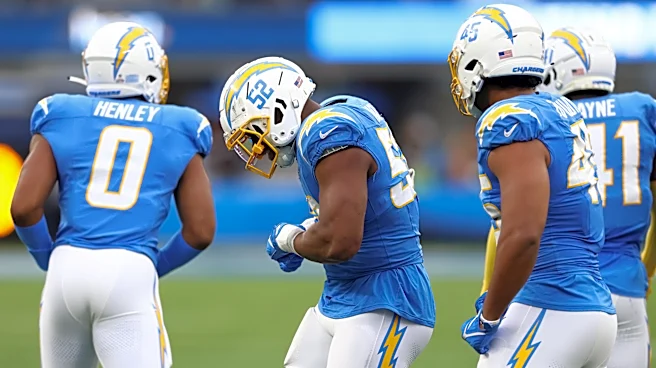
The Los Angeles Chargers, under the ownership of Dean Spanos, have opted against making significant organizational changes despite their 0-7 record. Typically, teams experiencing a season spiraling out of control use their bye week to implement major
shifts, such as firing head coaches or reconfiguring staff. However, the Chargers' organization has chosen to stand pat, maintaining its current leadership and coaching structure. This decision comes as the team prepares for its upcoming game against Houston, where offensive coordinator Mike McDaniel will transition to calling plays from the booth instead of the sidelines, a move that some observers doubt will significantly alter the team's performance. The lack of substantial changes during a critical juncture of a winless season has drawn attention, particularly given the usual practices within professional sports for struggling franchises.
Why It's Important?
This decision by Dean Spanos' organization is significant because it deviates from the conventional approach of NFL teams facing severe underperformance. In professional sports, a winless start often triggers immediate and drastic measures aimed at salvaging the season or initiating a rebuild. By not making personnel changes, the Chargers are signaling either a long-term commitment to their current staff or a belief that internal adjustments, like the play-calling location change, are sufficient. This could impact team morale, fan perception, and the overall trajectory of the franchise. For stakeholders, including players, coaches, and fans, the lack of decisive action might be interpreted in various ways, from a vote of confidence to a missed opportunity for a necessary reset. The team's continued struggles without significant intervention could also affect future player recruitment and overall brand value.
What's Next?
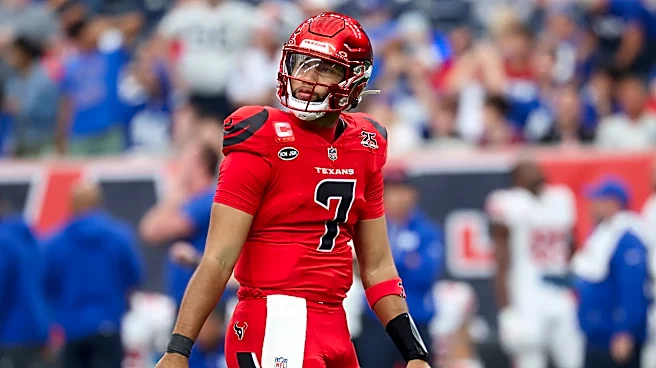
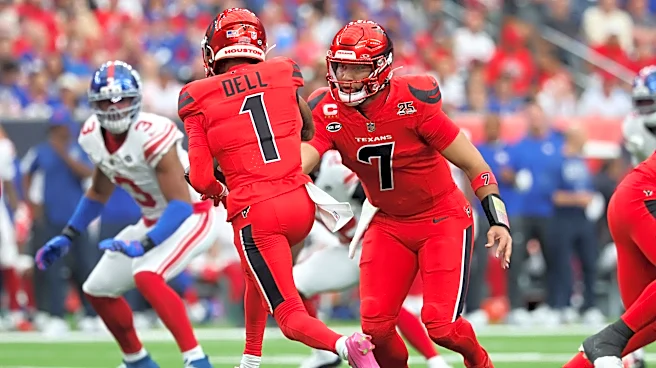
The immediate next step for the Chargers is their game against Houston, where offensive coordinator Mike McDaniel will call plays from the booth. The effectiveness of this tactical adjustment will be closely watched, though expectations for a dramatic turnaround remain low given the team's 0-7 record. Should the team continue its losing streak, pressure on Dean Spanos and the Chargers' front office to make more substantial changes will likely intensify. Future games will serve as a litmus test for the current strategy, and continued poor performance could force the organization to reconsider its stance on personnel stability. The team's performance in the coming weeks will be crucial in determining whether the current approach is sustainable or if more drastic measures will eventually be implemented.
Beyond the Headlines
The Chargers' decision to maintain the status quo despite a winless season raises broader questions about ownership philosophy and organizational resilience in professional sports. It highlights the tension between short-term performance pressures and long-term strategic vision. Some owners prioritize stability and continuity, even through difficult periods, believing that frequent changes can be more disruptive than beneficial. Others adopt a more results-oriented approach, quickly making changes when performance falters. This situation could also reflect internal dynamics within the Spanos organization, such as strong belief in the current coaching staff's potential or a reluctance to incur the financial costs associated with coaching changes. The long-term implications could include a re-evaluation of the team's management structure if the losing trend persists, potentially influencing how other struggling franchises approach similar situations.