






What's Happening?
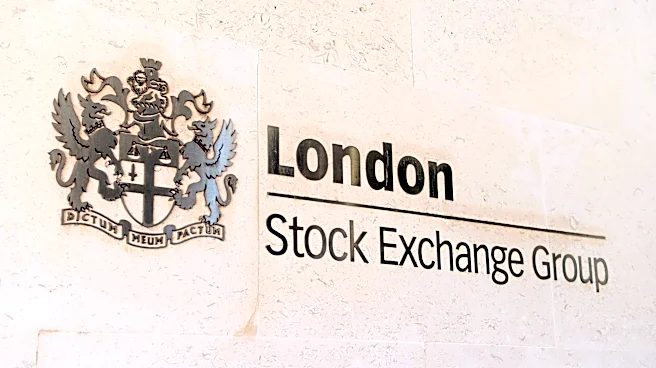
Monzo, the digital bank, has engaged Morgan Stanley to provide advisory services regarding a potential listing in London. This development follows a period of significant change for the company, including the appointment of Diana Layfield as Group CEO
in February 2026, succeeding TS Anil. The transition in leadership was reportedly linked to disagreements within the board concerning the timing and location of an initial public offering (IPO). Monzo has also recently exited the United States market to concentrate its operations on the UK and European regions. As part of this strategic shift, the bank secured an EU banking license through Ireland. The consideration of a London listing indicates Monzo's ongoing efforts to solidify its financial future and potentially access public markets for further growth and capital. The company has achieved its first annual profit, reporting £15.4 million for the year ending March 2024, and has maintained profitability since, with adjusted pre-tax profit reaching £172.6 million in its most recent financial year.
Why It's Important?
Monzo's potential London IPO holds significant implications for the financial technology sector and the broader European banking landscape. A successful listing could provide Monzo with substantial capital to further expand its services, invest in technology, and strengthen its competitive position against traditional banks and other digital challengers. For the UK financial market, a high-profile IPO from a successful fintech company like Monzo could bolster London's reputation as a hub for financial innovation and attract further investment into the sector. The decision to focus on the UK and Europe, coupled with securing an EU banking license, suggests a strategic consolidation of its market efforts, aiming for deeper penetration in these regions. This move also highlights the increasing maturity of digital banks, as Monzo's journey from a startup to a profitable entity considering a public offering demonstrates the viability of challenger banks in disrupting traditional financial services. The outcome of this potential IPO will be closely watched by investors and competitors alike, as it could set a precedent for other fintech companies contemplating similar moves.
What's Next?
The immediate next steps for Monzo will likely involve continued collaboration with Morgan Stanley to assess market conditions, refine its financial disclosures, and prepare the necessary documentation for a potential London listing. The company will need to navigate regulatory requirements and engage with potential investors to gauge interest and valuation. The timing of any IPO will depend on various factors, including market sentiment, economic conditions, and the company's internal readiness. Stakeholders, including existing shareholders, employees, and customers, will be keenly observing these developments. The new Group CEO, Diana Layfield, will play a crucial role in steering the company through this process, particularly given the reported board disagreements over IPO strategy. Furthermore, Monzo's continued focus on profitability and customer growth in the UK and European markets will be essential in building a compelling case for public investors. The success of a London listing could also influence Monzo's future expansion strategies and its ability to compete on a global scale.
Beyond the Headlines
Monzo's journey towards a potential IPO underscores several deeper trends within the financial industry. The company's reliance on word-of-mouth marketing, with 79% of its new customers joining through referrals, highlights the power of customer experience and community building in the digital age. This contrasts sharply with traditional banking models that often rely on extensive advertising budgets. The evolution of Monzo from a popular but unprofitable startup to a profitable entity demonstrates the critical challenge for many fintechs: converting user engagement into sustainable revenue. The reported disagreements within the board regarding the IPO's timing and location also shed light on the internal pressures and strategic debates that high-growth companies face as they mature. Furthermore, Monzo's exit from the U.S. market to focus on the UK and Europe suggests a strategic prioritization of markets where it has established a stronger foothold and regulatory clarity, indicating that global expansion is not always the immediate path to success for digital banks. This strategic focus could lead to more concentrated competition in specific regional markets, potentially reshaping the competitive landscape of digital banking in Europe.