






What's Happening?
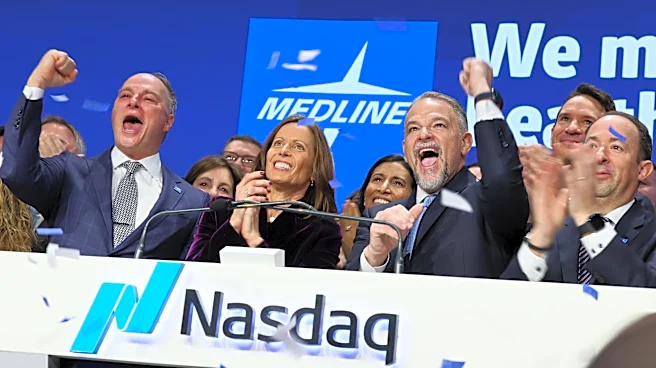
Medline Inc. (Nasdaq: MDLN) has announced the pricing of a secondary offering of 60,000,000 shares of its Class A common stock at $35.50 per share. This offering, valued at approximately $2.13 billion, is being conducted by several selling stockholders,
including affiliates of Blackstone Inc., The Carlyle Group Inc., Hellman & Friedman LLC, GIC Private Limited, and a wholly owned subsidiary of the Abu Dhabi Investment Authority. The selling stockholders have also granted the underwriters a 30-day option to purchase up to an additional 9,000,000 shares. Medline Inc. itself is not selling any shares in this offering and will not receive any proceeds from the sale. The offering is anticipated to close on November 23, 2026, subject to customary closing conditions. Concurrently, Medline and Medline Holdings, LP have agreed to repurchase $200 million of Class A common stock and Medline Holdings common units directly from the selling stockholders at the same per-share price. This repurchase will also involve the cancellation of an equivalent number of Class B common shares at no additional cost and counts towards Medline’s existing share repurchase program.
Why It's Important?
This secondary offering and concurrent share repurchase by Medline Inc. are significant for several reasons. For the selling stockholders, including major private equity firms like Blackstone, Carlyle, and Hellman & Friedman, it represents a strategic move to monetize a portion of their investment in Medline. The substantial value of the offering, over $2 billion, indicates a significant return for these investors. For Medline, while it does not receive direct proceeds from the secondary offering, the concurrent $200 million share repurchase demonstrates a commitment to returning value to shareholders and can help support the stock price by reducing the number of outstanding shares. This action also signals confidence in the company's financial health and future prospects. The involvement of prominent financial institutions as underwriters, such as Goldman Sachs, Morgan Stanley, BofA Securities, and J.P. Morgan, underscores the market's interest and the scale of this transaction within the healthcare supply chain sector.
What's Next?
The secondary offering is expected to close on November 23, 2026, at which point the shares will be transferred to new public investors. The concurrent $200 million share repurchase by Medline and Medline Holdings, LP is also slated to close at the same time, contingent on the completion of the secondary offering. Following the closing, the market will observe the impact of the increased float of Class A common stock and the reduction in outstanding shares due to the repurchase. The selling stockholders will have reduced their stakes, potentially freeing up capital for new investments. Medline will continue its operations as a leading provider of medical-surgical products, with its share repurchase program continuing to be a factor in its capital allocation strategy. Future financial reports will likely detail the full impact of these transactions on Medline's balance sheet and shareholder structure.
Beyond the Headlines
The transaction highlights the ongoing trend of private equity firms exiting or partially exiting their investments in mature companies through public market offerings. The participation of multiple large private equity firms and sovereign wealth funds as selling stockholders indicates a coordinated effort to realize value from their investment in Medline. This move could also be interpreted as a strategic rebalancing of portfolios by these investment giants, potentially signaling shifts in their investment priorities or a desire to lock in profits from a successful venture. The concurrent share repurchase by Medline itself suggests a sophisticated financial strategy aimed at managing shareholder value, balancing the interests of existing investors with the liquidity needs of its private equity backers. This complex interplay between private equity exits and corporate share repurchases is a common feature in today's capital markets, reflecting dynamic strategies to optimize returns and manage ownership structures.