





What's Happening?
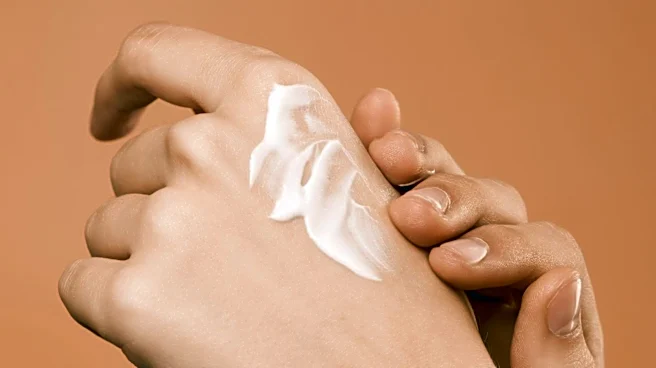
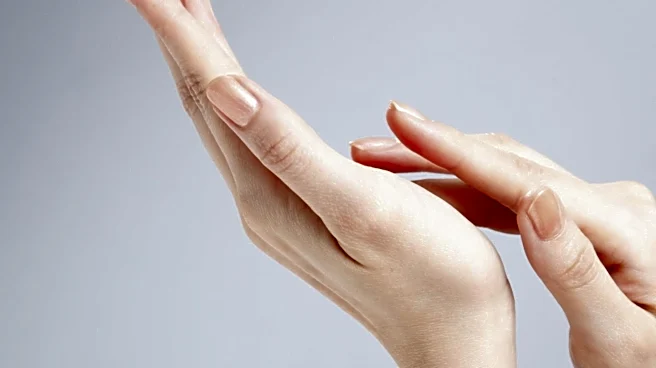
The focus of anti-aging treatments is expanding beyond facial rejuvenation to include hands, as more individuals seek to address age-related concerns in this often-overlooked area. Patients, particularly affluent women aged 55 and older, are increasingly
opting for treatments like lasers, IPL (intense pulsed light) for hyperpigmentation, skin-booster injections and chemical peels for wrinkles, and fillers or fat-grafting for volume loss. This trend is driven by the realization that hands can reveal one's age, even if the face is well-maintained. A younger demographic, aged 27 to 40, is also beginning to request sun-damage-reversing treatments for their hands.
Why It's Important?
This emerging trend signifies a new frontier in the U.S. aesthetic medicine market, creating significant growth opportunities for dermatologists, plastic surgeons, and medical spas. It suggests a broadening definition of 'anti-aging' that encompasses a more holistic approach to the body. For the beauty and pharmaceutical industries, this could lead to increased demand for specialized hand-specific anti-aging products and treatments. It also highlights a consumer desire for comprehensive aesthetic solutions, where maintaining a youthful appearance extends to all visible parts of the body, potentially influencing future research and development in cosmetic procedures and skincare formulations.
What's Next?
The demand for hand rejuvenation is expected to continue growing, leading to further innovation in treatment options and product development. Clinics may begin to offer more integrated packages that combine facial and hand treatments, and specialized hand creams with advanced anti-aging ingredients could become more prevalent. As technology advances, more sophisticated and less invasive procedures for hand rejuvenation are likely to emerge. The increasing awareness of sun damage on hands will also drive the market for high-SPF hand protection and repair treatments, catering to both older and younger demographics.
Beyond the Headlines
The expansion of anti-aging treatments to hands reflects a deeper societal anxiety about visible signs of aging and the relentless pursuit of youth. While framed in terms of 'wellness' and 'self-care,' the underlying motivation often stems from a fear of being perceived as old, particularly for women. The use of terms like 'granny hands' or 'clawlike' to describe aging hands underscores internalized ageism and misogyny. This trend raises questions about the psychological impact of constant aesthetic pressure and the financial burden associated with maintaining an 'ageless' appearance, pushing individuals to invest significant resources into cosmetic interventions.