





What's Happening?
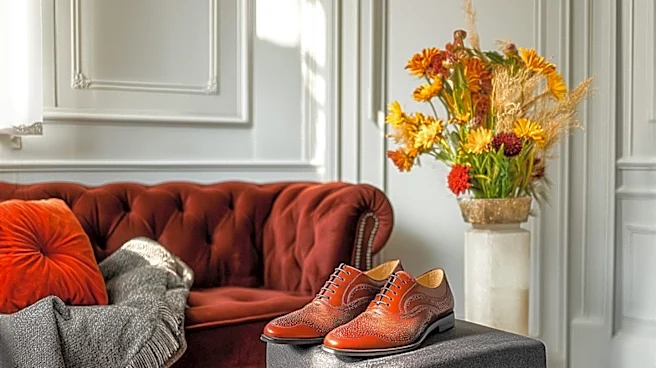
Internationally renowned interior designer Shalini Misra centers her design philosophy on bringing warmth and character to spaces, avoiding stark whites and silvers in favor of color, artisanal detailing, and handmade elements. Misra, known for her global
practice spanning London, New York, and Dubai, integrates philosophical moorings into her work, including Vedic principles, as seen in her Delhi farmhouse with seven moon gates. Her portfolio ranges from transforming private jets to reimagining Victorian villas with extensive art collections and designing Manhattan pieds-à-terre. Misra recently launched a Diwali-themed collaboration with de Gournay, featuring a Chhint thali that blends Indian decorative tradition with Chinese porcelain artistry. She believes in integrating the artisanal and handmade into her designs, emphasizing the unique craftsmanship available in her home country while advocating for the dynamic evolution of craft. Her approach is deeply rooted in creating environments that foster conversation and well-being, reflecting her reputation as a gracious host.
Why It's Important?
Shalini Misra's design philosophy highlights a significant trend in interior design: the move away from minimalist, sterile aesthetics towards spaces that evoke warmth, personality, and cultural richness. Her emphasis on artisanal and handmade elements underscores the growing appreciation for craftsmanship and unique, bespoke pieces over mass-produced items. This approach not only supports traditional artisans but also brings a sense of authenticity and narrative to interior spaces. By integrating diverse cultural influences, such as Indian decorative traditions and Vedic philosophy, Misra demonstrates how design can be a powerful medium for cross-cultural dialogue and personal expression. Her focus on 'well-being' as a core practice reflects a broader societal shift towards creating environments that nurture mental and emotional health, making spaces not just visually appealing but also conducive to comfort and connection. This could influence how future residential and commercial spaces are conceived, prioritizing human experience and cultural depth.
What's Next?
Misra's continued work, including her Shakti Design Residency, suggests a future where she will further champion global design collaboration and the integration of diverse artistic traditions. Her commitment to making craft dynamic indicates an ongoing effort to innovate within traditional frameworks, potentially leading to new design methodologies and material applications. As she continues to influence the design world, her philosophy of warmth and character is likely to inspire other designers and clients to seek out more personalized, culturally rich, and emotionally resonant spaces. Her global reach means that these trends could manifest in various international design markets, fostering a greater appreciation for handmade and artisanal elements. The success of her collaborations, like the one with de Gournay, may also encourage more cross-cultural partnerships in the design industry, blending different artistic heritages to create novel products and aesthetics.
Beyond the Headlines
Misra's approach to design, deeply rooted in philosophical moorings and a desire to 'bring the warmth,' transcends mere aesthetics. It speaks to a fundamental human need for connection, comfort, and a sense of belonging within our environments. Her integration of artisanal elements not only supports craft communities but also serves as a counter-narrative to the homogenization often seen in modern design, promoting individuality and cultural heritage. The concept of 'well-being' at the core of her practice suggests a holistic view of design, where physical spaces are seen as extensions of our inner lives, capable of influencing our mood and interactions. This perspective encourages a more mindful approach to creating living and working environments, considering their psychological and emotional impact. Her ability to blend high-altitude luxury with deeply personal and philosophical elements highlights a sophisticated understanding of how design can cater to both aspirational desires and intrinsic human values.