




What's Happening?
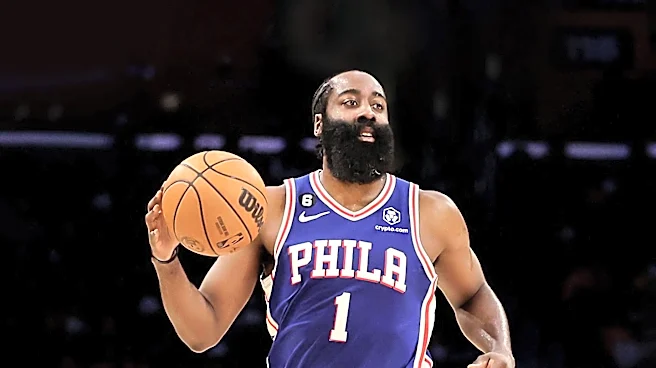
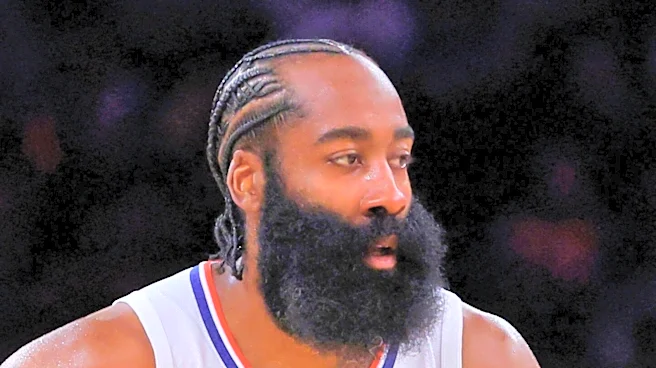
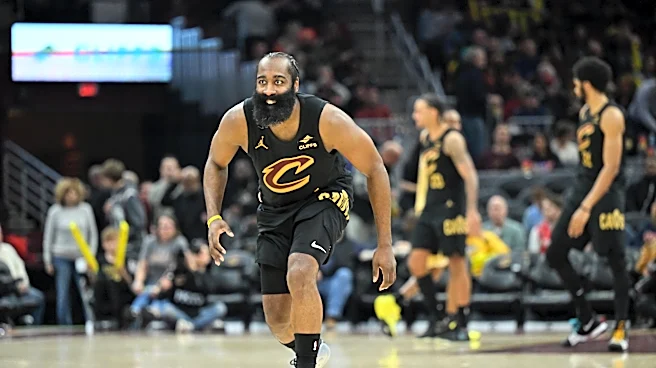
James Harden has decided to decline his $42.3 million player option for the upcoming season and is currently in negotiations with the Cleveland Cavaliers for a multiyear contract. This decision comes after Harden's acquisition from the Los Angeles Clippers
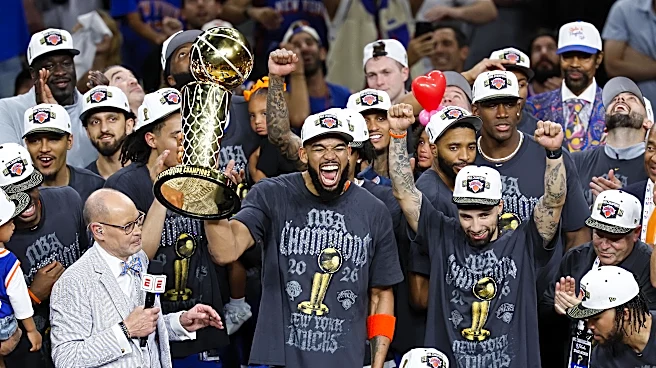
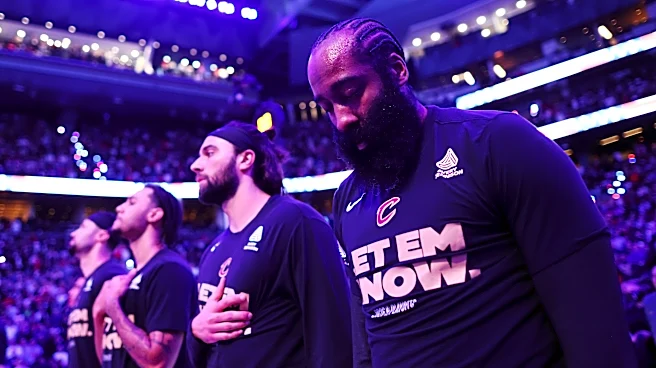
at the trade deadline, where he was traded in exchange for Darius Garland and a 2026 second-round pick. During his time with the Cavaliers, Harden played 26 regular season games, averaging 20.5 points, 4.8 rebounds, and 7.7 assists per game. His performance helped the team reach the Eastern Conference finals, although they were ultimately swept by the New York Knicks. The Cavaliers are reportedly keen on retaining Harden to maintain their core roster and make another attempt at the championship next season.
Why It's Important?
Harden's decision to negotiate a new contract with the Cavaliers is significant for both the player and the team. For Harden, securing a multiyear deal at this stage of his career provides financial stability and a chance to continue competing at a high level. For the Cavaliers, retaining Harden is crucial to their strategy of building a competitive team around star player Donovan Mitchell. Harden's experience and skill set as a former MVP and 11-time All-Star add depth and leadership to the roster. The negotiations also highlight the Cavaliers' commitment to staying under the second salary cap apron, which is essential for maintaining financial flexibility and avoiding luxury tax penalties.
What's Next?
As negotiations continue, both Harden and the Cavaliers will aim to finalize a deal that satisfies both parties' interests. The Cavaliers are likely to offer a contract that balances Harden's desire for a longer-term commitment with the team's need to manage salary cap constraints. If an agreement is reached, it will solidify the Cavaliers' roster for the upcoming season and potentially enhance their chances of making a deeper playoff run. The outcome of these negotiations could also influence other teams' strategies in the free agency market, as they assess their own roster needs and salary cap situations.