





What's Happening?
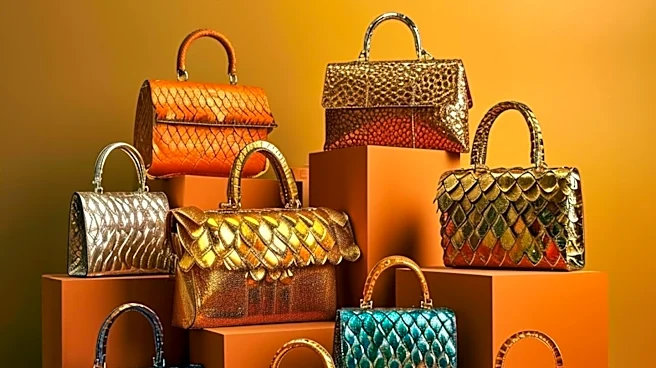
Solana, a high-performance blockchain platform, has announced a partnership with The Luxury Closet to tokenize authenticated luxury goods, starting with Birkin bags. This initiative aims to integrate physical high-value assets with blockchain-based digital
assets. The core of the project involves authenticating luxury items and then recording this information on the Solana blockchain, creating a digital representation that can verify ownership and authenticity. The Luxury Closet will manage the authentication process, which is crucial in the luxury resale market to combat counterfeit products. This move seeks to introduce blockchain verification to consumers who typically engage with luxury goods through traditional retail and resale channels, potentially making ownership and authenticity easier to track and verify.
Why It's Important?
This partnership is significant as it extends blockchain technology beyond traditional cryptocurrencies and financial assets into the luxury goods market, a sector often plagued by counterfeiting. By tokenizing authenticated luxury items, Solana and The Luxury Closet are addressing a critical need for trust and transparency in the resale market. This could establish a new standard for verifying the provenance and ownership history of high-value physical products, benefiting both buyers and sellers. For Solana, it represents an effort to broaden consumer adoption of blockchain technology by attracting high-end consumers who may not typically interact with crypto. The success of this model could pave the way for similar tokenization projects across other luxury categories like watches, jewelry, and collectibles, potentially creating a more liquid and trustworthy secondary market for these assets.
What's Next?
The initial focus will be on Birkin bags, and if successful, the project could expand to include other luxury categories. The partnership raises questions about the emergence of secondary markets for these tokenized luxury products and how they will be traded or transferred. Greater liquidity in these digital assets could enhance their appeal, while limited trading opportunities might restrict their adoption. Market conditions in the broader cryptocurrency space will also influence the investor appetite for these new blockchain applications. The initiative's success will depend on the effectiveness of the authentication standards, custody arrangements, ownership laws, resale demand, and regulatory requirements surrounding these tokenized physical goods. This project could serve as a blueprint for future collaborations between blockchain platforms and the luxury industry, potentially transforming how physical luxury products are owned and verified digitally.
Beyond the Headlines
This development highlights a broader trend of integrating blockchain technology with real-world assets, moving beyond purely digital applications. The ethical implications of ensuring robust and unbiased authentication processes are paramount, as the value of the tokenized asset is directly tied to the physical item's genuineness. Legally, the framework for ownership and transfer of these tokenized physical goods will need to evolve, especially concerning cross-border transactions and dispute resolution. Culturally, this could shift consumer perceptions of luxury goods, adding a digital layer of provenance and potentially increasing their perceived value and investment potential. It also underscores the ongoing challenge of bridging the gap between the digital and physical worlds, with blockchain acting as a crucial trust layer for high-value tangible assets.