




What's Happening?
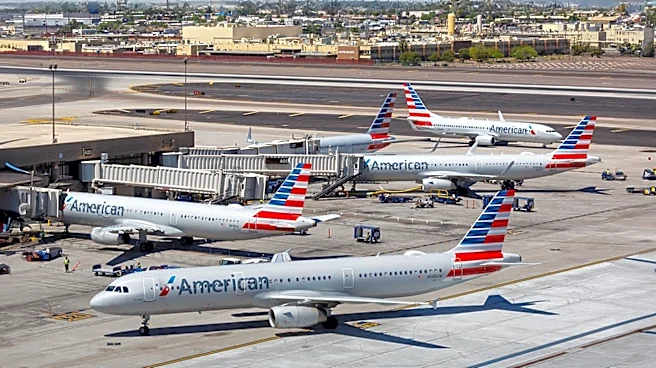
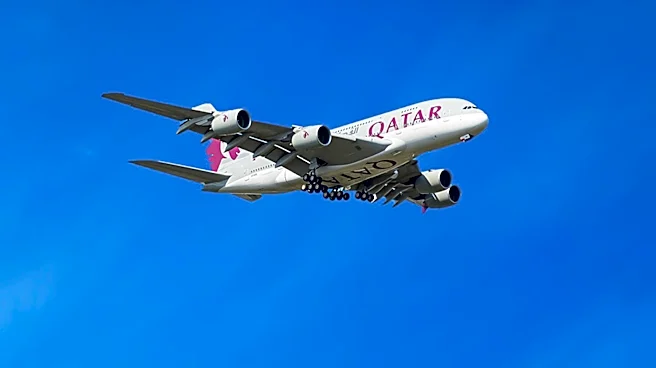
The Professional Airline Flight Control Association (PAFCA) has announced that American Airlines' nearly 600 dispatchers and operations specialists have approved a new five-year contract. This agreement includes significant pay increases that will take
effect immediately. Jessica Tyler, American's Integrated Operations Center Senior Vice President, emphasized the critical role these employees play in the airline's operations, stating that they are vital to the success of American's daily flights. She highlighted their responsibility in carefully planning and ensuring the safety of thousands of flights and keeping the airline on schedule for its customers. Tyler expressed satisfaction with the new contract, calling it well-deserved for a team considered 'the best in the business,' and reiterated the airline's commitment to investing in them through competitive pay and comprehensive benefits. American Airlines, a global carrier founded in 1926, operates over 6,000 daily flights to more than 350 destinations in over 60 countries, serving more than 200 million customers annually. The airline is also celebrating its centennial year in 2026, marking a century of innovation in the industry.
Why It's Important?
This new contract for American Airlines' dispatchers and operations specialists is important for several reasons. Firstly, it ensures labor stability for a critical segment of the airline's workforce, preventing potential disruptions that could arise from prolonged contract negotiations or labor disputes. Given that these professionals are responsible for flight planning and operational safety, their satisfaction and retention are paramount for maintaining the airline's service reliability and safety record. Secondly, the significant pay increases reflect a broader trend in the aviation industry to attract and retain skilled personnel, especially as travel demand continues to be strong. This investment in its workforce can enhance employee morale and productivity, which directly impacts customer experience and operational efficiency. For American Airlines, which is celebrating its centennial year in 2026, securing this agreement underscores its commitment to its employees and its long-term operational health. The airline's ability to maintain a stable and motivated workforce is crucial for its continued success in a competitive global market, especially as it navigates challenges such as fluctuating fuel costs and aims to boost unit revenue.
What's Next?
Following the approval of the new five-year contract, the significant pay increases for American Airlines' dispatchers and operations specialists will take effect immediately. This immediate implementation is expected to positively impact employee morale and potentially enhance operational efficiency as the airline continues to manage its extensive flight schedule. American Airlines will likely focus on integrating these new compensation structures into its financial planning, balancing increased labor costs with its ongoing efforts to achieve profitability amidst external factors like fuel prices. The airline's management will continue to monitor the impact of this agreement on its overall operational performance and employee satisfaction. Furthermore, this successful negotiation could set a precedent or influence future contract discussions with other employee groups within American Airlines or across the broader aviation industry, as airlines strive to maintain competitive compensation packages to attract and retain talent. The airline will also continue its strategic initiatives, including growing credit card partnerships and mapping out 2027 priorities aimed at boosting unit revenue, with a stable workforce being a key component of these plans.
Beyond the Headlines
Beyond the immediate financial implications, this contract approval highlights the evolving dynamics of labor relations within the U.S. airline industry. The emphasis on 'significant pay increases' for a specialized group like dispatchers and operations specialists underscores the recognition of their indispensable role in ensuring safety and efficiency in air travel. This trend could signal a shift towards stronger bargaining power for skilled aviation professionals, potentially leading to more favorable contracts across various airline employee groups. Ethically, investing in competitive compensation for these roles reinforces the airline's commitment to its workforce, which can foster a culture of loyalty and dedication. From a broader societal perspective, a well-compensated and satisfied workforce in critical aviation roles contributes to the overall safety and reliability of air travel, benefiting millions of passengers annually. This agreement also reflects the airline's strategic decision to prioritize human capital as a key asset, acknowledging that a skilled and motivated team is essential for navigating the complexities of modern aviation and maintaining its position as a premium global airline.