
What's Happening?
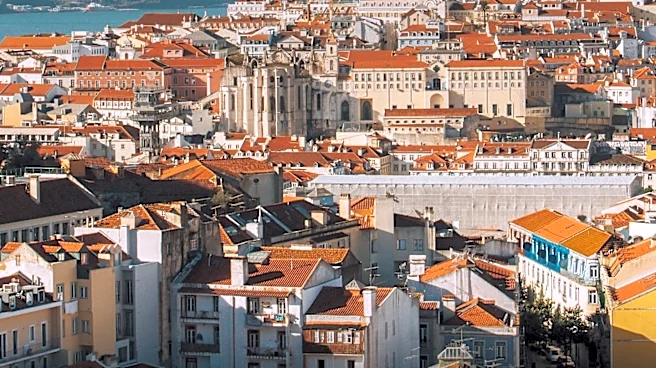
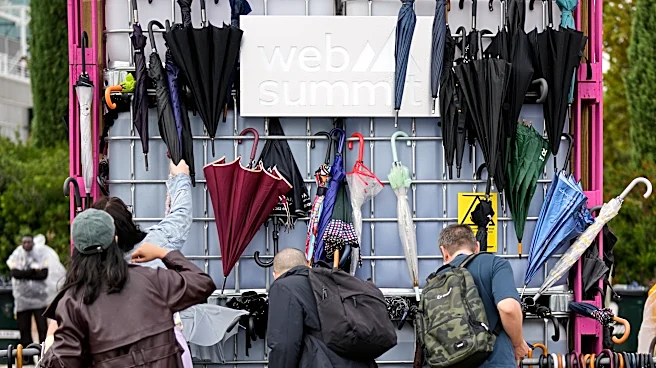
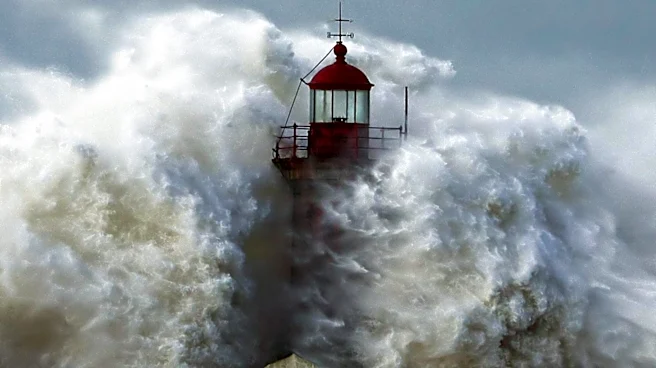
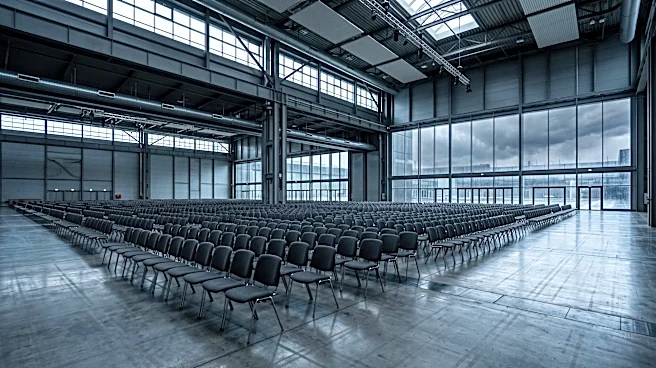
Web Summit, a significant international technology conference held in Lisbon, Portugal, canceled its second day of events on Wednesday, November 11th, due to the severe impact of Storm Charles. The decision
followed formal advice from the Portuguese Government, which cited risks including tidal flooding, significant public transport disruption, and the potential impact of high winds on external structures. The conference, which attracts approximately 70,000 attendees, including tech leaders, politicians, media executives, and sports stars, had to inform delegates and speakers overnight about the cancellation. This move aligns with broader measures taken across Lisbon, where schools and non-essential public services were also closed, and some flights were delayed or canceled as the storm approached the Atlantic coast.
Why It's Important?
The cancellation of a major international event like Web Summit due to severe weather highlights the increasing vulnerability of large-scale gatherings to extreme climate events. For the U.S. tech industry and its leaders attending the summit, this disruption means lost networking opportunities, delayed business discussions, and potential financial implications from travel changes. It also underscores the broader economic impact of climate-related disruptions on global business and travel, affecting not only the host country but also international participants. The incident serves as a reminder for event organizers and businesses worldwide to integrate robust contingency plans for climate-related risks, potentially influencing future event planning and risk assessment strategies in the U.S. and globally.
What's Next?
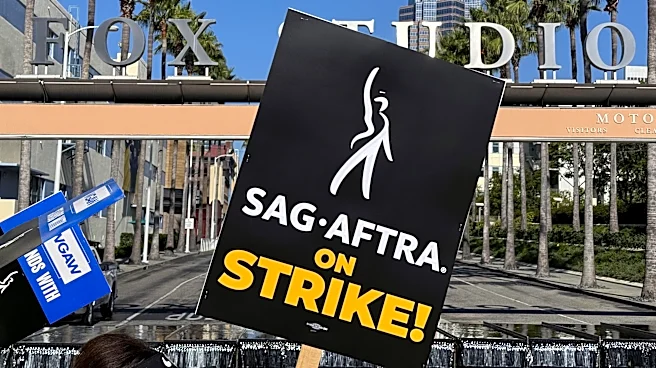
Web Summit organizers anticipate resuming events on Thursday, November 12th, for day three, as the storm is expected to pass. They are actively collaborating with Portuguese authorities and emergency services to monitor conditions and ensure the safety of all participants. The scheduled lineup for Thursday includes a session featuring SAG-AFTRA boss Duncan Crabtree-Ireland, titled 'Hollywood’s Identity Crisis.' Attendees and speakers will likely face continued travel adjustments and logistical challenges as they navigate the aftermath of the storm and the revised conference schedule. The incident may prompt a review of emergency protocols for large international conferences, potentially leading to enhanced weather-related contingency planning for future events.
Beyond the Headlines
This event extends beyond a mere weather-induced cancellation; it subtly underscores the growing intersection of climate change and globalized business operations. The disruption of a major tech conference by a storm named 'Charles' could symbolize the increasing unpredictability of weather patterns, posing new challenges for international commerce and collaboration. It also brings to light the ethical responsibility of event organizers and governments to prioritize public safety over economic interests, even when faced with significant financial implications. The incident might encourage a broader discussion within the tech and event industries about sustainable practices and resilient infrastructure to mitigate the impacts of future climate events, potentially influencing long-term investment in climate adaptation strategies.