








What's Happening?
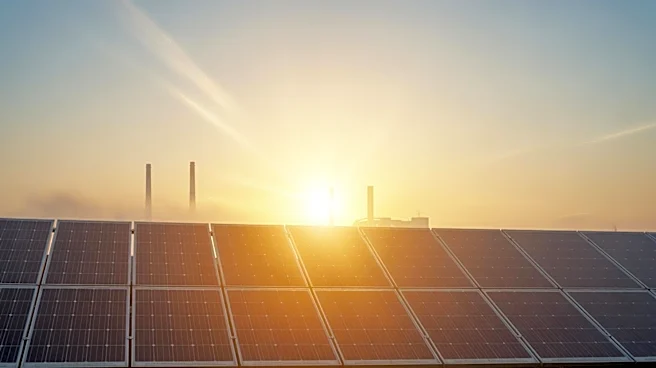
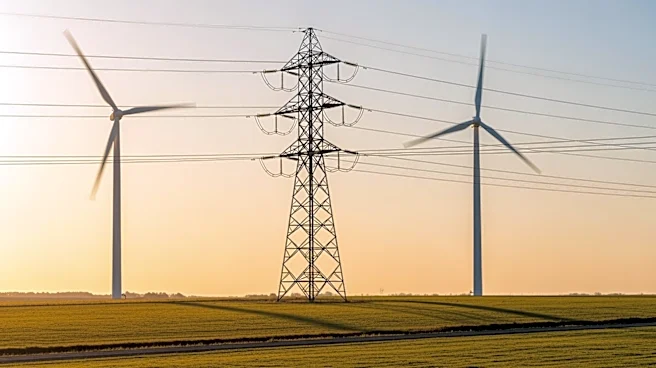
Electricity is increasingly being recognized for its strategic value in decoupling energy sources from services, unlike traditional fossil fuels which are tightly coupled with specific uses. This shift is evident as electricity allows for a more flexible
energy system where sources like solar, wind, and nuclear can be integrated without altering end-use equipment. This flexibility is driving the transition towards cleaner energy systems, as seen in the growing adoption of electric vehicles, heat pumps, and other electric-based technologies.
Why It's Important?
The transition to electricity as a primary energy carrier is crucial for reducing dependency on fossil fuels and mitigating climate change impacts. By enabling a more adaptable energy system, electricity supports the integration of renewable energy sources, thus reducing emissions and enhancing energy security. This shift also promotes technological innovation and economic growth in sectors like transportation, manufacturing, and construction, as they adapt to new energy paradigms. The broader adoption of electricity could lead to significant environmental and economic benefits, positioning it as a cornerstone of future energy strategies.