





What's Happening?
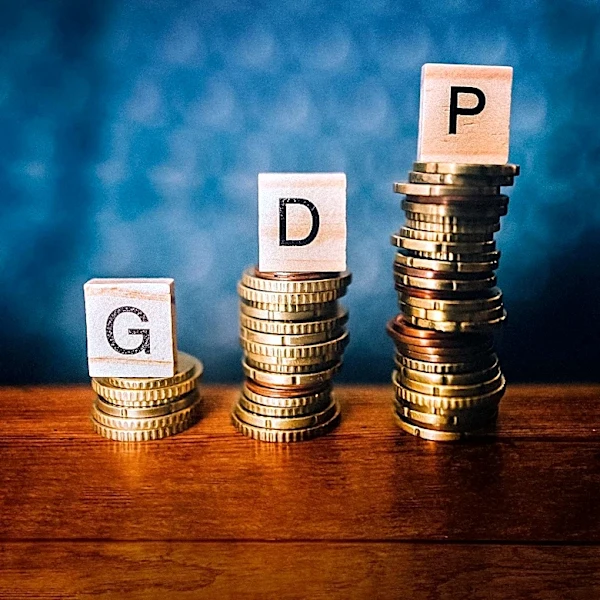
The U.S. economy grew at an annualized rate of 3.4% in the third quarter of 2026, marking its fastest pace in a year. This expansion, from July through September, accelerated from the 2.2% growth observed in the second quarter, according to the Commerce
Department and the U.S. Bureau of Economic Analysis (BEA). The growth surpassed economists' expectations, who had forecasted a 3% increase. Key drivers of this robust performance include strong consumer spending, which rose at a brisk 3.8% clip, and a significant surge in business investment. The latter was notably boosted by an investment boom in artificial intelligence, with spending on information processing equipment surging by 37.4%, software by 9.6%, and research and development by 7.5%. Government expenditure also contributed to the expansion. However, housing investment saw a decline of 3.3% due to high mortgage rates, marking its sixth drop in the last seven quarters. This report represents the first of three estimates for third-quarter GDP growth.
Why It's Important?
This accelerated economic growth signals a resilient U.S. economy, even amidst persistent concerns about inflation and elevated energy prices. The strong consumer spending indicates continued household confidence and purchasing power, which is crucial for sustained economic health. The significant investment in artificial intelligence highlights a structural shift in business priorities, suggesting that companies are increasingly allocating capital towards technological advancements to drive productivity and innovation. This AI boom could lead to long-term economic benefits, fostering new industries and job creation. However, the decline in housing investment due to high mortgage rates points to a sector under pressure, which could impact affordability and broader consumer wealth. The overall positive economic data could influence monetary policy decisions by the Federal Reserve, potentially affecting future interest rate adjustments and the cost of borrowing for businesses and consumers.
What's Next?
The Commerce Department will release two more estimates for third-quarter GDP growth, which may revise the current figures as additional economic data becomes available. The continued strength in consumer spending and business investment, particularly in AI, suggests that these sectors will likely remain key drivers of economic activity in the near term. Policymakers will closely monitor these trends, especially the interplay between economic growth, inflation, and employment figures, to guide future fiscal and monetary policies. The resilience of the economy, despite higher energy prices and elevated borrowing costs, could lead to ongoing debates about the appropriate pace of interest rate adjustments. Businesses may continue to prioritize investments in AI and related technologies, further shaping the technological landscape and potentially influencing labor market demands. The housing sector will likely remain a point of concern, with potential implications for construction, real estate, and related industries.
Beyond the Headlines
The robust economic growth, particularly the surge in AI investment, points to a deeper transformation within the U.S. economy. This technological pivot could lead to significant long-term shifts in labor markets, potentially creating demand for new skills while displacing others. The ethical and societal implications of widespread AI adoption, including data privacy, algorithmic bias, and job automation, will become increasingly prominent. Furthermore, the divergence between strong business investment and declining housing investment highlights a growing disparity in economic performance across sectors, which could have broader societal impacts on wealth distribution and access to homeownership. The economy's resilience in the face of external shocks, such as higher energy prices, also raises questions about its underlying structural strengths and vulnerabilities, particularly regarding supply chain dependencies and geopolitical stability. This period of growth could set the stage for future policy debates on how to manage technological disruption and ensure equitable economic benefits.