



What's Happening?
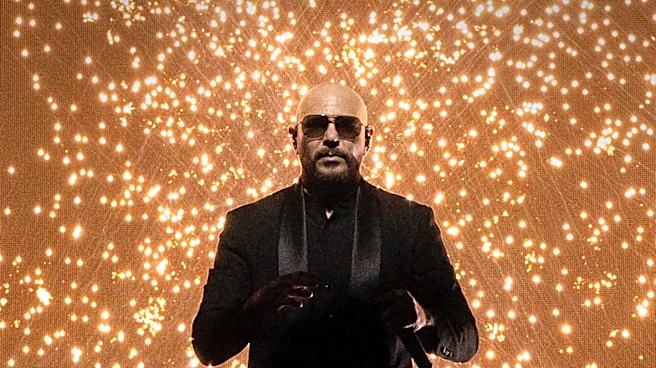
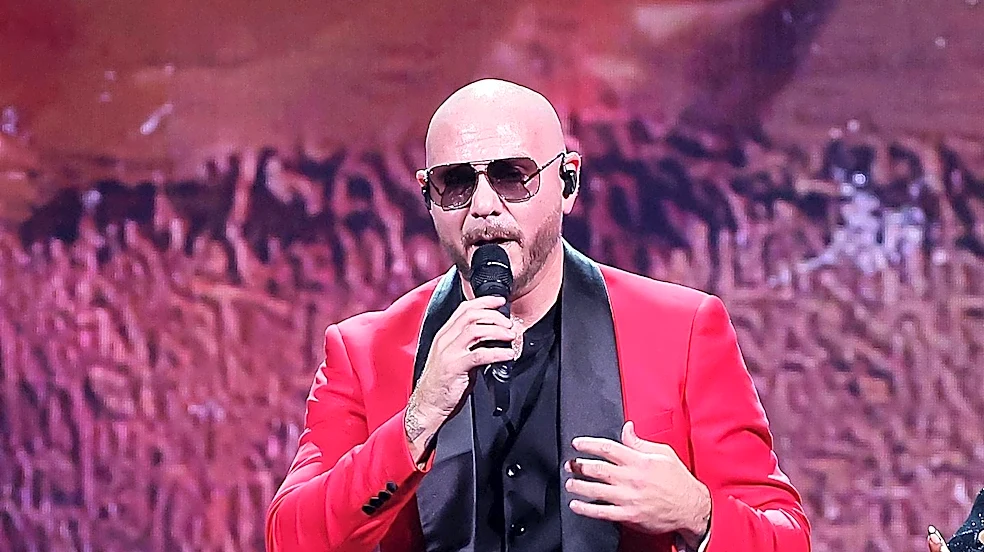
Armando Christian Pérez, widely known as Pitbull, has articulated his reasons for maintaining the privacy of his children, despite his own highly public career as a musician and global brand ambassador. In a recent Billboard interview, Pitbull stated
that he refrains from exposing his children to the public spotlight because they are not yet equipped to handle the intense attention associated with his fame. He emphasized that this decision is a parental one, aimed at allowing his children to choose for themselves how much of their lives they wish to share publicly once they are mature enough to comprehend the implications. Pitbull, who rose to prominence in Miami's hip-hop scene and later achieved international success with dance-pop hits, believes that public exposure, even a simple photo, can introduce his children to a world shaped by his celebrity, potentially complicating their personal lives and relationships.
Why It's Important?
Pitbull's stance on his children's privacy highlights a significant challenge faced by public figures in the U.S. entertainment industry: balancing personal life with professional visibility. His decision underscores the potential psychological and social impacts of celebrity on children, particularly concerning their ability to form genuine relationships and navigate social environments like school. This issue resonates broadly within American society, where the lines between public and private life are increasingly blurred by social media and constant media scrutiny. His perspective offers a valuable commentary on parental responsibility in the digital age, prompting reflection on the ethical considerations of exposing minors to fame. It also sheds light on the pressures and complexities that celebrity families endure, often leading to deliberate choices to shield younger generations from the more intrusive aspects of public life.
What's Next?
Pitbull's continued commitment to his children's privacy suggests that he will likely maintain his current approach, ensuring they remain out of the public eye until they are old enough to make their own informed decisions about public exposure. This could involve continued efforts to shield them from media attention and public events. His comments may also influence other public figures to consider similar strategies for protecting their families, potentially contributing to a broader conversation within the entertainment industry about the rights and well-being of celebrity children. As his children grow older, the challenge will be to support their individual choices while still managing the inherent public interest in a figure of Pitbull's stature. This ongoing balancing act will likely remain a private family matter, consistent with his stated philosophy.
Beyond the Headlines
Beyond the immediate implications for Pitbull's family, his comments touch upon deeper societal questions regarding the nature of fame and its impact on identity. His concern about his children distinguishing between genuine friends and those drawn by his celebrity speaks to the broader issue of authenticity in relationships, a challenge not exclusive to celebrity offspring but amplified by their circumstances. This raises ethical considerations about the commodification of personal lives in the age of social media and reality television. Pitbull's choice to prioritize his children's autonomy in defining their public image also reflects a growing awareness of the long-term psychological effects of early and unsolicited public exposure. His perspective encourages a re-evaluation of how society consumes and interacts with celebrity culture, particularly concerning the privacy and developmental needs of children associated with famous individuals.