









What's Happening?
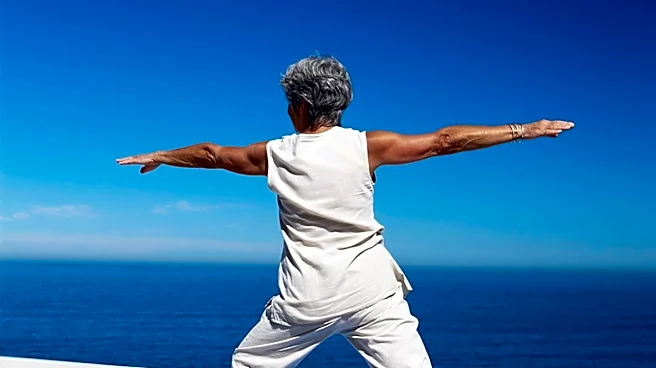
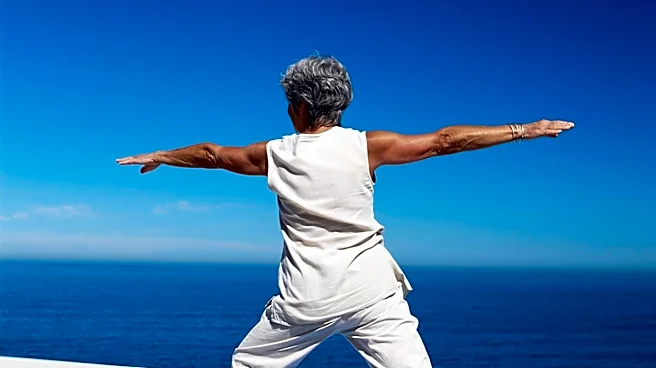
Theresa Moloney, a fitness expert and creator of The Strongher Method, has shared the inspiring workout routine of her 90-year-old aunt, Auntie J. Despite her age, Auntie J maintains an active lifestyle by following a simple yet effective four-move workout routine.
This routine includes 30 squats using a fridge for support, 25 sit-ups, a 30-second plank, and walking 10,000 steps daily. Moloney emphasizes the importance of training for lean muscle and working with one's body to maintain strength and independence as one ages. Auntie J's commitment to her daily exercise routine serves as a testament to the benefits of consistent physical activity, regardless of age.
Why It's Important?
Auntie J's workout routine underscores the significance of maintaining physical activity into older age, which can lead to improved mobility, energy levels, and overall health. As the U.S. population ages, with a growing number of individuals living into their 90s and beyond, promoting fitness among older adults becomes increasingly important. Regular exercise can help reduce the risk of chronic diseases, improve mental health, and enhance quality of life. Auntie J's example may inspire others to adopt similar routines, potentially reducing healthcare costs and improving the well-being of older Americans.
What's Next?
The story of Auntie J could lead to increased interest in fitness programs tailored for older adults. Fitness professionals and healthcare providers might develop more resources and classes focused on safe and effective exercises for seniors. Additionally, there may be a push for public health campaigns to encourage older adults to engage in regular physical activity. As awareness grows, community centers and gyms could expand their offerings to include more senior-friendly fitness options, fostering a culture of health and wellness among the aging population.
Beyond the Headlines
Auntie J's dedication to her workout routine highlights broader societal shifts towards valuing health and fitness at all ages. This trend may influence cultural perceptions of aging, challenging stereotypes that associate old age with frailty and inactivity. As more stories like Auntie J's emerge, there could be a greater emphasis on the capabilities and contributions of older adults, promoting a more inclusive and age-diverse society. Furthermore, this focus on senior fitness could drive innovation in exercise equipment and programs designed specifically for older populations.