





What's Happening?
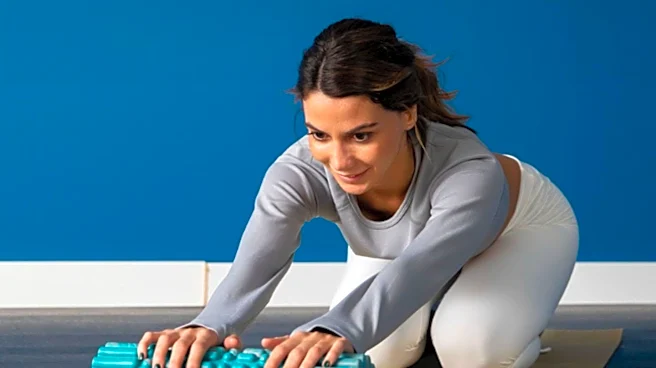
Foam rollers are widely used tools for muscle recovery and self-myofascial release, a technique that applies pressure to release muscle tightness and trigger points. These devices are designed with various features, including textured surfaces that aim
to replicate the sensation and effectiveness of professional massages. Constructed from durable materials such as high-density foam and EVA, foam rollers are built for longevity and user comfort. Their primary function is to improve circulation, prevent muscle injuries, and aid in the recovery process. Athletes and individuals alike incorporate foam rolling into their routines both before and after workouts to prepare muscles for activity and facilitate post-exercise recovery. The versatility of foam rollers extends to specialized designs tailored for different body parts, such as quad foam rollers specifically targeting the front of the thighs. Some comprehensive sets, like the Krightlink 5-in-1 Foam Roller Set, offer multiple tools including a high-density foam roller, a massage roller stick, a massage ball, and a resistance band, providing a holistic approach to muscle care.
Why It's Important?
The widespread adoption of foam rollers signifies a growing emphasis on self-care and injury prevention within the fitness and wellness industries in the U.S. By offering an accessible and cost-effective method for myofascial release, these tools empower individuals to manage muscle pain and improve flexibility independently. This trend has significant implications for the sports and fitness sectors, as it can contribute to reduced recovery times for athletes and a lower incidence of exercise-related injuries among the general population. For businesses, the demand for diverse foam roller products, including specialized designs and multi-tool sets, presents a robust market opportunity. Manufacturers and retailers stand to gain from the continued interest in personal wellness equipment. Furthermore, the integration of foam rolling into pre- and post-workout routines highlights a shift towards more informed and proactive approaches to physical health, potentially leading to a healthier and more active populace, which can indirectly benefit healthcare systems by reducing the need for more intensive interventions for muscle-related issues.
What's Next?
The market for foam rollers is likely to continue evolving with innovations in design, materials, and specialized applications. Consumers can anticipate the introduction of more ergonomically designed rollers, potentially incorporating smart technology for personalized feedback on pressure and technique. The integration of foam rolling into broader wellness programs, including physical therapy and corporate wellness initiatives, is also a probable next step. As awareness of self-myofascial release grows, educational resources and guided programs on effective foam roller usage will become more prevalent, ensuring users maximize the benefits and minimize the risk of improper application. Additionally, the development of sustainable and eco-friendly foam roller materials could become a significant trend, aligning with broader consumer preferences for environmentally conscious products. The continued expansion of online retail platforms will also make these tools more accessible to a wider audience across the U.S.
Beyond the Headlines
Beyond their immediate physical benefits, foam rollers represent a broader cultural shift towards personal agency in health and wellness. The ability to perform self-myofascial release at home democratizes access to techniques previously associated with professional massage therapy, making advanced muscle care more attainable for the average individual. This trend underscores a growing consumer desire for tools that offer control over one's physical well-being, fostering a more proactive and preventative approach to health. Ethically, the accessibility of these tools raises questions about the balance between self-treatment and professional medical advice, emphasizing the importance of proper education and guidance to prevent misuse or over-reliance. Culturally, the widespread use of foam rollers reflects a society increasingly invested in optimizing physical performance and mitigating the effects of sedentary lifestyles, highlighting a collective pursuit of sustained physical vitality and comfort.