





What's Happening?
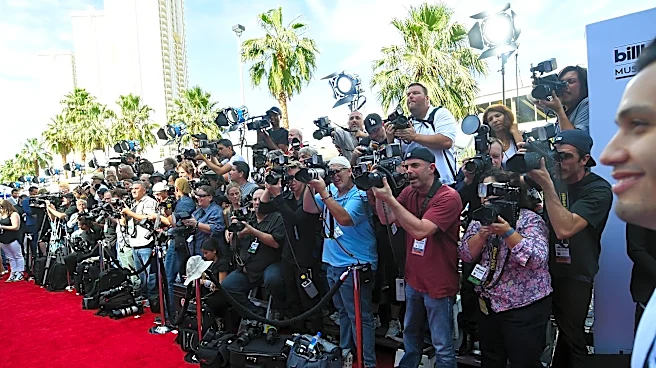
Country music artist Sammy Kershaw reflected on his experience at the 60th CMA Awards, particularly addressing an initial denial to walk the red carpet. Kershaw, 68, shared a statement on Instagram on November 19, expressing his gratitude for attending
the event with his wife, Mendy, and celebrating over 50 years in country music. He thanked the CMA for eventually welcoming them and acknowledged the support from fans, friends, and fellow artists. Earlier in the month, Kershaw had publicly stated that the Country Music Association denied his request for red carpet access, which he found deeply disappointing. The CMA later issued a statement apologizing for any exclusion and confirmed they were in communication with Kershaw's team. Following a "sincere and meaningful private conversation with CMA leadership," Kershaw confirmed he would indeed walk the red carpet. He discussed the emotional impact of the initial denial during an episode of The BobbyCast with iHeartRadio’s Bobby Bones, stating it "broke his heart" after being promised access for 10 months.
Why It's Important?
This incident highlights the ongoing tension between established country music legends and the Country Music Association regarding recognition and access at major industry events. For artists like Sammy Kershaw, who have dedicated decades to the genre, red carpet appearances are not merely ceremonial but represent a significant acknowledgment of their contributions and legacy. The initial denial and subsequent reversal by the CMA underscore the power dynamics within the industry and the importance of public and peer support in influencing organizational decisions. The controversy also brings to light the potential for public relations missteps by large organizations and the necessity of clear communication and respectful engagement with all stakeholders, including veteran artists. The resolution, prompted by a "sincere and meaningful private conversation," suggests that direct dialogue can effectively address grievances and maintain positive relationships within the country music community, impacting how other artists perceive their standing and treatment by industry bodies.
What's Next?
Following the resolution of this specific red carpet controversy, the Country Music Association may face increased scrutiny regarding its policies for artist inclusion and recognition at future events. Other veteran artists might feel more empowered to voice concerns if they perceive similar slights. The CMA will likely review its red carpet access protocols to prevent similar public relations issues, potentially leading to more transparent and equitable guidelines for all artists, regardless of their current chart performance or mainstream visibility. This incident could also spark broader discussions within the country music industry about how it honors its past while promoting its future. For Sammy Kershaw, his public reflection on the event, including his appearance on The BobbyCast, serves to reinforce his standing and connect with his fanbase, potentially leading to renewed interest in his work and legacy.
Beyond the Headlines
The Sammy Kershaw red carpet incident transcends a simple logistical issue, touching upon deeper themes of respect, legacy, and generational shifts within the entertainment industry. It raises questions about how institutions balance the promotion of new talent with the honoring of those who built the foundation of the genre. The emotional impact on Kershaw, as he described his heartbreak over the denial, underscores the personal significance of such public acknowledgments for artists who have invested their lives in their craft. This event could serve as a catalyst for a broader conversation about the value placed on experience and history in a rapidly evolving music landscape. It also highlights the role of media platforms, like iHeartRadio's The BobbyCast, in providing a forum for artists to share their perspectives and influence public opinion, ultimately contributing to a more nuanced understanding of industry dynamics and the human element behind the headlines.