




What's Happening?
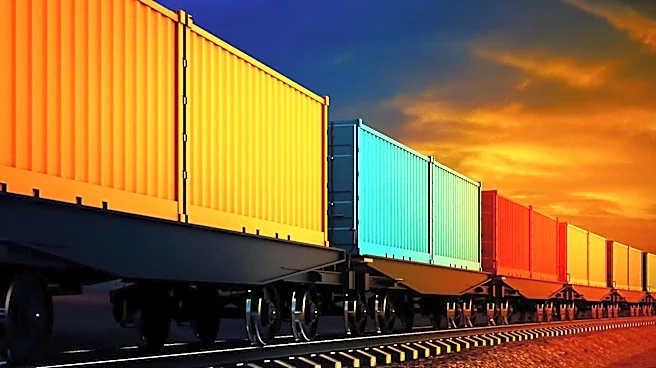
Rail transportation is a vital component of North American freight logistics, providing extensive coverage and efficiency through intermodal transportation. This system integrates various stages, including drayage at the origin and destination, rail linehaul
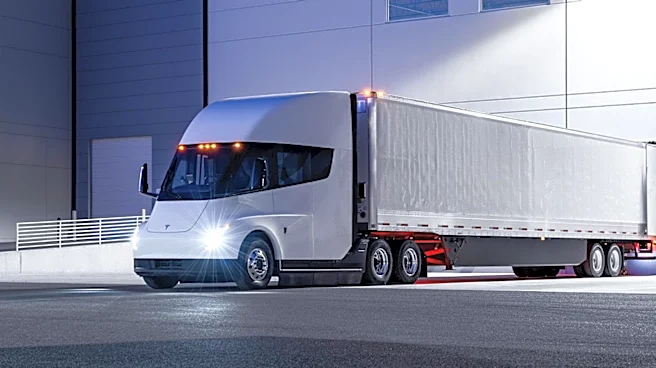
between terminals, customs processing, terminal recovery, and final delivery. The performance of intermodal freight is dependent on the entire chain, encompassing equipment availability, pickup timing, ramp reservations, terminal cut-offs, rail routing, interchange, destination availability, and final-delivery capacity. HMA Logic utilizes these inputs to determine the most operationally supportable multimodal structure, whether it's ramp-to-ramp, door-to-door intermodal, port-to-inland rail, or transload options. This assessment involves comparing rail and intermodal structures against over-the-road truck options, considering factors such as shipment distance, volume, weight, required delivery window, cargo sensitivity, and total delivered cost.
Why It's Important?
The reliance on rail and intermodal transportation for North American freight is crucial for the efficiency and cost-effectiveness of supply chains across various industries. By combining the strengths of different transportation modes, businesses can optimize their logistics, reduce shipping costs, and improve delivery times, especially for long-haul movements. This integrated approach helps alleviate road congestion and lowers carbon emissions, contributing to environmental sustainability goals. The detailed evaluation process, which considers numerous operational factors and cost comparisons, ensures that businesses select the most suitable and efficient transportation methods for their specific needs. This optimization directly impacts the competitiveness of U.S. industries by enabling faster and more reliable movement of goods, supporting economic growth and trade.
What's Next?
The future of North American rail and intermodal transportation will likely see continued advancements in technology and infrastructure to further enhance efficiency and reliability. Investments in intelligent rail transportation systems, such as data-driven frameworks for local train rescheduling, are expected to minimize disruptions and improve punctuality. The industry will also likely focus on expanding capacity and improving intermodal facilities to meet growing freight demands. Furthermore, there will be an ongoing emphasis on sustainability, with efforts to reduce the environmental footprint of rail operations through electrification and digitalization solutions. These developments will aim to create a more resilient and responsive freight network, capable of adapting to evolving market demands and contributing to a more sustainable logistics ecosystem.
Beyond the Headlines
The strategic importance of rail and intermodal transportation extends beyond mere logistics; it underpins the economic fabric of North America. The efficiency of this system directly influences the cost of goods, consumer prices, and the competitiveness of U.S. manufacturers and agricultural producers in global markets. Moreover, the continuous drive for technological innovation in rail, such as advanced tracking and automation, has broader implications for infrastructure development and job creation in related sectors. The shift towards more sustainable rail transport also reflects a growing societal and governmental commitment to environmental stewardship, potentially influencing policy decisions related to infrastructure funding and regulatory frameworks. The long-term health and modernization of this sector are therefore critical for national economic security and environmental objectives.